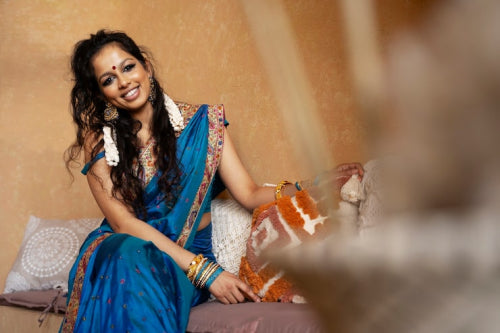
The Shift From Occasion Wear to Everyday Handcrafted Clothing
Quick Listen:
In recent years, a profound transformation has reshaped wardrobes, especially across India and increasingly worldwide: garments born of ancient handcraft traditions once strictly reserved for weddings, festivals, and milestones are now finding their place in routine daily life. Intricate handloom sarees, embroidered kurtas, and block-printed ensembles, long categorized as occasion wear, now grace casual outings, workplaces, and everyday errands, often styled with contemporary ease alongside jeans, blazers, or sneakers. This evolution underscores a broader revaluation of craftsmanship, durability, and ethical production in an era dominated by fast fashion's disposability.
Platforms such as IndieHaat, which sources authentic handmade Indian clothing directly from artisans, exemplify this movement by offering versatile pieces in natural fabrics like cotton, linen, and tussar silk items designed for both cultural resonance and practical, repeated wear. Driven by rising environmental awareness and a desire for meaningful possessions, consumers are embracing handcrafted apparel as sustainable, story-rich alternatives that transcend special-occasion boundaries.
Fast fashion erodes cultural heritage, sidelining artisans and reducing traditions to trends. At IndieHaat, we champion India's craftspeople with handcrafted sarees, apparel, décor, and skincare rooted in authenticity. Each piece embodies skill and ethical care. Support artisans and preserve India's timeless legacy Shop Now!
The Historical Divide Between Occasion and Daily Wear
India's rich textile heritage has long maintained a clear distinction. Everyday attire typically featured lightweight, breathable cotton handlooms regional weaves such as Kota Doria, Mangalagiri, or Tant suited to humid climates and constant use. In contrast, luxurious silks, heavily embroidered Banarasi brocades, or zari-laden pieces emerged primarily for ceremonies, their time-intensive creation and precious materials warranting preservation for significant moments.
Fast fashion's rise disrupted this equilibrium, flooding markets with inexpensive synthetics that prioritized volume over longevity. Yet growing fatigue with disposable clothing coupled with mounting landfill waste and ecological harm has prompted a revival of handcrafted garments, repositioned not as rarities but as functional, stylish staples for regular rotation.
Key Forces Fueling the Everyday Adoption
Multiple converging trends explain this migration to daily wear. Sustainability stands paramount: the fashion industry's environmental footprint has galvanized demand for lower-impact alternatives. Handcrafted items, frequently produced with natural fibers, plant-based dyes, and minimal mechanization, align seamlessly with eco-conscious priorities.
Shifting lifestyles also play a role. Modern routines demand adaptable wardrobes that move fluidly from home offices to social gatherings without constant changes. Artisans and curators have adapted accordingly, introducing subtler embellishments, relaxed silhouettes, and lighter constructions that preserve traditional techniques while enhancing everyday practicality. Breathable fabrics like slub cotton or linen, ideal for India's varied climates, further ease this integration.
Comfort Meets Cultural Heritage
At the core lies superior comfort. Unlike synthetic blends that retain heat and moisture, handloom textiles offer natural thermoregulation and softness that improves with wear. Subtle hand-block prints or delicate kantha stitching add visual interest without sacrificing ease, making these pieces feel lived-in from day one.
Market Momentum and Verified Growth Indicators
The broader handicrafts sector, encompassing textiles and apparel, reflects robust expansion amid this shift. According to industry analysis, the global handicrafts market reached USD 906.8 billion in 2024 and is projected to grow to USD 1.94 trillion by 2033 at a CAGR of 8.83%, propelled by demand for unique handmade items, e-commerce accessibility, sustainability emphasis, and supportive policies.
In India, where handloom and handicraft traditions thrive, related markets show parallel vitality. Government initiatives and rising international interest further bolster artisan communities, enabling steadier year-round production of versatile designs rather than seasonal festival spikes.
The global gifts, novelty, and souvenir market size was valued at USD 13.79 billion in 2024 and is expected to reach from USD 14.28 billion in 2025 to USD 19.40 billion in 2033, growing at a CAGR of 3.90% over the forecast period(2025-2033). A gift is an item given without any expectation of payment; it's a present. A novelty item is an object specifically designed to serve no practical purpose and is sold for its uniqueness, humor, or simply as something new. A souvenir is something kept as a reminder.
Adaptations by Artisans and Platforms
Artisan clusters in regions like Bhagalpur, Chanderi, and Maheshwar are responding creatively. Weavers produce finer, lighter weaves for fluid draping; embroiderers apply restrained motifs that complement modern tailoring. Platforms curate these innovations, presenting handwoven kurtas, co-ord sets, and multipurpose dupattas as foundational wardrobe elements rather than occasional statements.
Such adaptations sustain generational skills while opening consistent livelihoods. A tussar silk kurta, once paired exclusively with ceremonial finery, now layers effortlessly over trousers for professional settings or stands alone for relaxed weekends heritage craftsmanship meeting contemporary utility.
The Evolving Consumer Perspective
Contemporary buyers increasingly favor intentionality over accumulation. Handcrafted garments encourage this philosophy: visible weave irregularities and human touch lend authenticity and character, while superior construction rewards proper care through extended lifespan. Laundering becomes mindful; minor repairs extend legacy instead of prompting replacement.
- Versatility: A single handloom saree transforms into skirts, blouses, or draped dresses across occasions.
- Narrative depth: Awareness of the artisan's community or inherited technique infuses emotional connection.
- Durability: Superior materials and methods typically outlast mass-produced counterparts.
- Ethical impact: Purchasing supports rural makers directly, fostering meaningful economic empowerment.
Younger demographics, blending global aesthetics with cultural roots, amplify this through social media, where authentic handcrafted looks earn appreciation amid homogenized trends.
Persistent Barriers and Emerging Solutions
Challenges linger. Higher pricing reflecting genuine labor and materials can deter budget-conscious shoppers. Geographic access varies, though online marketplaces increasingly bridge urban-rural divides. Maintenance needs (gentle cycles, shade drying) require adaptation from those habituated to synthetic convenience.
Nevertheless, growing education around value, longevity, and impact is shifting perceptions. As consumers recognize investment in quality yields both personal and planetary returns, acceptance widens.
A Future Defined by Conscious Choices
This progression from occasion-exclusive to everyday handcrafted clothing marks a significant cultural pivot. It revives textiles as dynamic traditions rather than static heirlooms. In an age of overproduction, selecting artisan-made pieces constitutes deliberate resistance to excess and quiet affirmation of enduring artistry.
When you next choose a lightweight block-printed kurta or breathable cotton saree for an ordinary day, acknowledge the subtle yet powerful change: heritage no longer waits for celebrations. It weaves steadily into the rhythm of daily existence, garment by intentional garment.
Frequently Asked Questions
Why is handcrafted clothing becoming popular for everyday wear instead of just special occasions?
The shift is driven by growing environmental awareness, sustainability concerns, and fatigue with fast fashion's disposability. Handcrafted garments made from natural fibers like cotton, linen, and tussar silk offer superior comfort, durability, and lower environmental impact compared to synthetic alternatives. Additionally, artisans are now creating lighter, more versatile designs with subtle embellishments that work seamlessly in modern lifestyles from home offices to casual outings while still preserving traditional craftsmanship.
What are the main benefits of choosing handloom sarees and handcrafted kurtas for daily wear?
Handcrafted clothing offers multiple advantages including exceptional comfort through natural thermoregulation, superior durability that outlasts mass-produced garments, and remarkable versatility (a single handloom saree can be styled multiple ways). These pieces also carry narrative depth, connecting wearers to artisan communities and inherited techniques, while purchases directly support rural makers and foster economic empowerment. The natural fabrics breathe better than synthetics and actually improve with wear and proper care.
How is the handcrafted clothing market growing, and what does this mean for artisans?
The global handicrafts market, which includes handcrafted textiles and apparel, reached USD 906.8 billion in 2024 and is projected to grow to USD 1.94 trillion by 2033 at a CAGR of 8.83%. This expansion enables artisan clusters in regions like Bhagalpur, Chanderi, and Maheshwar to maintain steadier year-round production instead of relying on seasonal festival spikes. The growth is fueled by e-commerce accessibility, sustainability emphasis, and government initiatives that support traditional weaving communities while allowing them to innovate with contemporary designs for everyday use.
Disclaimer: The above helpful resources content contains personal opinions and experiences. The information provided is for general knowledge and does not constitute professional advice.
You may also be interested in: Natural Fabrics for Clothing: A Buyers Guide - Indiehaat.com
Fast fashion erodes cultural heritage, sidelining artisans and reducing traditions to trends. At IndieHaat, we champion India's craftspeople with handcrafted sarees, apparel, décor, and skincare rooted in authenticity. Each piece embodies skill and ethical care. Support artisans and preserve India's timeless legacy Shop Now!
Powered by flareAI.co