
How IndieHaat Ensures Authenticity in Every Linen Saree
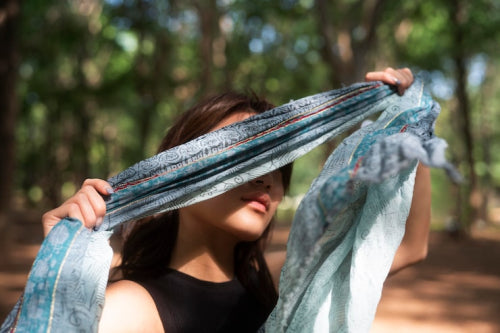
Picture a weaver in a small Indian village, hands steady on a wooden loom, threading linen into patterns that carry centuries of tradition. Now imagine that same saree, vibrant and pure, arriving at your doorstep halfway across the world. In an era where fast fashion churns out synthetic imitations, IndieHaat, a Bangalore-based e-commerce brand, stands as a guardian of authenticity, ensuring every linen saree tells a story of craftsmanship and heritage. This isn't just about fabric it's about trust, culture, and a commitment to the artisans who keep India's handwoven legacy alive.
Linen, Loom, and Legacy
The global demand for handcrafted sarees is booming. The Indian saree market, valued at $5.76 billion in 2024, is on track to reach $10.33 billion by 2033, growing at a 6.7% annual rate, according to a report by IMARC Group. This growth is driven by a rising preference for sustainable handlooms, bolstered by government initiatives like GI tags and the Handloom Mark, which certify authenticity and support weaver communities. IndieHaat taps into this trend, serving customers in India, the US, UK, Singapore, Australia, and the UAE with sarees that embody purity and craftsmanship. Their secret? A meticulous process that ensures every piece is handwoven, ethically sourced, and true to its cultural roots.
Authenticity, for IndieHaat, goes beyond marketing jargon. It's a promise woven into every thread, a commitment to delivering not just a saree but a piece of India's soul. From Tussar to linen, their curated collections on platforms like Amazon and ONDC reflect a dedication to quality that sets them apart in a crowded market.
The Ethical Fashion Surge: A Global Movement
Across the globe, shoppers are rethinking their choices. The global handloom sarees market, worth $3.72 billion in 2024, is projected to grow to $7.29 billion by 2032, with a 8.99% CAGR, driven largely by Asia Pacific's 68.82% market share. Consumers are gravitating toward natural fabrics like linen, silk, and cotton, drawn by their sustainability and cultural significance. In India, this shift is amplified by e-commerce innovations think AI-driven customization and virtual try-ons making handlooms more accessible. Meanwhile, international markets like the US and UK see Indian sarees as a blend of heritage and eco-conscious style.
IndieHaat capitalizes on this wave, curating sarees that resonate with conscious consumers. Their Instagram presence, with accounts like anilarubyraj and svishala74, showcases vibrant weaves that appeal to global tastes. By partnering with platforms like Amazon and ONDC, they've made these treasures available worldwide, but their focus remains on quality over quantity. Unlike mass retailers, IndieHaat ensures every saree is crafted from pure fabrics, free from the synthetic blends that flood the market.
From Artisan to Customer: The IndieHaat Process
IndieHaat's journey begins at the source the artisans. Working directly with weavers and cooperatives across India, they source sarees that embody regional traditions. A linen saree from West Bengal might feature subtle, handwoven motifs, while a Tussar saree from Bihar shimmers with natural silk. Each piece undergoes a rigorous selection process, vetted for fabric purity, weave quality, and cultural authenticity. “We don't just curate products,” says an IndieHaat spokesperson. “We preserve the stories behind them.”
This hands-on approach ensures that every saree meets exacting standards. Unlike mass-produced alternatives, IndieHaat's collections available on Amazon and ONDC use only natural fabrics: linen, silk, and cotton. These materials not only feel luxurious but also last longer, offering a sustainable alternative to synthetic blends. By spotlighting artisans on platforms like Instagram and YouTube, IndieHaat bridges the gap between creator and consumer, making each purchase a meaningful connection to India's heritage.
Overcoming Obstacles: The Authenticity Challenge
The handloom industry isn't without its struggles. Mass-produced replicas and diluted blends often masquerade as authentic sarees, eroding consumer trust. Buyers also face practical concerns: the higher cost of handcrafted sarees, the inability to touch fabrics before buying online, and doubts about whether a “linen” saree is truly linen. These objections high pricing, trust deficits, and lack of tactile experience are real hurdles in the e-commerce space.
IndieHaat tackles these with transparency. Their social media channels, including Instagram accounts like drminimalhotra and varshaoak, feature detailed videos showcasing weave textures and artisan techniques. Customer testimonials highlight the joy of owning a saree that's both beautiful and ethically made. By sharing the stories of the weavers behind each piece, IndieHaat builds trust, turning skeptics into loyal customers. Their commitment to pure fabrics also addresses durability concerns, ensuring every saree is as long-lasting as it is lovely.
Trust as a Business Strategy
In a market projected to reach $18.6 billion by 2033, growing at an 8.54% CAGR according to Spherical Insights, IndieHaat's focus on authenticity is a competitive edge. By sourcing directly from artisans, they not only ensure quality but also foster loyalty. Customers who buy from IndieHaat aren't just purchasing a saree they're investing in a story, a community, and a sustainable future. This translates to lower return rates, higher repeat purchases, and a growing base of brand advocates.
Their marketplace strategy balances scale with integrity. While Amazon and ONDC expand their reach, IndieHaat maintains strict quality controls, ensuring that growth doesn't compromise craftsmanship. Social media amplifies this mission, with vibrant posts on Instagram, Facebook, and YouTube drawing in global audiences. By aligning with the broader handloom products market, valued at $8.32 billion in 2024 and expected to hit $16.62 billion by 2032, IndieHaat positions itself as a leader in ethical fashion.
A Legacy Woven in Truth
IndieHaat isn't just selling sarees they're safeguarding a legacy. As the global handloom market surges, their commitment to authenticity sets a standard for the industry. Plans to expand artisan partnerships, enhance digital touchpoints, and pursue textile certifications signal a brand poised for growth without losing its soul. In a world where “authentic” is often just a marketing ploy, IndieHaat proves it's a way of life.
For conscious consumers in India, the US, or beyond, IndieHaat offers more than a garment. It's a connection to artisans, to heritage, to a future where craftsmanship thrives. As you drape a linen saree from their collection, you're not just wearing fabric. You're wearing a promise one that's been woven with care, verified by trust, and delivered with pride.
Frequently Asked Questions
How does IndieHaat guarantee that their linen sarees are authentic and handwoven?
IndieHaat ensures authenticity by working directly with artisans and cooperatives across India, sourcing sarees that undergo rigorous selection for fabric purity, weave quality, and cultural authenticity. Each piece is vetted to confirm it's made from pure natural fabrics like linen, silk, and cotton, without synthetic blends. They showcase the weaving process and artisan techniques through detailed social media content, providing transparency that builds trust with customers worldwide.
What makes IndieHaat's linen sarees different from mass-produced alternatives?
Unlike mass-produced replicas that often use synthetic blends, IndieHaat's linen sarees are crafted exclusively from pure natural fabrics by traditional artisans. Each saree tells a story of regional craftsmanship, featuring authentic handwoven motifs and techniques passed down through generations. This commitment to quality over quantity ensures durability and connects customers to India's heritage, making each purchase a meaningful investment in sustainable fashion.
Why are authentic handwoven linen sarees more expensive than regular sarees?
Authentic handwoven linen sarees cost more because they're crafted by skilled artisans using traditional techniques and pure natural fabrics, which requires significantly more time and expertise than machine production. The higher price reflects the quality craftsmanship, durability of natural materials, and ethical sourcing that supports weaver communities. IndieHaat addresses this by building trust through transparency, showing customers the artisan stories and techniques behind each piece, making the investment worthwhile for conscious consumers.
Disclaimer: The above helpful resources content contains personal opinions and experiences. The information provided is for general knowledge and does not constitute professional advice.
You may also be interested in: Unleash Your Personal Style: Authentic Fashion at Indiehaat
Fast fashion erodes cultural heritage, sidelining artisans and reducing traditions to trends. At IndieHaat, we champion India's craftspeople with handcrafted sarees, apparel, décor, and skincare rooted in authenticity. Each piece embodies skill and ethical care. Support artisans and preserve India's timeless legacy Shop Now!
Powered by flareAI.co