How IndieHaat Is Reviving Traditional Handicrafts With Modern E-Commerce

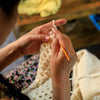
In a dusty workshop in rural Odisha, where the air hums with the rhythmic clack of looms and the scent of fresh dyes, artisans like Raghunath Sethi weave stories into silk threads. For generations, these craftsmen have preserved India's rich tapestry of traditional handicrafts, but modern challenges threaten to unravel it all. Enter platforms like IndieHaat, which are breathing new life into this ancient art form by blending heritage with digital savvy. As we explore How IndieHaat Is Reviving Traditional Handicrafts With Modern E-Commerce, it's clear that this isn't just about selling scarves or sculptures it's about sustaining livelihoods in an era of fast fashion and fleeting trends.
Fast fashion erodes cultural heritage, sidelining artisans and reducing traditions to trends. At IndieHaat, we champion India's craftspeople with handcrafted sarees, apparel, décor, and skincare rooted in authenticity. Each piece embodies skill and ethical care. Support artisans and preserve India's timeless legacy Shop Now!
The Booming Yet Fragile World of Indian Handicrafts
India's handicrafts market is no small affair. Valued at a robust USD 4,565.0 million in 2024, it's on track to nearly double, reaching USD 8,198.5 million by 2033. That's a compound annual growth rate of 6.39% from 2025 onward, fueled by factors like rising disposable incomes and a surge in demand for ethnic, handmade décor. Tourists flock to markets in search of authentic pieces, while eco-conscious consumers worldwide turn to sustainable options over mass-produced goods. Government initiatives, including export promotion schemes, add momentum, as does the explosion of e-commerce that makes these treasures accessible beyond local bazaars.
Yet, this growth masks underlying vulnerabilities. Artisans, often working in clusters across North, South, East, and West India, produce everything from woodware and artmetal ware to handprinted textiles, embroidered goods, zari items, imitation jewelry, sculptures, pottery, glass wares, attars, and agarbattis. These products reach buyers through mass retailers, departmental stores, independent shops, specialty outlets, and increasingly, online stores. But competition from cheaper, machine-made alternatives has squeezed margins, and until recent policy shifts, taxes added another layer of burden.
Take the recent GST rate cut, for instance a move that's sparked optimism among weavers and craftspeople in Odisha. The central government slashed rates from 12% to 5% on a swath of traditional items, including handbags, purses, wooden frames, carved idols, copper and brass artifacts, terracotta, bamboo furniture, hand-embroidered shawls, pottery, toys, and even footwear priced up to Rs 2,500. For folks like Sethi, a weaver from Cuttack's Nuapatna famed for ikat saris, this means products become more affordable, potentially boosting sales that had lagged due to high costs passed on to customers.
Basanti Behera, a terracotta artisan from Raghurajpur in Puri district, echoes this sentiment. Festival and wedding seasons are peak times for her craft, and with lower taxes, she anticipates a spike in demand. Traders like Sishir Kumar Prusty point out the edge it gives exporters against imported knockoffs, while handloom entrepreneur Sanjukta Mishra from Bhubaneswar calls for more support in areas like e-commerce training and design innovation to fully capitalize on the change. It's a reminder that while the market expands, the human element artisan's skills and stories remains the heart of it all.
IndieHaat's Unique Spin on Tradition
Amid this landscape, IndieHaat stands out by directly sourcing handmade items from artisans across India. No middlemen, just pure connections that ensure fair pay and preserve authenticity. Their catalog brims with unique designs, all crafted from genuine, pure fabrics like linen, silk, and cotton materials that speak to quality and sustainability. It's not about churning out volumes; it's about curating pieces that tell a story, from intricate embroidery to sculptural pottery that could grace any modern home.
What sets IndieHaat apart is its commitment to these differentiators. By focusing on artisan-sourced goods, they tackle the erosion of traditional skills head-on. Imagine a silk scarf, hand-dyed with natural pigments, or a linen blouse with patterns inspired by ancient motifs these aren't factory replicas but one-of-a-kind creations. This approach resonates in a market hungry for the real deal, especially as global tastes shift toward ethical consumerism.
Distribution plays a key role too. While traditional channels like specialty stores endure, IndieHaat leverages online platforms to reach a broader audience. Their website serves as a virtual marketplace, where buyers can browse collections that span woodware to attars, all with detailed descriptions that highlight the artisan's journey. It's e-commerce with a soul, making distant crafts feel intimate.
Addressing the Hurdles: From Price to Trust
Of course, no revival story is without obstacles. Potential buyers often balk at higher prices, seeing them as a barrier compared to budget alternatives. But IndieHaat counters this by emphasizing value the longevity of pure fabrics, the exclusivity of unique designs, and the direct support to artisans. It's an investment in culture, not just a purchase. And with the GST reduction easing costs, these items edge closer to affordability without compromising quality.
Trust can be another sticking point in online shopping for handicrafts. How do you know it's authentic? IndieHaat builds credibility through transparency: stories of sourcing, artisan profiles, and certifications for materials. They feature collaborations with influencers and customers on social media, like posts from profiles such as anilarubyraj or ani_lakshmi on Instagram, showcasing real people wearing or using the products. This social proof helps bridge the gap, turning skeptics into loyal fans.
Then there's the tactile issue no chance to touch and feel before buying. IndieHaat mitigates this with high-resolution images, zoom features, and detailed texture descriptions. They offer generous return policies and virtual try-ons for apparel, drawing from best practices in modern e-commerce. Videos on their YouTube channel demonstrate the crafting process, letting viewers see the weave of cotton threads or the sheen of silk up close. On Facebook and Instagram, live sessions with artisans answer questions in real-time, fostering a sense of connection that mimics an in-person market stroll.
These strategies aren't just bandaids; they're integral to IndieHaat's model. By addressing objections upfront, they convert browsers into buyers, expanding their reach beyond India's borders to primary target regions where demand for ethnic goods is rising.
Blending Old Craft with New Tech
At its core, IndieHaat's revival hinges on marrying tradition with technology. E-commerce tools like seamless payment gateways and AI-driven recommendations personalize the shopping experience, suggesting a zari-embellished scarf based on past browses. Logistics partnerships ensure timely delivery, even to remote areas, while data analytics help artisans understand market trends perhaps shifting from bold patterns to subtle ones for urban tastes.
Social media amplifies this. IndieHaat's presence on Instagram, Facebook, and YouTube isn't passive; it's a vibrant ecosystem. Reels showcase behind-the-scenes glimpses, like an artisan shaping clay into pottery, while stories highlight limited-edition drops. Collaborations with users like svishala74 or drminimalhotra add authenticity, as they share unfiltered reviews and styling tips. This digital storytelling not only drives traffic but also educates audiences on the cultural significance of each piece.
Looking ahead, as the market grows, IndieHaat positions itself for expansion. With projections pointing to billions in value, platforms like this could lead the charge, especially in segments like handprinted textiles and embroidered goods. Government support, combined with e-commerce's reach, opens doors to international markets, where sustainable handicrafts fetch premium prices.
A Tapestry for Tomorrow
As the sun sets over those Odisha workshops, the looms keep weaving not just fabric, but futures. IndieHaat exemplifies how innovation can safeguard heritage, turning potential decline into dynamic growth. In a world racing toward uniformity, these platforms remind us of the beauty in handmade imperfections. For artisans, it's empowerment; for buyers, it's discovery. And for India's handicrafts, it's a renaissance, one click at a time. Whether you're seeking a silk stole or a terracotta vase, IndieHaat invites you to be part of this enduring story where tradition meets tomorrow with open arms.
Frequently Asked Questions
How is IndieHaat helping traditional artisans compete with mass-produced handicrafts?
IndieHaat directly sources handmade items from artisans across India, eliminating middlemen to ensure fair compensation and preserve authenticity. The platform leverages modern e-commerce tools like AI-driven recommendations, seamless payment systems, and social media storytelling to reach broader audiences while maintaining the cultural integrity of each piece. By combining digital accessibility with transparent sourcing practices and artisan profiles, IndieHaat makes traditional handicrafts competitive in both domestic and international markets.
What impact did the recent GST rate cut have on Indian handicraft prices?
The Indian government reduced GST rates from 12% to 5% on traditional handicrafts including handbags, wooden carvings, pottery, hand-embroidered textiles, and bamboo furniture. This tax reduction makes handcrafted products more affordable for consumers while maintaining artisan income levels, helping traditional craftspeople like weavers in Odisha compete more effectively against cheaper, machine-made alternatives. The policy change is expected to boost sales particularly during festival and wedding seasons when demand for authentic handicrafts peaks.
Why are Indian handicrafts more expensive than factory-made alternatives?
Traditional Indian handicrafts command higher prices because they're one-of-a-kind creations made from genuine, pure fabrics like linen, silk, and cotton, using time-honored techniques passed down through generations. Each piece represents hours of skilled handwork from natural dyeing processes to intricate embroidery rather than mass production. Platforms like IndieHaat emphasize that these items offer superior longevity, cultural authenticity, and direct support to artisan communities, making them an investment in both quality and heritage preservation.
Disclaimer: The above helpful resources content contains personal opinions and experiences. The information provided is for general knowledge and does not constitute professional advice.
You may also be interested in: Traditional Indian Crafts Find New Life in Global Markets – Indiehaat
Fast fashion erodes cultural heritage, sidelining artisans and reducing traditions to trends. At IndieHaat, we champion India's craftspeople with handcrafted sarees, apparel, décor, and skincare rooted in authenticity. Each piece embodies skill and ethical care. Support artisans and preserve India's timeless legacy Shop Now!
Powered by flareAI.co