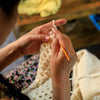
Why Indias Handcrafted Sarees Are Gaining Global Attention

Quick Listen:
In an era where fast fashion often dominates wardrobes, a quiet revolution is unfolding one rooted in tradition, craftsmanship, and sustainability. The Indian handcrafted saree, with its flowing elegance and intricate details, is capturing the imagination of discerning buyers worldwide. This six-yard wonder isn't just apparel; it's a testament to centuries-old skills passed down through generations, now finding new admirers in a global market hungry for authenticity.
Fast fashion erodes cultural heritage, sidelining artisans and reducing traditions to trends. At IndieHaat, we champion India's craftspeople with handcrafted sarees, apparel, décor, and skincare rooted in authenticity. Each piece embodies skill and ethical care. Support artisans and preserve India's timeless legacy Shop Now!
The Resurgent Appeal of India's Handcrafted Sarees
India's handcrafted sarees have always embodied grace and cultural depth at home, but their international prominence is surging. This growth reflects a worldwide shift toward artisanal products, where consumers prize the irreplaceable human element over mass-produced alternatives. E-commerce platforms specializing in direct artisan sourcing, such as indiehaat.com, play a pivotal role by offering pieces crafted from pure linen, silk, and cotton, delivering unique designs straight to global doorsteps from bustling cities in the US to cosmopolitan hubs in the UAE.
At its core, the saree is a living archive of India's regional diversity: the opulent brocades of Banarasi from the north, the gold-threaded splendor of Kanjeevaram from the south. This richness aligns seamlessly with rising demand for sustainable fashion. Data underscores this momentum the India handicrafts market was valued at USD 4,565.0 million in 2024, on track to reach USD 8,198.5 million by 2033 with a CAGR of 6.39% from 2025-2033. Factors propelling this include higher disposable incomes, appetite for handmade ethnic décor, e-commerce proliferation, government export incentives, tourism growth, and preference for eco-friendly goods.
On a broader scale, the global handloom products market hit USD 8.32 billion in 2024, projected to expand to USD 16.62 billion by 2032 at a CAGR of 9.24%. Asia Pacific commanded 55.77% of the share in 2024, thanks largely to India's robust artisan ecosystem. Within this, sarees held a commanding 44.82% segment in 2024, fueled by sustainability trends and distinctive regional varieties.
Driving Trends in Global Demand for Indian Craftsmanship
Ethical fashion is reshaping consumer choices, and handcrafted Indian sarees embody this ideal perfectly. Shoppers increasingly reject synthetics in favor of garments with provenance sustainable, story-rich pieces made from natural fibers. The Indian ethnic wear market, which prominently features sarees alongside salwar kameez and lehengas, stood at approximately USD 197.2 billion in 2024, forecasted to climb to USD 558.5 billion by 2033 at a CAGR of 12.6%. Cultural festivals, weddings, and younger generation's embrace of tradition-modern fusions sustain this vigor.
International runways now regularly showcase sarees, blended with modern aesthetics by visionary designers. Social media accelerates visibility: Instagram and Facebook feeds brim with creative draping ideas, while YouTube tutorials demystify styling for newcomers. Influencers and celebrities wearing sarees at high-profile events ignite widespread interest and boost sales.
Key markets embracing this include the United States, United Kingdom, UAE, Singapore, and Australia. Diaspora communities initially led adoption, but appeal has broadened to those seeking distinctive, ethical additions to their collections. Specifically for sarees, the Indian saree market reached USD 5.76 billion in 2024, expected to grow to USD 10.33 billion by 2033 at a CAGR of 6.70%, driven by contemporary adaptations, online accessibility, and eco-conscious practices.
Online retailers note robust international demand, particularly for platforms emphasizing direct artisan connections. This transparency alleviates trust concerns, assuring buyers of authenticity and fair artisan support.
Real-World Success Stories Abroad
Indian saree brands are making significant inroads globally via marketplaces like Amazon and Etsy, where exports of handcrafted items have surged. Government initiatives amplify this: The Ministry of Textile's Swadeshi Campaign repositioned handlooms and handicrafts as emblems of national pride, targeting youth and Gen Z over six to nine months. While focused domestically, it elevates global perception, supporting programs like PLI for textiles and One District One Product. India's textile sector, valued at USD 179 billion in 2024, anticipates domestic demand reaching USD 250 billion by 2030.
Cross-border collaborations highlight innovation Western designers partnering with Indian weavers to produce fusion wear. In the UAE, sarees grace elite gatherings with bespoke touches; Singapore integrates them into multicultural celebrations; Australia's eco-advocates champion their sustainable credentials.
Social media influencers, particularly on Instagram, spotlight handcrafted sarees in pure fabrics, directing traffic to authentic sources. Detailed origin narratives help bridge the online gap of not touching the product, fostering emotional bonds. In the UK, sarees are elevated as luxury staples, where premium pricing is justified by exclusivity and artisan equity transforming potential drawbacks into strengths.
Persistent Challenges
Growth notwithstanding, obstacles persist. Preserving true handcrafting while meeting rising demand strains supply chains, as artisans cannot replicate industrial volumes. Maintaining eco-standards across dispersed networks demands substantial resources.
Cultural navigation requires care to promote appreciation over appropriation. Online sales grapple with logistics costs and conveying tactile qualities virtually mitigated by high-definition visuals, swatches, and reviews on sites like indiehaat.com.
Higher prices reflect intensive labor, but positioning sarees as enduring investments reframes value. Direct sourcing and verifications counter authenticity doubts, ensuring genuine, intermediary-free products.
Emerging Opportunities and Impacts
Prospects abound in underserved regions like Europe and North America, where cultural curiosity thrives. Technological advances, such as augmented reality fittings, close experiential gaps for remote buyers.
Customization in premium natural fabrics attracts affluent clientele valuing exclusivity. Ethical branding underscores low-impact production and community support. Platforms like indiehaat.com lead by prioritizing artisan welfare and material purity, engaging international audiences through Instagram, Facebook, and YouTube.
E-commerce entities can forge deeper artisan alliances for exclusive offerings, leveraging analytics for tailored inventory. Bolstered by policy support, this ecosystem primes small enterprises for worldwide expansion.
Future Outlook and Insights
Experts foresee sustained ascent, with digital integration revitalizing traditions without diluting essence. Projections affirm robustness: handicrafts approaching USD 8,198.5 million by 2033, handlooms USD 16.62 billion by 2032.
The phenomenon of India's handcrafted sarees gaining global attention signals a profound shift toward meaningful consumption. Retailers poised to succeed will deepen artisan collaborations, champion transparent ethics, and harness innovations for immersive experiences. In the end, these sarees affirm a powerful truth: Amid uniformity, genuine craftsmanship prevails, enveloping tomorrow in vivid, enduring legacy.
Frequently Asked Questions
Why are handcrafted Indian sarees becoming popular globally?
Handcrafted Indian sarees are gaining international attention due to the growing demand for sustainable, ethical fashion and authentic artisanal products. Consumers worldwide are increasingly rejecting mass-produced synthetics in favor of unique, story-rich garments made from pure natural fibers like silk, cotton, and linen. The rise of e-commerce platforms connecting artisans directly to global markets, combined with social media visibility and celebrity endorsements, has made these traditional six-yard wonders accessible to buyers in the US, UK, UAE, Singapore, and Australia who value craftsmanship and cultural heritage.
How big is the market for Indian handcrafted sarees and ethnic wear?
The Indian saree market reached USD 5.76 billion in 2024 and is projected to grow to USD 10.33 billion by 2033 at a CAGR of 6.70%. The broader Indian ethnic wear market, which includes sarees, salwar kameez, and lehengas, stood at approximately USD 197.2 billion in 2024 and is forecasted to reach USD 558.5 billion by 2033. Globally, the handloom products market hit USD 8.32 billion in 2024, with sarees commanding a 44.82% segment share, driven by sustainability trends and India's rich regional weaving traditions.
What challenges do handcrafted saree sellers face when selling to international markets?
Key challenges include maintaining authentic handcrafting standards while meeting increased global demand, as artisans cannot match industrial production volumes. Online sales face logistics costs, higher pricing concerns (due to intensive labor), and the difficulty of conveying tactile qualities virtually to buyers who cannot physically inspect the fabric. However, platforms are addressing these issues through high-definition visuals, detailed artisan stories, transparent provenance information, fabric swatches, customer reviews, and direct sourcing models that eliminate intermediaries while ensuring fair artisan compensation.
Disclaimer: The above helpful resources content contains personal opinions and experiences. The information provided is for general knowledge and does not constitute professional advice.
You may also be interested in: Natural Fabrics for Clothing: A Buyers Guide – Indiehaat.com
Fast fashion erodes cultural heritage, sidelining artisans and reducing traditions to trends. At IndieHaat, we champion India's craftspeople with handcrafted sarees, apparel, décor, and skincare rooted in authenticity. Each piece embodies skill and ethical care. Support artisans and preserve India's timeless legacy Shop Now!
Powered by flareAI.co