
How IndieHaat Preserves Indias Handloom Weaving Traditions
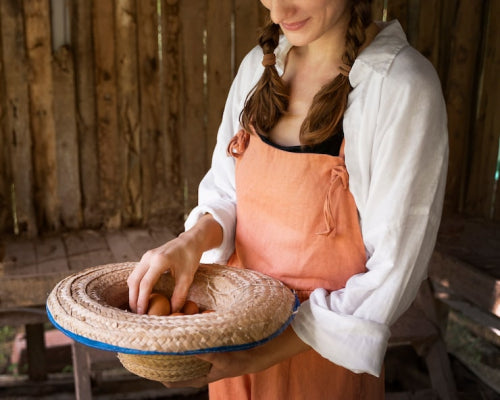
In a sunlit courtyard in Odisha, the steady hum of a handloom weaves a story of artistry and endurance. For centuries, India's weavers have crafted textiles that carry the weight of tradition sarees and fabrics alive with the soul of their makers. But as fast fashion's shadow looms large, these ancient crafts teeter on the edge of oblivion. Enter IndieHaat, a Bangalore-based e-commerce platform that's stitching together a future for India's handloom heritage, connecting artisans to global markets with purpose and pride.
A Global Hunger for Handwoven Craft
The world is waking up to the value of sustainable fashion, and India's handloom sector is riding this wave. A market analysis projects the global handloom market, valued at USD 8.32 billion in 2024, will soar to USD 16.62 billion by 2032, growing at a 9.24% CAGR. Asia Pacific, with India at its helm, holds a commanding 55.77% market share, fueled by a rising appetite for eco-conscious, culturally rich products. IndieHaat taps into this demand, offering curated collections of Tussar and Linen sarees, dress materials, and artisanal home décor, all crafted from pure linen, silk, and cotton.
Each piece on IndieHaat's platform is a testament to India's weaving traditions, from the intricate patterns of Bhagalpuri silk to the earthy elegance of Andhra Pradesh's cotton weaves. This isn't just about selling textiles it's about championing a movement. IndieHaat's focus on authenticity and sustainability resonates with consumers seeking alternatives to the environmental toll of mass-produced fashion.
Empowering Artisans, Preserving Heritage
At its core, IndieHaat is about people as much as products. The brand partners directly with artisans in regions like West Bengal, Odisha, and Andhra Pradesh, ensuring fair wages and no exploitative middlemen. The handloom industry employs over 3.5 million weavers in India, making it the second-largest employer after agriculture, with women forming the backbone of this workforce. IndieHaat's model amplifies this impact by providing steady work and training to preserve traditional techniques, particularly for female artisans.
Every saree or shawl comes with a story. IndieHaat's “Woven Legacies” collection, for instance, highlights weaves like Jamdani and Chanderi, pairing each product with details about its cultural roots. QR codes and transparent supply chain data let buyers trace their purchase from loom to delivery, fostering trust in an era of skepticism. This blend of tradition and technology bridges rural artisans with discerning buyers in India, the US, Singapore, Australia, the UK, and the UAE.
IndieHaat's commitment goes beyond commerce. By investing in artisan training and community-led initiatives, the brand ensures younger generations inherit the skills of their forebears. It's a quiet revolution, one that keeps looms alive in villages where they might otherwise fall silent.
The Loom's Looming Threats
India's handloom sector, for all its resilience, faces daunting challenges. Urban migration draws young people away from weaving, lured by the promise of city jobs. Machine-made textiles, often passed off as handmade, flood markets, undercutting authentic crafts. Consumers, wary of high prices or unable to touch fabrics before buying, question the authenticity of online offerings objections IndieHaat tackles with rigor.
Mislabeling erodes trust, as synthetic fabrics masquerade as handwoven treasures. Digital illiteracy among artisans further complicates their access to global markets. IndieHaat counters these barriers with innovation, offering workshops to help weavers navigate platforms like Amazon and ONDC. By listing on these marketplaces, the brand amplifies its reach while safeguarding the integrity of its handcrafted goods.
Stitching a Global Narrative
IndieHaat's influence stretches far beyond India, driven by a strategic presence on Instagram, Facebook, and YouTube. Collaborations with influencers profiles like anilarubyraj and varshaoak bring handwoven sarees to style-conscious audiences worldwide. These partnerships don't just showcase products; they educate, spotlighting the artistry behind a Tussar saree's sheen or a Chanderi shawl's delicate motifs.
What sets IndieHaat apart is its unwavering commitment to authenticity. Unlike competitors who lean on mass production, IndieHaat curates every item with care, ensuring only handmade, high-quality pieces in pure fabrics make the cut. This focus on unique designs and ethical sourcing resonates with buyers in regions like the US and UK, where sustainable fashion is no longer a niche but a movement.
IndieHaat's marketplace strategy is equally sharp. By listing on platforms like Amazon and ONDC, the brand reaches diverse audiences without diluting its mission. Each sale supports not just an artisan but an entire ecosystem of sustainable practices, from natural dyeing to hand embroidery, as noted in the Save Handloom report, which highlights the sector's 7% CAGR in exports over the past five years.
Weaving a Sustainable Future
IndieHaat's vision is bold: a world where handloom isn't a fading craft but a cornerstone of modern fashion. “Our artisans are storytellers,” one founder declared in a recent interview. “Every thread they weave carries centuries of culture.” This ethos drives IndieHaat's plans to expand globally, deepen marketplace partnerships, and invest in artisan education to keep traditional techniques alive.
Consumers hold immense power in this equation. Choosing handwoven products supports artisans and sustainable practices, from eco-friendly dyes to low-impact production. Policymakers can amplify this impact through incentives like subsidies for natural materials or digital literacy programs for rural communities. The global handloom market data underscores the potential, with steady growth projected through 2034, particularly in North America.
IndieHaat's efforts are already bearing fruit. By reviving dormant weaving clusters and leveraging technology, the brand is ensuring that India's handloom traditions don't just survive but thrive. Each sale is a vote for heritage, a step toward a future where craftsmanship and conscience coexist.
A Tapestry of Legacy and Innovation
IndieHaat is more than an e-commerce platform; it's a lifeline for India's weavers, a bridge between ancient looms and modern markets. In a world chasing uniformity, the brand stands as a defiant celebration of individuality and artistry. Every saree sold, every artisan empowered, adds another thread to a tapestry that refuses to fray a legacy woven with purpose, pride, and possibility.
Frequently Asked Questions
How is IndieHaat helping preserve India's traditional handloom weaving crafts?
IndieHaat preserves India's handloom traditions by partnering directly with artisans in regions like West Bengal, Odisha, and Andhra Pradesh, ensuring fair wages without exploitative middlemen. The platform invests in artisan training and community-led initiatives to pass traditional weaving techniques to younger generations, while providing global market access through e-commerce platforms like Amazon and ONDC.
What makes IndieHaat's handloom products authentic compared to machine-made alternatives?
IndieHaat ensures authenticity by curating only handmade, high-quality pieces crafted from pure linen, silk, and cotton fabrics. Each product comes with transparent supply chain data and QR codes that allow buyers to trace their purchase from loom to delivery, while detailed stories about cultural roots and weaving techniques like Jamdani and Chanderi accompany every item.
Why is the global handloom market growing and how does IndieHaat benefit from this trend?
The global handloom market is projected to grow from USD 8.32 billion in 2024 to USD 16.62 billion by 2032, driven by rising demand for sustainable, eco-conscious fashion alternatives to fast fashion. IndieHaat capitalizes on this trend by offering curated collections of traditional Indian textiles to international markets including the US, UK, Singapore, and Australia, where sustainable fashion has become a mainstream movement rather than a niche market.
Disclaimer: The above helpful resources content contains personal opinions and experiences. The information provided is for general knowledge and does not constitute professional advice.
You may also be interested in: Sustainable Fashion Finds a Home in Handwoven Indian Textiles
Fast fashion erodes cultural heritage, sidelining artisans and reducing traditions to trends. At IndieHaat, we champion India's craftspeople with handcrafted sarees, apparel, décor, and skincare rooted in authenticity. Each piece embodies skill and ethical care. Support artisans and preserve India's timeless legacy Shop Now!
Powered by flareAI.co