
How to Build a Sustainable Ethnic Wardrobe
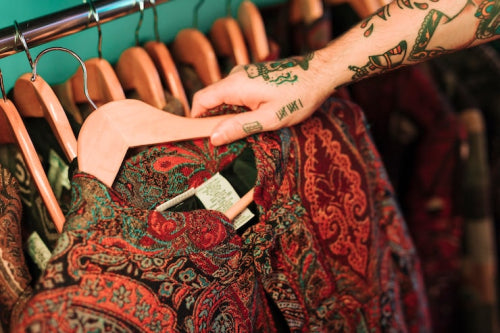
Building a sustainable ethnic wardrobe is about making thoughtful choices that connect personal style with craftsmanship, comfort, and responsible consumption. Ethnic clothing often carries a deeper relationship with culture, because many garments are shaped by traditional techniques, natural materials, and skilled artisan practices. Instead of collecting pieces that are worn only occasionally, a sustainable ethnic wardrobe focuses on selecting versatile garments that remain meaningful over time. From handwoven sarees and cotton kurtas to linen ensembles and artisan-made accessories, the goal is to create a collection where every piece has a purpose, tells a story, and continues to add value through repeated use.
Fast fashion erodes cultural heritage, sidelining artisans and reducing traditions to trends. At IndieHaat, we champion India's craftspeople with handcrafted sarees, apparel, décor, and skincare rooted in authenticity. Each piece embodies skill and ethical care. Support artisans and preserve India's timeless legacy Shop Now !
Understand What Makes an Ethnic Wardrobe Sustainable
Sustainability in fashion is not only about choosing a particular fabric. It is also about changing how clothing is purchased, used, cared for, and valued. A sustainable ethnic wardrobe begins with a shift from short-term trends towards long-lasting design, quality materials, and conscious ownership.
Traditional Indian textiles naturally reflect many principles associated with sustainable fashion. Handloom techniques, natural fibres, artisan craftsmanship, and carefully created garments often represent an approach where clothing is made with intention rather than designed for quick replacement. Choosing pieces that can be worn across different occasions allows consumers to build a wardrobe that feels both practical and culturally connected.
For those exploring sustainable ethnic clothing, the first step is to consider the lifecycle of a garment. Ask whether the fabric is comfortable for repeated wear, whether the design can be styled in multiple ways, and whether the craftsmanship suggests durability. These questions help transform shopping from an impulse activity into a more thoughtful process.
Choose Natural Fabrics That Support Long-term Wear
Fabric selection plays an important role when creating a sustainable ethnic wardrobe. Natural fibres such as cotton, linen, and silk have long been valued for their comfort, breathability, and timeless appearance. These qualities make them suitable choices for garments designed to remain relevant beyond a single season.
Linen, for example, has gained renewed attention among consumers looking for clothing that combines comfort, durability, and a lower-impact approach to fashion. The appeal of natural fabrics is closely connected to the desire for wardrobes built around quality rather than excessive consumption. Low-impact natural fabrics highlight how material choices can influence the way people think about clothing longevity and everyday wear.
When selecting ethnic wear, consider how a fabric works with your lifestyle. A lightweight cotton kurta may become an everyday essential, while a well-crafted silk saree may serve as a cherished occasion piece for years. Linen outfits can provide a comfortable option for warm climates, while handwoven textiles can add uniqueness through their texture and craftsmanship.
A sustainable Indian ethnic fashion approach is not about creating a wardrobe filled only with specific materials. It is about choosing fabrics that align with personal needs while appreciating the skill and resources involved in creating each piece.
Invest in Versatile Pieces Instead of Short-lived Trends
A sustainable ethnic wardrobe becomes more effective when each garment has multiple possibilities. A saree that can be styled differently for celebrations, professional events, and family gatherings offers greater value than a piece designed for one occasion only.
Versatility can be created through thoughtful combinations. A traditional dupatta can refresh a simple kurta set, artisan jewellery can transform a familiar outfit, and neutral-toned garments can work with a wider range of accessories. This approach helps reduce the need for frequent purchases while allowing creativity within an existing collection.
Long-lasting ethnic wardrobe choices often come from selecting designs that balance heritage with everyday practicality. Classic silhouettes, quality stitching, and comfortable fabrics make garments easier to maintain and more likely to remain part of regular rotation.
For conscious shoppers, the question is not only “Does this piece look beautiful?” but also “How many ways can this piece become part of my life?” That mindset helps build a wardrobe based on connection rather than accumulation.
Support Craftsmanship and Responsible Production
Every handmade garment represents more than a finished product. It reflects skills passed through generations, regional techniques, and the effort of craftspeople who preserve traditional knowledge. Choosing artisan-made products allows consumers to appreciate the human contribution behind their clothing.
Ethnic fashion has a natural connection with craftsmanship because many traditional garments rely on weaving, embroidery, printing, dyeing, and other specialised techniques. Supporting these practices encourages a closer relationship between creators and consumers, where the value of a garment extends beyond appearance.
The environmental side of fashion is also connected to how clothing is produced and used. The fashion industry faces concerns related to resource consumption, waste generation, chemical use, and emissions. Building a more sustainable wardrobe involves reducing unnecessary purchases, extending garment life, and giving greater importance to responsible sourcing and craftsmanship. Fashion's environmental footprint illustrates why more thoughtful approaches to clothing choices are gaining attention.
For consumers, this means looking beyond trends and considering the story behind a garment. A handmade saree, artisan accessory, or carefully crafted home textile can represent a meaningful investment when it is selected with intention.
Care for Ethnic Garments to Extend Their Life
Creating a sustainable ethnic wardrobe does not end after purchase. Proper care is essential for maintaining fabric quality, preserving craftsmanship, and ensuring garments can be enjoyed for longer periods.
Simple habits can make a significant difference. Store delicate fabrics in suitable conditions, follow care instructions, avoid unnecessary washing, and repair minor issues before they become larger problems. These practices protect both the material and the effort involved in creating the garment.
Natural fabrics often benefit from careful handling. Cotton, linen, and silk pieces can maintain their character when cleaned and stored appropriately. Handcrafted textiles may also require additional attention because their value often comes from specialised techniques and detailed workmanship.
A sustainable ethnic wear India mindset includes seeing clothing as something to maintain rather than replace. When garments are cared for properly, they remain useful, reduce waste, and continue to represent personal and cultural identity.
Build a Wardrobe Around Meaningful Purchases
A conscious wardrobe is not created overnight. It develops gradually through better decisions about what to add, what to keep, and what to reuse. Instead of following every seasonal trend, focus on building a collection that reflects personal style and everyday needs.
Start by reviewing the garments already owned. Identify frequently worn pieces, items that can be styled differently, and garments that need repair or better care. This process helps reveal what is genuinely useful before making new purchases.
When adding new pieces, prioritise craftsmanship, comfort, versatility, and emotional value. A garment connected to a special occasion, artisan story, or meaningful design is more likely to remain part of a wardrobe for years.
For those learning how to build sustainable ethnic wardrobe practices, the most important principle is balance. Sustainability does not require abandoning personal expression. Instead, it encourages consumers to make fashion choices that are more intentional, thoughtful, and connected to long-term use.
The Future of Sustainable Indian Ethnic Fashion Starts with Everyday Choices
Sustainable fashion is shaped by everyday decisions made by consumers, creators, and communities. Choosing fewer but better-quality garments, appreciating artisan skills, and caring for clothing responsibly can create a more meaningful relationship with fashion.
Ethnic wear offers a unique opportunity to combine cultural heritage with sustainable practices. Traditional textiles and handmade techniques already carry values of patience, skill, and longevity. By bringing these values into modern wardrobes, consumers can create collections that feel authentic while reducing unnecessary consumption.
A sustainable ethnic wardrobe is ultimately about making clothing choices with greater awareness. Each carefully selected piece can represent personal style, cultural appreciation, and respect for the people and processes behind its creation. When fashion is approached as a long-term relationship rather than a temporary purchase, wardrobes become more valuable, purposeful, and enduring.
Frequently Asked Questions
How can I build a sustainable ethnic wardrobe?
You can build a sustainable ethnic wardrobe by choosing versatile, high-quality garments made from durable fabrics and supporting thoughtful craftsmanship. Focus on pieces that can be styled for multiple occasions, cared for properly, and used for years instead of following short-lived trends.
What fabrics are best for sustainable ethnic wear?
Natural fibres such as cotton, linen, and silk are popular choices for sustainable ethnic wear because they offer comfort, breathability, and timeless appeal. Selecting fabrics that match your lifestyle and caring for them correctly can help create a long-lasting ethnic wardrobe.
Why is artisan-made clothing important for sustainable Indian ethnic fashion?
Artisan-made clothing preserves traditional skills, craftsmanship, and cultural techniques while encouraging more mindful fashion choices. Choosing handmade ethnic wear allows consumers to value the story behind each garment and support a more thoughtful approach to clothing.
Disclaimer: The above helpful resources content contains personal opinions and experiences. The information provided is for general knowledge and does not constitute professional advice.
You may also be interested in: Connecting Rural Artisans to Modern Fashion Trends
Fast fashion erodes cultural heritage, sidelining artisans and reducing traditions to trends. At IndieHaat, we champion India's craftspeople with handcrafted sarees, apparel, décor, and skincare rooted in authenticity. Each piece embodies skill and ethical care. Support artisans and preserve India's timeless legacy Shop Now !
Powered by flareAI.co