How to Compare Handloom Dress Materials Before Buying
Quick Listen:
Buying a handloom dress material involves more than choosing a colour or pattern that catches the eye. The texture, weaving technique, fibre quality, finishing, and authenticity of the fabric all influence how the final garment looks, feels, and lasts. With many textiles available in similar designs and price ranges, understanding how to compare options can help shoppers make more informed choices. A thoughtful evaluation process allows buyers to appreciate the craftsmanship behind traditional fabrics while selecting materials that match their preferences, occasion, and expectations.
Fast fashion erodes cultural heritage, sidelining artisans and reducing traditions to trends. At IndieHaat, we champion India's craftspeople with handcrafted sarees, apparel, décor, and skincare rooted in authenticity. Each piece embodies skill and ethical care. Support artisans and preserve India's timeless legacy Shop Now!
Understand What Makes Handloom Dress Materials Different
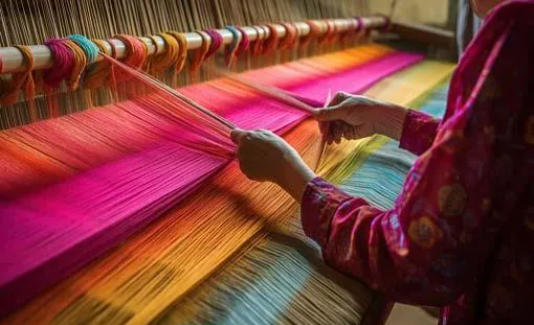
Handloom fabrics carry characteristics shaped by the weaving process itself. Unlike mass-produced textiles made through automated methods, handwoven materials often reflect the individual skill, technique, and creative decisions of the artisan. These details can appear in the fabric's texture, weave patterns, slight variations, and overall character.
When comparing handloom dress materials, begin by looking beyond surface appearance. A fabric that looks visually similar to another option may differ significantly in feel, construction, and craftsmanship. Examine how the threads are arranged, whether the surface has depth and texture, and how the material responds when handled.
Understanding the difference between handmade and machine-produced textiles also helps buyers recognise the value behind traditional weaving. The appeal of handloom lies not only in the finished design but also in the process, regional techniques, and artisan expertise represented in each piece.
Check Fabric Quality Before Making a Purchase
Fabric quality is one of the most important factors when comparing dress materials. The right choice depends on how the material will be used, whether for everyday wear, festive occasions, gifting, or custom tailoring.
- Texture: Quality handloom fabrics often have a distinctive feel created by the weaving method and fibre selection. Run your hand across the material to understand its softness, structure, and surface character.
- Fibre composition: Knowing whether a fabric uses cotton, silk, or other fibres can help you assess comfort, maintenance needs, and suitability for different seasons.
- Weave consistency: Look closely at the arrangement of threads and patterns. A well-crafted textile should show careful attention to detail.
- Finish: Examine the edges, detailing, and overall presentation of the material to understand its craftsmanship.
A reliable handloom dress material buying guide should encourage buyers to evaluate the complete fabric experience rather than focusing only on colour or price. The most suitable choice balances appearance, comfort, durability, and personal preference.
Learn How to Identify Authentic Handloom Textiles
Authenticity is a key consideration when shopping for traditional textiles. Many buyers find it challenging to distinguish genuine handwoven fabrics from products that replicate handloom-inspired designs through machine production. Learning basic authenticity checks can make the selection process easier.
Official verification systems and authenticity labels can help customers identify products connected with recognised weaving practices. Buyers can also look for information about the fabric's weaving region, production method, fibre details, and artisan background before making a decision. These details provide useful context about the craftsmanship behind a textile.
The handloom authenticity checks provided through recognised verification efforts highlight why awareness matters when purchasing traditional fabrics. Understanding authenticity indicators allows shoppers to compare materials more confidently and recognise the difference between genuine craftsmanship and imitation products.
Authenticity should not be viewed only as a label or certification question. It is also about understanding the story, skill, and traditional knowledge represented by the fabric. When buyers take time to learn these details, they can make choices that better reflect their values and appreciation for handcrafted textiles.
Compare Weaving Techniques, Designs, and Craftsmanship Details
Every handloom textile has its own visual language. The weave, motifs, patterns, and finishing techniques can reveal the skill involved in creating the material. Comparing these elements helps buyers understand why two fabrics with similar colours or designs may have different characteristics.
- Pattern construction: Observe whether motifs appear integrated into the weave or added through surface decoration.
- Traditional techniques: Consider whether the material reflects a specific weaving style or regional textile tradition.
- Artisan details: Small variations can sometimes reflect handmade production rather than inconsistency.
- Design versatility: Think about whether the material suits the type of garment you plan to create.
For shoppers exploring how to choose handloom fabric, craftsmanship details provide valuable guidance. A well-understood textile purchase becomes more meaningful because the buyer is selecting not just a pattern, but a piece of work shaped by human skill and cultural knowledge.
Consider the Source and Buying Experience
The seller's information and approach can influence the confidence a buyer has in a purchase. A transparent buying experience should provide clear details about the material, craftsmanship, care requirements, and production background.
- Does the product description explain the fabric type and weaving process?
- Is there enough information about care and maintenance?
- Does the seller provide context about the craftsmanship behind the textile?
- Are the product images and descriptions detailed enough to support comparison?
Reliable information helps customers move beyond quick decisions based only on appearance. It also supports a better understanding of the relationship between craftsmanship, quality, and value.
The handloom sector continues to receive support focused on improving product quality, strengthening artisan livelihoods, and creating better opportunities for traditional textiles. Initiatives that provide resources, design support, and market access help connect craftsmanship with wider audiences. The handloom development initiatives discussed by official sources reflect the importance of supporting textile traditions while improving opportunities for artisans.
Build a Practical Comparison Checklist Before Buying
A structured comparison process can make shopping for handloom dress materials simpler. Instead of making a decision based on one feature, evaluate multiple aspects together.
- Fabric feel: Does the material offer the comfort and texture you expect?
- Weave quality: Does the construction show careful craftsmanship?
- Authenticity information: Are there details about origin, production method, or verification?
- Purpose: Is the material suitable for your intended garment and occasion?
- Care requirements: Can you maintain the fabric properly over time?
This approach helps buyers compare options with greater clarity. It also reduces the risk of choosing a textile only because of a trend or visual appeal without considering long-term use.
Make a More Informed Choice When Selecting Handloom Fabrics
Choosing a handloom dress material is an opportunity to connect with craftsmanship, design heritage, and thoughtful textile practices. A careful comparison process allows buyers to recognise the qualities that make each fabric unique.
For shoppers exploring traditional Indian textiles, understanding fabric quality, authenticity, weaving techniques, and sourcing details can transform the buying experience. Instead of simply selecting a material, buyers can develop a deeper appreciation for the work involved in creating it.
For a curated marketplace focused on authentic handcrafted products, educational content around textile selection supports customers in making confident decisions. By learning how to compare handloom dress materials, shoppers can better understand the value of artisan-made fabrics and choose pieces that align with their style, needs, and appreciation for traditional craftsmanship.
Frequently Asked Questions
How can I compare handloom dress materials before buying?
To compare handloom dress materials, check the fabric texture, fibre composition, weave quality, finishing, and authenticity details. Consider how the material feels, how it suits your intended garment, and whether the seller provides clear information about the craftsmanship behind the textile.
How can I check the quality and authenticity of handloom fabric?
You can check handloom fabric quality by examining the weave consistency, surface texture, fibre details, and finishing. Authenticity markers, verification labels, and information about the weaving process can help you distinguish genuine handwoven textiles from machine-made alternatives.
What factors should I consider when choosing handloom fabric for a dress?
When choosing handloom fabric, consider the occasion, comfort, durability, maintenance needs, and design suitability. Understanding traditional weaving techniques and artisan craftsmanship can help you select a dress material that matches your style and expectations.
Disclaimer: The above helpful resources content contains personal opinions and experiences. The information provided is for general knowledge and does not constitute professional advice.
You may also be interested in: Buy Pure Cotton Saree Online: A Quality Checklist - Indiehaat.com
Fast fashion erodes cultural heritage, sidelining artisans and reducing traditions to trends. At IndieHaat, we champion India's craftspeople with handcrafted sarees, apparel, décor, and skincare rooted in authenticity. Each piece embodies skill and ethical care. Support artisans and preserve India's timeless legacy Shop Now!
Powered by flareAI.co