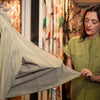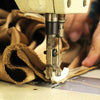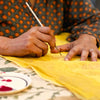
Linen Fabric Gains Favor Despite Its Tendency to Wrinkle
In the bustling workshops of Varanasi, where the rhythmic clatter of handlooms blends with the faint aroma of natural dyes, a textile renaissance is unfolding. Linen, a fabric as old as civilization itself, is experiencing a revival in India's artisanal sector. Its breathable, sustainable fibers are captivating designers and eco-conscious consumers alike. Yet, linen comes with a quirk: it wrinkles, stubbornly and unapologetically. In 2025, this very imperfection is being embraced as a hallmark of authenticity, transforming linen into a symbol of sustainable elegance. From handwoven saris to rustic table linens, this ancient textile is weaving its way into modern India, proving that flaws can be the threads of a compelling story.
Fast fashion erodes cultural heritage, sidelining artisans and reducing traditions to trends. At IndieHaat, we champion India's craftspeople with handcrafted sarees, apparel, décor, and skincare rooted in authenticity. Each piece embodies skill and ethical care. Support artisans and preserve India's timeless legacy Shop Now!
The Enduring Legacy of Linen
Linen's story begins thousands of years ago, spun from the flax plant into fabrics that draped pharaohs and graced ancient Mediterranean homes. Today, its allure lies in its eco-friendly credentials and understated sophistication. A comprehensive 2024 market report from Dataintelo, rated highly at 4.6 with 60 reviews, confirms the global linen market's steady growth, fueled by a surge in demand for sustainable textiles. This trend resonates deeply in India's artisanal hubs, where linen is becoming a cornerstone of handcrafted fashion and décor. In cities like Chennai and Hyderabad, where sweltering summers demand lightweight clothing, linen kurtas, shirts, and dresses are fast becoming wardrobe essentials. Artisans are responding with enthusiasm, crafting everything from flowing saris to tailored jackets using a fabric that balances comfort with elegance.
The resurgence is driven by more than just aesthetics. Linen's sustainability sets it apart: flax cultivation requires significantly less water and fewer pesticides than cotton, making it a favorite in the slow fashion movement. In India, where urban consumers are increasingly embracing the mantra of “buy less, choose well,” linen fits seamlessly into this ethos. Its airy texture is a blessing in humid climates, offering relief from the clingy discomfort of synthetic fabrics. Visually, linen's natural slub and subtle sheen exude a quiet luxury, whether it's draped as a sari in a bustling market or hung as a curtain in a sleek urban apartment.
Innovations Shaping Linen's Path
The linen revival is not just a nod to tradition it's a leap toward innovation. Artisans are blending linen with cotton or silk to tame its wrinkling tendencies while preserving its organic charm. These blends are a breakthrough, making linen more approachable for those who admire its look but shy away from its maintenance. In West Bengal, weavers are pairing linen with intricate hand-block prints, creating saris that fuse heritage with contemporary flair. Meanwhile, linen is making waves in home décor. Handwoven table runners, cushion covers, and curtains are appearing in upscale boutiques across urban India, their earthy hues and tactile surfaces appealing to those seeking authentic, handcrafted pieces.
Perhaps the most striking trend is the redefinition of linen's wrinkles. In an era dominated by curated social media feeds, the slow fashion community is championing linen's creases as a mark of lived-in beauty. Artisan collectives are leading the charge with campaigns like #LinenLove, showcasing crumpled kurtas and softly rumpled bedspreads as emblems of authenticity. This shift in perception is gaining traction, particularly among younger consumers who view wrinkles not as imperfections but as narratives woven into the fabric itself. It's a cultural pivot that celebrates the beauty of the unpolished.
Artisans at the Forefront
India's artisans are the heartbeat of linen's revival. In Tamil Nadu, a cooperative of weavers is using vegetable dyes to craft vibrant linen saris, each piece a vibrant tribute to the region's textile legacy. Sold through fair-trade platforms, these creations are reaching buyers not only in India but also in eco-conscious markets like Europe and North America. In Delhi, a boutique brand is making waves with linen dresses that blend traditional embroidery with modern cuts, proving that linen can be both classic and cutting-edge.
The home décor sector is equally dynamic. In Rajasthan, artisans are producing linen curtains and table linens dyed with natural indigo or turmeric, blending rustic charm with urban sophistication. These products are gaining a foothold in global markets, where buyers value their handmade authenticity. The Dataintelo market analysis, published on February 1, 2024, highlights linen's export potential, noting its appeal in sustainability-driven regions. For India's artisans, this presents a unique opportunity to tap into a global demand for craftsmanship with a story.
Navigating Linen's Challenges
Yet, linen's ascent is not without obstacles. Its propensity to wrinkle remains a significant barrier, particularly for consumers who prioritize low-maintenance wardrobes. Ironing linen demands patience, a luxury in today's fast-paced world. Cost is another hurdle: high-quality flax is often imported, making linen pricier than synthetic alternatives. This creates a challenge for artisans striving to position linen as both a premium and practical choice.
Supply constraints further complicate the picture. India's limited flax production forces many artisans to rely on imported fibers, which can strain small-scale operations. Consumer perceptions also pose a challenge. While some embrace linen's wrinkles as part of its charm, others view them as a sign of disarray, creating a divide between those who see character and those who see inconvenience. Addressing these issues will require innovative fabric treatments and strategic marketing to highlight linen's unique value.
Seizing New Opportunities
Despite these challenges, the potential for linen in India's handmade sector is vast. Artisans are reframing wrinkles as a hallmark of authenticity, aligning with the handmade ethos of individuality over uniformity. By emphasizing linen's ancient origins, sustainable cultivation, and artisanal craftsmanship, brands can connect with a growing cohort of conscious consumers. Innovations like “easy-care linen,” treated to minimize wrinkling, are broadening the fabric's appeal without compromising its essence.
The business implications are profound. Artisans are expanding beyond apparel into lifestyle products like bedspreads, lampshades, and wall hangings, catering to India's booming décor market. Export opportunities are equally promising, with Indian linen goods gaining traction in eco-conscious markets. By leveraging e-commerce and social media, artisans can transform small workshops into global enterprises. The 2024 Dataintelo report forecasts sustained growth in the linen market, positioning Indian artisans to capitalize on this trend.
A Tapestry of Imperfection
In 2025, linen's story is one of paradox: a fabric both timeless and timely, imperfect yet adored. Its wrinkles, once a drawback, are now its signature, a reminder that true beauty embraces flaws. For India's artisans, linen is a medium for creativity, bridging ancient techniques with modern sensibilities. As sustainable choices gain momentum, linen's star is set to shine brighter, its creases a testament to authenticity in a world craving connection.
In the hands of India's weavers, linen is crafting a future where imperfection is celebrated, and every wrinkle tells a tale. Whether it's a sari fluttering in the breeze or a table runner grounding a shared meal, linen reminds us that the most enduring trends are those that wear their stories proudly.
Frequently Asked Questions
Why is linen fabric becoming popular in 2025 despite its wrinkles?
Linen's popularity in 2025 stems from its exceptional sustainability credentials and comfort in hot climates. The slow fashion movement has reframed linen's wrinkles as a mark of authenticity rather than a flaw, with consumers embracing the "lived-in beauty" as part of the fabric's natural charm. Its eco-friendly production requires less water and fewer pesticides than cotton, making it ideal for conscious consumers seeking sustainable textile options.
How are Indian artisans innovating with linen fabric for modern consumers?
Indian artisans are blending linen with cotton or silk to reduce wrinkling while maintaining its organic appeal, and incorporating traditional techniques like hand-block printing and vegetable dyeing. They're expanding beyond apparel into home décor items like table runners, curtains, and cushion covers, while leveraging fair-trade platforms to reach global markets. Artisan collectives are also running campaigns like #LinenLove to celebrate linen's natural texture and promote it as authentic handcrafted luxury.
What are the main challenges and opportunities for linen in India's handmade textile sector?
The primary challenges include linen's tendency to wrinkle, higher costs due to imported flax, and limited domestic flax production in India. However, opportunities are significant with the growing global demand for sustainable textiles and the export potential to eco-conscious markets in Europe and North America. Innovations like "easy-care linen" treatments and the expansion into lifestyle products are helping artisans overcome barriers while capitalizing on the projected growth in the linen fabric market.
Disclaimer: The above helpful resources content contains personal opinions and experiences. The information provided is for general knowledge and does not constitute professional advice.
You may also be interested in: Sustainable Packaging in Indian Craft Retail: Why It Matters
Fast fashion erodes cultural heritage, sidelining artisans and reducing traditions to trends. At IndieHaat, we champion India's craftspeople with handcrafted sarees, apparel, décor, and skincare rooted in authenticity. Each piece embodies skill and ethical care. Support artisans and preserve India's timeless legacy Shop Now!
Powered by flareAI.co