Linen Sarees Emerge as Summer Favorite for Eco-Conscious Shoppers

Quick Listen:
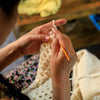
As summer's heat blankets India, a subtle yet powerful shift is reshaping wardrobes. Linen sarees, with their breezy elegance and eco-friendly credentials, are emerging as the preferred choice for shoppers who demand style, comfort, and sustainability. These handwoven masterpieces, crafted from the fibers of the flax plant, are not just garments but symbols of a growing movement toward ethical fashion. Leading this charge is IndieHaat, a platform dedicated to authentic, artisanal textiles sourced directly from India's weavers. In an era dominated by disposable fashion, linen sarees stand as a testament to craftsmanship, environmental responsibility, and timeless appeal.
Why Linen Sarees Are Captivating Consumers
Linen's allure lies in its simplicity and sustainability. Derived from flax, a crop that requires minimal water and pesticides, linen is a natural fit for eco-conscious consumers. The global linen fabric market, valued at $22.98 billion in 2023, is projected to reach $36.05 billion by 2033, growing at a 4.61% CAGR. This growth reflects linen's unique properties: breathability, durability, and hypoallergenic qualities that make it ideal for India's sweltering summers. Unlike synthetic fabrics that cling and stifle, linen offers a cool, crisp drape that feels effortless and luxurious.
The broader eco-friendly textiles market, valued at $7.15 billion, is expected to nearly double to $13.93 billion by 2030, with a 10% CAGR. Consumers are increasingly rejecting the environmental cost of fast fashion, opting instead for biodegradable materials like linen. IndieHaat has capitalized on this shift, offering a curated selection of linen sarees that embody sustainability and artistry. Each piece supports rural weavers and preserves India's handloom traditions, resonating with buyers who see fashion as a vehicle for positive change.
A Surge in Sustainable Fashion
The rise of linen sarees aligns with a transformative moment in fashion. The sustainable fashion market is forecasted to reach $11.78 billion by 2030, growing at a 6.5% CAGR, as ethical considerations shape purchasing decisions. In India, the saree market hit $5.76 billion in 2024 and is expected to climb to $10.33 billion by 2033, with a 6.7% CAGR. Government programs, such as GI tags and the Handloom Mark, are enhancing the authenticity of handwoven sarees while improving weaver's livelihoods.
Linen sarees are riding this wave, thanks to their versatility and aesthetic appeal. They transition seamlessly from professional settings to festive occasions, their structured fall and subtle luster flattering every silhouette. E-commerce innovations, including AI-driven customization and virtual try-ons, have made platforms like IndieHaat a go-to for modern shoppers. Social media amplifies this trend, with influencers showcasing linen sarees as the epitome of understated elegance, driving demand among younger, eco-aware consumers who prioritize sustainability over fleeting trends.
Voices from the Weaving Communities
The impact of linen sarees extends beyond aesthetics. Customers of IndieHaat share stories that highlight the fabric's appeal. A Delhi-based educator describes her handwoven linen saree, purchased from IndieHaat, as ideal for summer, its lightweight weave keeping her comfortable during long teaching days. A Chennai entrepreneur recounts how her vibrant linen saree sparked discussions about ethical fashion at a corporate event. These sarees are more than wardrobe staples they're catalysts for meaningful conversations and connections.
Linen holds deep cultural significance in India, symbolizing purity and grace across centuries. Modern artisans are reinterpreting this heritage, weaving traditional patterns with contemporary flair to create sarees that feel both classic and current. IndieHaat's model bypassing middlemen to ensure fair wages empowers weavers and highlights the human artistry behind each saree. In an industry often criticized for labor exploitation, this commitment to transparency sets IndieHaat apart.
Navigating Challenges in Linen's Ascent
Despite its appeal, linen faces hurdles. Some consumers shy away, citing its tendency to wrinkle or its higher cost compared to synthetic fabrics. Yet advancements in weaving techniques are yielding smoother, more resilient linen, addressing these concerns. IndieHaat's transparent pricing also educates buyers about the value of handcrafted quality, emphasizing that a linen saree's longevity makes it a cost-effective choice over time.
Sourcing sustainable linen presents another challenge. Ensuring flax is grown without harmful chemicals and that weavers operate in ethical conditions demands rigorous oversight. IndieHaat collaborates with cooperatives that uphold these standards, but scaling this approach without compromising quality is complex. Additionally, artisans must balance tradition with innovation crafting sarees that honor age-old techniques while appealing to modern sensibilities. IndieHaat excels here, offering designs that feel authentic yet fresh, appealing to both purists and trendsetters.
Opportunities for Growth and Innovation
For IndieHaat, linen sarees are a cornerstone of a broader strategy to capture the growing linen clothing market, valued at $533.7 million in 2024 and projected to reach $737.56 million by 2033, with a 3.7% CAGR. Women's linen apparel, including sarees, accounts for 55% of this market, fueled by demand for breathable, eco-friendly fabrics. As disposable incomes rise and awareness of linen's benefits spreads, the luxury linen clothing market is poised for significant growth.
IndieHaat has ample room to innovate. Expanding into complementary products, such as linen kurtas or accessories, could broaden its appeal. Partnerships with new artisan groups could introduce diverse weaves, while techniques like natural dyeing or zero-waste production could enhance its sustainability credentials. By staying true to its mission, IndieHaat is well-positioned to lead in the evolving landscape of ethical fashion.
Weaving a Sustainable Legacy
The future of linen sarees is bright. As sustainability becomes a non-negotiable priority, natural fibers like linen are set to dominate, particularly in markets like India, where climate and culture align with the fabric's strengths. IndieHaat's role is pivotal: it not only connects consumers with artisans but also educates them about the value of handcrafted, eco-friendly textiles.
For those seeking a summer wardrobe refresh, a linen saree offers more than style it's a commitment to supporting weavers, protecting the planet, and embracing a slower, more intentional approach to fashion. Visit IndieHaat's platform to explore their collection, where each saree is a thread in a larger story of sustainability and craftsmanship. In a world of fleeting trends, linen sarees endure, weaving beauty and purpose into every fold.
Disclaimer: The above helpful resources content contains personal opinions and experiences. The information provided is for general knowledge and does not constitute professional advice.
You may also be interested in: Top 5 Textile Exports Fueling India's Fashion Industry in 2024
Fast fashion erodes cultural heritage, sidelining artisans and reducing traditions to trends. At IndieHaat, we champion India's craftspeople with handcrafted sarees, apparel, décor, and skincare rooted in authenticity. Each piece embodies skill and ethical care. Support artisans and preserve India's timeless legacy Shop Now!
Powered by flareAI.co