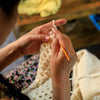
Handmade Cotton Sarees Showcase Artisan Skills at Mumbai Textile Fair
Quick Listen:
Mumbai hums with energy, its skyline a jagged contrast to the vibrant chaos of its markets. Here, the annual Mumbai Textile Fair unfolds like a living mosaic, drawing traders, designers, and enthusiasts from across the globe. This year, one craft commands attention: the handmade cotton saree. Woven by skilled artisans in India's rural heartlands, these sarees are more than garments they are emblems of culture, resilience, and artistry. At the fair, they captivate, weaving a narrative that binds India's storied past to a sustainable future.
The fair is a linchpin of India's textile industry, which generated USD 114,191.1 million in 2021 and is projected to reach USD 301,004.3 million by 2030, growing at a CAGR of 11.4%. Beyond commerce, it's a stage for craftsmanship in an era dominated by mechanized production. IndieHaat, a platform dedicated to authentic Indian handlooms, seizes this moment to champion artisans who craft not just fabric but legacies. Their work aligns with a global surge in demand for slow fashion, where each saree carries the weight of tradition and eco-conscious innovation.
A Resurgence of Handwoven Cotton Sarees
Stroll through the fair's labyrinthine stalls, and you'll sense a movement taking root. Handwoven cotton sarees, once eclipsed by opulent silks, are reclaiming their place. Lightweight, breathable, and rich with history, they resonate with buyers seeking authenticity. The global handloom sarees market, valued at USD 3.72 billion in 2024, is expected to grow to USD 7.29 billion by 2032, with a CAGR of 8.99%. India, leading Asia Pacific's 68.82% market share, drives this renaissance.
Each saree is a testament to regional diversity. Chanderi's crisp weaves shimmer with understated elegance, while Bengal's handspun cottons exude earthy charm. Artisans are reimagining tradition, using natural dyes in soft pastels or bold geometric patterns that appeal to modern sensibilities. “This isn't just clothing it's art,” a buyer remarked, tracing the indigo threads of a Maheshwari saree. A 50% rise in demand for sustainable fabrics underscores this shift toward eco-conscious consumption.
Digital platforms are amplifying this revival. IndieHaat harnesses AI-driven customization and virtual try-ons, making handlooms accessible worldwide. The Indian saree market, worth USD 5.76 billion in 2024, is forecasted to reach USD 10.33 billion by 2033, with a CAGR of 6.70%. Government programs, like the Handloom Mark and GI tags, safeguard authenticity while supporting weaver's livelihoods. Younger buyers, with 50% embracing fusion styles, are redefining the saree pairing it with denim or tailoring it into dresses making it a staple for global wardrobes.
Artisans at the Heart of the Fair
The true heroes of the fair are the artisans. In Maheshwar, Madhya Pradesh, weavers work looms that echo centuries of tradition, crafting cotton sarees with borders so intricate they demand days of focus. In Bengal, Jamdani artisans create weaves so fine they seem to defy gravity. These rural clusters fuel India's handloom sector, valued at USD 7.8 billion in 2023 and projected to hit USD 17.0 billion by 2033, with a CAGR of 8.1%.
IndieHaat's stall, a kaleidoscope of textures, tells their stories. A Chanderi weaver, her hands calloused from years at the loom, pointed to a cream saree laced with gold zari. “This took three weeks,” she said. “It's for my family's dreams.” Buyers from Mumbai boutiques to global curators linger, captivated by the authenticity. A Delhi-based designer observed, “No machine can capture this spirit.” The fair saw a reported spike in footfall, with 35% of sales driven by online ethnic wear platforms, reflecting the digital shift.
Obstacles in the Artisan Ecosystem
The journey to prominence is not without hurdles. Artisans struggle with disjointed supply chains, particularly in sourcing quality organic cotton market valued at USD 1.32 billion in 2023 and expected to grow at a CAGR of 44.4% through 2030. Rural weavers often lack exposure in urban markets, their craft overshadowed by fast fashion's relentless pace. The painstaking process sometimes weeks for a single saree makes handlooms costlier than mass-produced alternatives. “We weave with love, but the world demands haste,” one artisan lamented.
Cultural commodification looms large. Mainstream retailers often produce diluted, “inspired” designs that undermine artisan's work. Small and medium enterprises, vital to India's textile landscape, face barriers in adopting sustainable practices, as outlined in a 2025 study on India's textile industry. The absence of clear metrics to assess circular economy adoption hinders progress, leaving many artisans caught between tradition and market pressures.
Pathways to Growth
Yet, the Mumbai Textile Fair offers a glimmer of promise. It's a nexus where a Tamil Nadu weaver can connect with a London buyer, where ideas and opportunities collide. Such events propel artisans into the spotlight, fostering growth. IndieHaat bridges this gap, linking rural looms to global consumers through e-commerce and compelling storytelling think Instagram campaigns that trace a saree's journey from loom to wardrobe.
Partnerships are transforming the landscape. Designers at the fair collaborated with weaving clusters, crafting collections that blend heritage with high fashion. A 40% surge in demand for artisan wear signals a cultural shift. Government initiatives, such as organic cotton subsidies or skill-building programs, could amplify this momentum. Private players fashion houses mentoring weavers or platforms like IndieHaat curating exclusive collections are equally vital. The handloom market's projected growth to USD 18.6 billion by 2033, with a CAGR of 8.54%, hinges on such synergies.
A Legacy Woven for Tomorrow
As dusk settles over Mumbai, the fair's stalls pulse with life. Handmade cotton sarees transcend mere apparel; they are vessels of heritage, sustainability, and human ingenuity. In an age of excess, they stand for mindfulness; in a world of automation, they celebrate the human touch. Industry leaders at the fair analysts, organizers, and artisans agree: sustaining this craft demands collective effort. Consumers must prioritize authenticity, policymakers must strengthen infrastructure, and platforms like IndieHaat must keep the narrative alive.
I watched a young woman at the fair drape a Bengal saree, its delicate weave catching the fading light. “It's like wearing history,” she said, her eyes bright. In that moment, the saree was a bridge between artisan and wearer, tradition and tomorrow. For India's weavers, and for IndieHaat, the path forward is clear: to keep weaving, one thread, one story, one future at a time.
Disclaimer: The above helpful resources content contains personal opinions and experiences. The information provided is for general knowledge and does not constitute professional advice.
You may also be interested in: Indiehaat | Paithani Silk Yellow Zari Weaving Saree – Indiehaat.com
Fast fashion erodes cultural heritage, sidelining artisans and reducing traditions to trends. At IndieHaat, we champion India's craftspeople with handcrafted sarees, apparel, décor, and skincare rooted in authenticity. Each piece embodies skill and ethical care. Support artisans and preserve India's timeless legacy Shop Now!
Powered by flareAI.co