
Purchase Dress Material UK: What to Expect from Indian Textiles
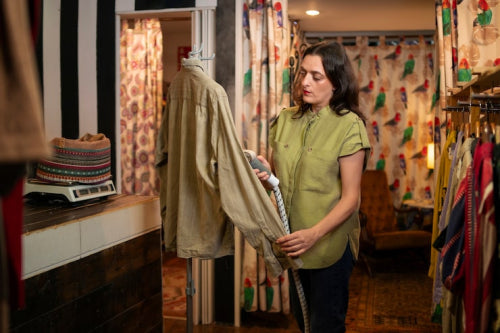
Picture a bustling UK boutique, its racks adorned with vibrant Indian sarees and handwoven cottons, each thread whispering tales of artisans from distant Indian villages. This isn't just fabric it's a testament to centuries-old craftsmanship finding a new audience among UK shoppers hungry for authenticity. As demand for sustainable fashion surges, platforms like IndieHaat are transforming how consumers in the UK access Indian textiles, delivering handcrafted dress materials straight from rural looms to global wardrobes with transparency and care.
India's Textile Legacy Meets UK Appetites
The UK's fashion landscape is shifting. Shoppers are trading fast fashion's fleeting allure for the enduring charm of handmade textiles. Indian dress materials handloom cottons, lustrous silks, and intricately block-printed fabrics are at the heart of this change. The global textile market, valued at USD 1,976.84 billion in 2024, is on track to reach USD 4,016.50 billion by 2034, growing at a compound annual rate of 7.35%, fueled by a global craving for natural fibers. In the UK, the textile market hit USD 35.43 billion in 2024 and is projected to grow at a 2.70% CAGR through 2034, according to market research. Indian exports, particularly to the UK, are poised to benefit, especially with the recent India-UK trade agreement slashing tariffs on textiles by 4-12%.
Enter IndieHaat, a platform bridging UK buyers with India's artisan communities. By sourcing directly from weavers in regions like Kutch and Maheshwar, IndieHaat ensures authenticity and fair trade, offering UK shoppers access to fabrics that embody India's rich textile heritage. From Chanderi silks to khadi cottons, each piece tells a story of tradition and skill, resonating with those seeking sustainable, meaningful purchases.
Slow Fashion's Rise in the UK
UK consumers are embracing slow fashion, drawn to its ethical and sustainable ethos. Indian textiles like ajrakh, with its geometric precision, and Bandhani, with its delicate tie-dye patterns, are gaining traction for their uniqueness. Social media platforms Instagram, Facebook, and YouTube play a pivotal role, with artisans and influencers like ani_lakshmi and drminimalhotra showcasing the meticulous processes behind handweaving and block printing. These platforms educate buyers about fabric origins, fostering a deeper appreciation for the craftsmanship.
IndieHaat capitalizes on this trend, curating pure linen, silk, and cotton fabrics that align with the UK's growing eco-conscious mindset. By highlighting the artisan's region and technique, the platform builds trust, turning purchases into acts of cultural preservation. This transparency is key in markets like the UK, where consumers increasingly prioritize provenance over price.
The Charm of Indian Craftsmanship
Indian dress materials captivate with their versatility and artistry. Handwoven cotton, cool and breathable, suits the UK's mild summers, while silk's luxurious sheen elevates formal wear. Jute, with its earthy texture, finds a place in home decor. These natural fibers, dyed in vibrant hues using traditional techniques like Kalamkari or Bagh prints, carry the soul of India's diverse regions. A sari from Bengal might feature Kantha embroidery, while a dupatta from Rajasthan could boast intricate mirror work.
IndieHaat organizes its offerings by artisan clusters, ensuring a rich variety of styles. A buyer in Birmingham might discover a Banarasi silk for a special occasion, while a London designer might source ikat cotton for a bespoke line. This regional focus not only celebrates India's textile diversity but also channels profits directly to artisan communities, supporting their livelihoods in a competitive global market.
From Village Looms to UK Homes
Imagine a UK shopper browsing IndieHaat's platform, selecting a handwoven silk shawl from Bhagalpur. Detailed descriptions and fabric swatches guide their choice, while rigorous quality checks ensure the product matches its promise. International shipping, though complex, is streamlined with clear timelines and eco-friendly packaging. The shawl arrives, its soft texture and intricate patterns exceeding expectations, a tangible link to an artisan's skill.
This seamless experience has a deeper impact. IndieHaat's direct-to-consumer model ensures artisans earn 30-40% more than through traditional supply chains, bypassing exploitative middlemen. For UK buyers, it's an opportunity to own a unique piece while supporting rural Indian communities. The platform's reach spans key markets like the UK, US, Singapore, Australia, and UAE, with social media amplifying its mission across Instagram, Facebook, and YouTube.
Navigating Challenges in Global Craft Trade
The handmade textile trade isn't without hurdles. UK buyers often balk at the higher prices of artisanal fabrics compared to fast fashion. A handwoven sari, for instance, might cost significantly more than a machine-made alternative due to its labor-intensive creation. Trust issues also loom online shoppers can't touch the fabric, and unfamiliar terms like “zari” or “ajrakh” can confuse. Customs delays and import duties, though eased by the recent trade deal, remain concerns.
IndieHaat addresses these head-on. Transparent pricing explains the value of handmade work, while artisan stories and videos build trust. Fabric swatches and guides clarify terminology, and proactive communication minimizes shipping woes. Still, educating UK buyers about the effort behind a handwoven piece remains a work in progress, one IndieHaat tackles with passion and persistence.
Why Handmade Textiles Are a Smart Investment
IndieHaat's unique strengths direct artisan sourcing, exclusive designs, and pure fabrics set it apart. By eliminating middlemen, it ensures fair wages for artisans while offering UK buyers one-of-a-kind pieces. Boutique designers and resellers, particularly in the UK, value this exclusivity, using IndieHaat's fabrics to craft standout collections. The UK's fashion sector, contributing £62 billion to GDP in 2023, is increasingly embracing ethical fashion, with consumers willing to pay a premium for authenticity.
The India-UK free trade agreement, signed in July 2025, boosts this opportunity. By removing tariffs of up to 12%, it could increase Indian textile exports by Rs 45-70 billion, per industry estimates. India's textile exports to the UK, currently at Rs 160 billion, could rise to Rs 205-230 billion, capturing market share from competitors like China, which faces a 12% import duty. IndieHaat is primed to leverage this, offering duty-free, artisanal fabrics to UK retailers and consumers.
A Timeless Future for Indian Textiles
Indian textiles are more than a trend they're a movement. With the UK textile market projected to reach USD 46.25 billion by 2034, platforms like IndieHaat are redefining global fashion. By prioritizing transparency, quality, and artisan welfare, IndieHaat bridges cultures, bringing India's heritage to UK wardrobes. For buyers, the call is clear: seek authenticity, learn about weaves, and support platforms that empower artisans. As IndieHaat expands its educational efforts and refines its logistics, it's paving the way for Indian dress materials to become a cornerstone of sustainable fashion. In every fold of a handwoven sari lies a story of craft, community, and connection a legacy worth wearing.
Frequently Asked Questions
Where can I buy authentic Indian dress materials in the UK?
You can purchase authentic Indian dress materials through platforms like IndieHaat, which sources directly from artisan communities in regions like Kutch and Maheshwar. These platforms offer handwoven cottons, silks, and block-printed fabrics with full transparency about their origins. By buying from direct-sourcing platforms, you ensure authenticity while supporting fair trade practices that benefit Indian artisans.
How much do handmade Indian textiles cost compared to machine-made alternatives?
Handmade Indian textiles typically cost significantly more than machine-made alternatives due to their labor-intensive creation process, with artisans earning 30-40% more through direct-to-consumer platforms. However, the recent India-UK trade agreement has reduced tariffs by 4-12% on textiles, making authentic Indian dress materials more affordable. The higher price reflects the centuries-old craftsmanship, pure natural fibers, and unique designs that you won't find in fast fashion.
What types of Indian dress materials are best for the UK climate?
For the UK's mild summers, handwoven cotton fabrics like khadi are ideal due to their cool and breathable properties, while luxurious silk materials work perfectly for formal occasions throughout the year. Natural fibers like pure linen offer versatility for various seasons, and jute textiles can be used for home decor. These materials, featuring traditional techniques like Kalamkari or Bagh prints, are dyed with vibrant colors that maintain their quality in the UK's climate.
Disclaimer: The above helpful resources content contains personal opinions and experiences. The information provided is for general knowledge and does not constitute professional advice.
You may also be interested in: Luxurious Camel Leather Bags: Classic Charm|Indiehaat
Fast fashion erodes cultural heritage, sidelining artisans and reducing traditions to trends. At IndieHaat, we champion India's craftspeople with handcrafted sarees, apparel, décor, and skincare rooted in authenticity. Each piece embodies skill and ethical care. Support artisans and preserve India's timeless legacy Shop Now!
Powered by flareAI.co