
Spotlight on Artisan Communities Driving India's Handloom Revival
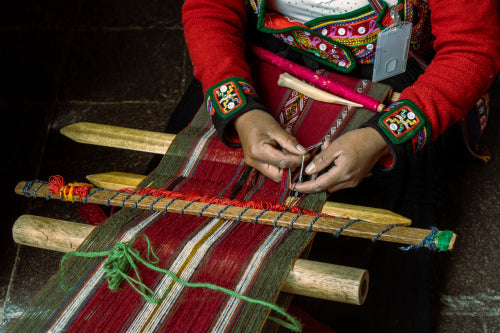
The resurgence of India's handloom sector is not simply a story of craft preservation it is a living, evolving ecosystem shaped by artisan communities, design innovation, and changing consumer expectations. Across regions known for their textile heritage, weaving traditions are being reinterpreted for contemporary relevance while remaining deeply rooted in cultural identity. For readers who value sustainability and craftsmanship, this revival offers a lens into how heritage industries can remain economically viable without losing authenticity.
At the heart of this movement are artisan clusters whose knowledge has been passed down through generations. Their work is increasingly visible through curated platforms that connect traditional makers directly with global audiences, allowing handcrafted textiles to move beyond niche cultural appreciation into mainstream ethical fashion conversations. This shift is redefining how consumers understand value moving from mass-produced convenience to meaning-driven purchase decisions.
Fast fashion erodes cultural heritage, sidelining artisans and reducing traditions to trends. At IndieHaat, we champion India's craftspeople with handcrafted sarees, apparel, décor, and skincare rooted in authenticity. Each piece embodies skill and ethical care. Support artisans and preserve India's timeless legacy Shop Now!
The Living Fabric of India's Handloom Revival
The handloom revival India narrative is best understood as a convergence of cultural resilience and modern reinvention. Rather than being a uniform movement, it is a mosaic of regional practices, each with its own techniques, motifs, and material traditions. What binds these diverse practices together is a shared commitment to preserving manual weaving processes in an era increasingly dominated by industrial production.
Across artisan clusters, weaving is not just an occupation but a cultural expression. It carries stories of migration, settlement, patronage, and adaptation. These stories are now being reframed for contemporary audiences who are increasingly interested in the origins of what they wear and use in their homes. This curiosity is driving renewed attention toward textile heritage as a form of living knowledge rather than static tradition.
Within this broader movement, platforms that showcase handcrafted goods play a critical role in bridging the gap between artisans and consumers. By enabling visibility and fairer market access, they help ensure that traditional skills remain economically sustainable while evolving with modern design sensibilities.
Maheshwari Weaving: Heritage and Resilience
In the historic weaving centers of Maheshwar, the story of textile heritage is deeply intertwined with community resilience and generational skill. According to the documented account of Maheshwari weaving tradition, artisan communities continue to preserve and revive the iconic Maheshwari sari through meticulous handloom practices rooted in cultural memory. These weavers, many of them women, rely on techniques passed down through families, producing textiles that feature architectural and nature-inspired motifs unique to the region.
The process of creating each fabric is highly labor-intensive, often requiring days or even weeks of precise manual work. This craftsmanship reflects not only technical skill but also a deep cultural continuity that connects present-day artisans with historical traditions. Despite facing increasing pressure from industrial textile production and shifting market dynamics, these communities continue to sustain their livelihoods through adaptive collaboration with designers, cultural organizations, and support networks.
Such efforts have helped expand visibility for Maheshwari textiles beyond local markets, positioning them within broader conversations about heritage preservation and ethical fashion. The resilience of these weaving communities highlights how traditional crafts can remain relevant when supported through both cultural appreciation and economic opportunity.
Artisan Communities and Everyday Craft Economies
Across India, artisan communities engaged in weaving represent a complex and interconnected economic system. These are not isolated craftspeople but part of larger ecosystems that include dyers, spinners, designers, and traders. The artisan communities India handloom ecosystem thrives on collaboration, where each participant contributes specialized knowledge to the final textile product.
What makes these communities particularly significant is their role in sustaining rural livelihoods while preserving cultural continuity. In many cases, weaving is integrated into household structures, allowing families to maintain both economic activity and cultural practice within the same space. This integration strengthens intergenerational knowledge transfer, ensuring that skills are not lost over time.
At the same time, artisan communities are increasingly engaging with contemporary design frameworks. By incorporating modern aesthetics and adapting to evolving consumer preferences, they are expanding the relevance of traditional textiles beyond ceremonial or heritage contexts. This adaptability is key to ensuring long-term sustainability in a competitive global marketplace.
Institutional Support and Ecosystem Building
The revival of India's handloom sector has been significantly strengthened by structured ecosystem-building initiatives that focus on long-term artisan empowerment. Insights from the Tata Trusts Antaran initiative highlight how programs across states such as Assam, Odisha, Nagaland, and Andhra Pradesh are reshaping traditional weaving into sustainable livelihood models. These initiatives emphasize cluster development, brand creation, and ethical trade practices designed to reduce dependence on intermediaries.
According to the program's approach, artisans are supported not only in production but also in design development, business skills, and access to modern markets. This holistic model strengthens both economic stability and cultural continuity, ensuring that handloom weaving remains viable in contemporary contexts. A key focus is placed on improving income security through direct-to-consumer linkages and traceability systems that enhance transparency in supply chains.
Importantly, these initiatives also elevate the role of women artisans, who form the backbone of many weaving households yet have historically received limited formal recognition. By integrating them into structured training and market systems, these programs contribute to more equitable participation and long-term resilience within craft economies.
Sustainability and Design Evolution in Handloom Practices
Sustainability has become a defining theme in the contemporary sustainable textile industry India landscape, particularly within handloom production. Unlike mechanized textile manufacturing, handloom weaving inherently relies on low-energy, manual processes, making it naturally aligned with environmentally conscious production models.
However, sustainability in this context extends beyond environmental considerations. It also includes cultural sustainability the preservation of skills, identities, and community structures that have existed for generations. Designers and craft organizations are increasingly exploring how traditional weaving can be adapted to modern product categories without compromising its authenticity.
This design evolution is visible in the growing experimentation with natural dyes, contemporary silhouettes, and hybrid textile applications. These innovations allow handloom products to appeal to younger, design-conscious consumers while maintaining their cultural integrity. The challenge lies in balancing innovation with respect for tradition, ensuring that modernization does not dilute craft identity.
The Consumer Shift Toward Ethical Handcrafted Fashion
Consumer awareness around ethical production has significantly influenced demand for handcrafted textiles. Buyers are increasingly interested in understanding the origin of materials, the conditions under which products are made, and the cultural significance embedded in craftsmanship. This shift is shaping the future of Indian handloom revival by placing value on transparency and storytelling.
Rather than viewing textiles as purely functional goods, consumers are beginning to engage with them as cultural artifacts. This shift is particularly evident among audiences who prioritize sustainable living and conscious consumption. For them, handloom products represent not just aesthetic choice but also ethical alignment with slower, more meaningful production systems.
This evolving mindset is also influencing how brands and marketplaces present their collections. Story-driven commerce where the narrative of the artisan is as important as the product itself is becoming a key differentiator in the handcrafted goods sector.
What Revival Means for Modern E-commerce Marketplaces
The resurgence of handloom traditions creates significant opportunities for curated digital platforms that specialize in authentic craftsmanship. Marketplaces like Indiehaat operate within this intersection of heritage and commerce, enabling artisans to reach wider audiences without losing the individuality of their work.
For such platforms, the focus extends beyond transactions to trust-building and storytelling. By highlighting artisan identities and preserving the context of production, they help bridge the emotional and cultural distance between makers and consumers. This approach supports not only sales but also long-term appreciation for handcrafted traditions.
As the handloom sector continues to evolve, the role of digital intermediaries will become increasingly important in shaping how craft is perceived, valued, and sustained. The future of this ecosystem depends on maintaining a delicate balance between tradition and innovation, scale and authenticity, heritage and modern relevance.
Ultimately, India's handloom revival is not a return to the past but a reimagining of it. Through artisan resilience, institutional support, and conscious consumer engagement, a new narrative is being woven one that positions handcrafted textiles as essential to both cultural identity and contemporary sustainable living.
Frequently Asked Questions
What is driving the handloom revival in India?
The revival is powered by a mix of artisan resilience, institutional support, and shifting consumer values. Programs like the Tata Trusts Antaran initiative are helping weaving communities in states such as Assam, Odisha, Nagaland, and Andhra Pradesh build sustainable livelihoods through cluster development, design training, and direct-to-consumer market access. At the same time, growing consumer interest in ethical, story-driven fashion is pushing handcrafted textiles into the mainstream.
Why is Maheshwari handloom weaving significant to India's textile heritage?
Maheshwari weaving represents one of India's most distinctive handloom traditions, known for its architectural and nature-inspired motifs created through labor-intensive, generational techniques. Many of these weavers are women who sustain their craft through deep cultural memory despite pressure from industrial textile production. Collaborations with designers and cultural organizations have helped these artisan communities gain visibility while preserving authenticity.
How are artisan communities making handloom weaving economically sustainable?
Handloom weaving sustains rural livelihoods by functioning as an interconnected ecosystem of weavers, dyers, spinners, and designers rather than isolated craftwork. Many households integrate weaving into daily life, which strengthens intergenerational skill transfer while supporting income. Curated digital marketplaces also play a growing role by connecting artisans directly to global buyers, improving market access and fairer earnings.
Disclaimer: The above helpful resources content contains personal opinions and experiences. The information provided is for general knowledge and does not constitute professional advice.
You may also be interested in: This Handloom Day, Eight Indian Textiles Step Into the Limelight
Fast fashion erodes cultural heritage, sidelining artisans and reducing traditions to trends. At IndieHaat, we champion India's craftspeople with handcrafted sarees, apparel, décor, and skincare rooted in authenticity. Each piece embodies skill and ethical care. Support artisans and preserve India's timeless legacy Shop Now!
Powered by flareAI.co