
Sustainable Silk Sarees Highlight Indias Weaving Traditions
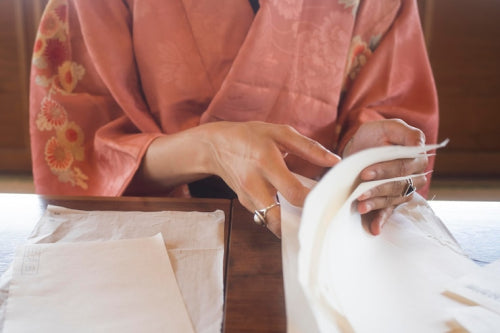
The steady clack of looms echoes through narrow lanes, as artisans weave golden muga silk into sarees that gleam like dawn on the Brahmaputra. These weavers, many supported by platforms like IndieHaat, are not merely crafting fabric; they are threading together a vision of sustainability and cultural preservation. As India's handloom industry navigates the challenges of globalization and mechanization, a powerful movement is taking shape. Eco-conscious consumers, skilled artisans, and innovative marketplaces are revitalizing India's silk weaving traditions, ensuring that these timeless textiles remain vibrant in a modern world. This is more than a fashion story it's a testament to resilience, ethical craftsmanship, and the enduring power of heritage.
The Saree Market's Sustainable Transformation
India's saree industry is experiencing a profound shift, propelled by a growing demand for sustainable practices. A 2024 report from IMARC Group notes that the India saree market was valued at $5.76 billion, with projections to reach $10.33 billion by 2033, driven by a compound annual growth rate of 6.7%. Central to this growth is the rising popularity of handloom sarees, supported by government measures like Geographical Indication (GI) tags and the Handloom Mark, which verify authenticity and bolster weaver's livelihoods. Consumers are increasingly rejecting synthetic, machine-made fabrics in favor of organic, cruelty-free options such as Ahimsa silk, or peace silk, which allows silkworms to complete their natural life cycle without harm.
This trend resonates strongly with younger generations, particularly Gen Z and millennials, who are championing the slow fashion movement. They seek sarees dyed with natural extracts like indigo or turmeric, handwoven in historic hubs such as Kanchipuram in Tamil Nadu or Bhagalpur in Bihar. These garments are more than clothing; they embody the weaver's artistry, regional heritage, and a commitment to environmental stewardship. A Mumbai-based designer observed, “Today's buyers want authenticity and purpose. A sustainable saree isn't just worn it's a statement of values.”
Artisans and Platforms Driving Change
In Assam, the silk industry, centered in Sualkuchi, is a labor-intensive craft producing indigenous varieties like golden muga, white pat, and warm eri silk, a tradition rooted in centuries of expertise. Local weavers are embracing sustainable methods, such as natural dyes and energy-efficient looms, to align with global eco-conscious demands. In Meghalaya, eri silk, known locally as Ryndia, is crafted by tribal communities who raise silkworms on castor leaves, fostering self-sustaining ecosystems that blend tradition with environmental care.
IndieHaat is a linchpin in this transformation, linking artisans directly with consumers in India and abroad. By eliminating exploitative middlemen, the platform ensures fair wages for weavers while providing buyers with authentic, traceable products. Consider the story of a Bhagalpur weaver whose Ahimsa silk sarees, once confined to regional markets, now adorn wardrobes in Paris and Dubai, thanks to IndieHaat's e-commerce innovations like AI-powered customization and virtual try-ons. These tools make sustainable fashion both accessible and engaging, bridging the gap between rural looms and urban closets.
Partnerships between weavers and eco-conscious designers are also reinvigorating traditional patterns. In Uttar Pradesh, Banarasi sarees are being reimagined with subtle, contemporary motifs that appeal to modern sensibilities. Such collaborations ensure that handloom remains a dynamic craft, evolving while staying true to its roots. As one Kanchipuram weaver noted, “We're not just preserving the past; we're weaving for the future.”
Challenges in Scaling Sustainability
The journey toward a sustainable handloom sector is fraught with obstacles. The high cost of eco-friendly materials, such as Ahimsa silk and natural dyes, often results in premium-priced sarees, limiting their appeal to cost-sensitive consumers. A 2025 study on India's textile sector reveals that small and medium enterprises, the backbone of handloom production, face difficulties adopting circular economy models due to inadequate frameworks and resource constraints. Many artisans lack access to training or technology that could enhance sustainable practices without diluting their craft's integrity.
Consumer education remains a critical hurdle. While terms like “handwoven” and “organic” are fashionable, many buyers are unaware of what constitutes true sustainability. Counterfeit handloom products, which imitate artisanal aesthetics but lack ethical credentials, further muddy the waters. IndieHaat counters this through transparent sourcing and detailed product narratives, yet the industry struggles to inform a wider audience.
Mass production poses another threat. Machine-made sarees, often churned out in factories using synthetic fibers, dominate the market with lower prices, undermining artisans. Debi Prasad Patra, director of Garden Vareli, highlighted in a Times of India report that his company's fabrics division is pivoting to ethnic wear, targeting Rs 2,000 crore in retail revenue by 2028-29. While such corporate interest signals opportunity, it also underscores the competitive pressure on small-scale weavers to innovate and differentiate.
Empowering Communities Through Ethical Fashion
Despite these challenges, sustainable silk sarees are unlocking significant opportunities, particularly for rural communities. Women, who form a substantial portion of India's weaving workforce, find empowerment through handloom work. In Bhagalpur, the production of Tussar silk, often using Ahimsa methods, provides not only income but also a sense of agency and pride. This eco-friendly silk, harvested after silkworms complete their lifecycle, appeals to conscious consumers and tourists seeking authentic, sustainable crafts.
The global handloom sarees market, valued at $3.72 billion in 2024, is expected to grow to $7.29 billion by 2032, with a CAGR of 8.99%. Asia Pacific, led by India, commands a 68.82% share, reflecting the region's cultural and economic dominance. This expansion transcends economics, as sarees like Tamil Nadu's Kanjeevarams or Madhya Pradesh's Maheshwaris showcase India's heritage on global runways, blending tradition with modern allure.
IndieHaat's impact extends beyond commerce. By providing artisan training and promoting sustainable sourcing, it fortifies the handloom sector's foundation. Its transparent marketplace, which details each saree's origin, materials, and creator, fosters trust and encourages ethical purchasing. A Sualkuchi weaver shared, “Through IndieHaat, my work reaches people who value it. They don't just buy a saree they honor my craft.”
A Future Woven with Purpose
The outlook for sustainable silk sarees is promising, though it requires sustained effort. Market analyst Sakshi Suryawanshi projects that the Asia Pacific Hermes silk sarees market will grow from $83.8 million in 2025 to $199.9 million by 2032, with a CAGR of 13.2%, signaling robust demand for premium, eco-friendly textiles. This growth reflects a broader hunger for craftsmanship that balances beauty with responsibility.
Consumers play a pivotal role in this evolution. To support artisans, they must prioritize authenticity, seeking certifications like the Handloom Mark and choosing platforms like IndieHaat that champion fair trade. A Kanchipuram weaver encapsulated this sentiment: “Every saree is a piece of our history. When you wear it, you carry our legacy forward.”
Across the looms of Sualkuchi, Bhagalpur, and Kanchipuram, India's weavers are crafting more than textiles they are weaving a narrative of sustainability, empowerment, and cultural pride. Each saree, draped elegantly over a shoulder, tells a story of tradition and progress, proving that heritage can thrive in harmony with the demands of a changing world.
Disclaimer: The above helpful resources content contains personal opinions and experiences. The information provided is for general knowledge and does not constitute professional advice.
You may also be interested in: Indiehaat | Traditional Artisanal Technologies in Handmade
Fast fashion erodes cultural heritage, sidelining artisans and reducing traditions to trends. At IndieHaat, we champion India's craftspeople with handcrafted sarees, apparel, décor, and skincare rooted in authenticity. Each piece embodies skill and ethical care. Support artisans and preserve India's timeless legacy Shop Now!
Powered by flareAI.co