
The Revival of Regional Crafts Through Curated E-Commerce Platforms
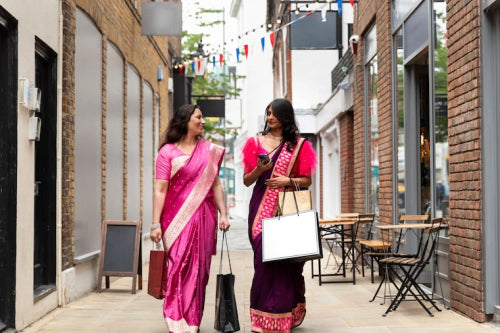
The revival of regional crafts is no longer confined to heritage fairs, museum showcases, or niche collector circles. It is increasingly shaped by how people discover, evaluate, and purchase handmade products in digital environments. As curated platforms reshape access to artisans and their work, traditional craft ecosystems are finding new relevance in a modern, globally connected economy. This shift is not only changing how crafts are sold, but also how they are valued, narrated, and sustained across generations.
Fast fashion erodes cultural heritage, sidelining artisans and reducing traditions to trends. At IndieHaat, we champion India's craftspeople with handcrafted sarees, apparel, décor, and skincare rooted in authenticity. Each piece embodies skill and ethical care. Support artisans and preserve India's timeless legacy Shop Now!
The Quiet Shift in Craft Consumption
Consumer expectations around products have evolved significantly over the past decade. Buyers are no longer driven solely by price or utility; they are increasingly interested in authenticity, ethical sourcing, and the story behind what they purchase. This change has created a natural advantage for handmade goods, where each piece carries individual craftsmanship and cultural meaning.
This transformation has been accelerated by digital discovery. Instead of relying on physical marketplaces or regional exhibitions, consumers now encounter artisan products through curated online environments. As highlighted in e-commerce impact on handmade goods, consumer preferences have shifted markedly toward products with authentic stories, ethical production, and uniqueness, moving away from mass-produced items. This demand for personalization and sustainability has strengthened the handmade sector, while e-commerce platforms have become critical enablers by directly connecting artisans with global buyers. These systems reduce traditional barriers, expand visibility, and allow creators to showcase their skills without intermediaries. At the same time, the rise of online discovery reflects a broader behavioral change where purchasing is increasingly tied to identity, values, and cultural alignment rather than simple consumption. The result is a marketplace where storytelling, heritage, and craftsmanship play a central role in shaping perceived value.
How E-commerce Became an Enabler for Artisans
For decades, one of the biggest challenges faced by artisans was access access to markets, visibility, and fair pricing mechanisms. Traditional supply chains often placed multiple intermediaries between creators and buyers, reducing both earnings and creative autonomy. The emergence of e-commerce has fundamentally altered this structure.
Digital platforms now allow artisans to present their work directly to global audiences without geographic limitations. This direct-to-consumer model improves visibility and helps preserve the integrity of handcrafted goods by reducing dilution through mass distribution channels. According to industry analysis on the handmade sector, e-commerce impact on handmade goods has enabled artisans to maintain steady income streams while building stronger narratives around their craft traditions.
Beyond sales, digital platforms also function as storytelling ecosystems. Product pages are no longer just listings; they are spaces where techniques, materials, and cultural context are communicated to consumers who value depth and meaning in their purchases.
India's Handicraft Economy and Digital Acceleration
India's handicraft ecosystem represents one of the most diverse and culturally rich craft landscapes in the world, spanning textiles, woodwork, metal craft, and regional artisanal traditions. The sector supports millions of artisans, particularly in rural and semi-urban regions, where craft often serves as both cultural identity and economic livelihood.
Recent developments highlight the growing economic relevance of this sector. The industry is estimated to be valued at approximately US $4.56 billion in 2024 and is projected to reach US$8.19 billion by 2033, reflecting steady structural expansion supported by digital access, logistics improvements, and evolving consumer demand.
This growth is reinforced by analysis from digital growth in Indian handicrafts, which explains that India's handicraft sector blends deep cultural heritage with strong economic potential while supporting millions of artisans across rural and semi-urban regions. The sector has gained renewed momentum due to global demand for sustainable handmade goods and increased digital adoption. With rising online accessibility, artisans are increasingly able to reach national and international buyers directly, improving price realization and reducing dependence on intermediaries. Digital platforms are also helping strengthen brand identity for regional crafts, turning traditional skills into globally recognized creative assets. This shift not only enhances artisan incomes but also positions Indian handicrafts as a significant contributor to cultural exports and the broader creative economy.
What makes this shift particularly significant is not just the scale of growth, but the nature of participation. Digital channels are enabling artisans to bypass traditional intermediaries, improve price realization, and establish recognizable craft identities that extend beyond local markets. This evolution is gradually repositioning handicrafts as a competitive segment within the broader creative economy.
From Tradition to Digital Storytelling
One of the most important transformations driven by curated e-commerce platforms is the shift from product-centric selling to story-driven engagement. Handmade goods are inherently tied to place, technique, and cultural memory, but these dimensions often remained invisible in traditional retail settings.
Digital platforms now provide space to communicate these narratives in detail. A handwoven textile is no longer just an accessory; it becomes an expression of regional weaving traditions, generational skill transfer, and material knowledge. This storytelling layer adds emotional and cultural depth, which in turn strengthens consumer connection and perceived value.
At the same time, artisans gain a more empowered position in defining how their work is presented. Instead of adapting to external retail frameworks, they can actively shape their brand identity and highlight the uniqueness of their craft traditions.
The Role of Curated Marketplaces in Craft Revival
Curated e-commerce platforms play a distinct role in bridging the gap between mass digital marketplaces and highly localized craft ecosystems. Unlike generic marketplaces, curated platforms focus on selection, authenticity, and quality assurance, which is critical for maintaining the integrity of handmade goods.
Platforms such as IndieHaat operate within this space by connecting artisans directly with consumers who are actively seeking meaningful, handcrafted products. This model supports not only commercial exchange but also cultural preservation, ensuring that traditional skills remain economically viable in a modern retail environment.
Curated discovery also reduces noise in the digital marketplace. For consumers, it simplifies the process of finding authentic crafts. For artisans, it ensures that their work is presented in contexts that respect its cultural and artistic value rather than reducing it to commoditized listings.
Cultural Preservation Through Digital Commerce
The intersection of culture and commerce is becoming increasingly important in discussions around sustainable development of traditional industries. Handmade crafts are often passed down through generations, but without consistent demand, many of these skills face the risk of decline.
Digital commerce offers a pathway for continuity. By expanding access to broader audiences, artisans can sustain their livelihoods while continuing to practice and teach traditional techniques. This creates a reinforcing cycle where economic viability supports cultural preservation, and cultural richness enhances product appeal.
At a broader level, global audiences are increasingly engaging with regional crafts not just as decorative objects, but as expressions of identity and heritage. This shift is particularly visible among design-conscious consumers and diaspora communities who seek cultural connection through tangible artifacts.
Challenges and the Road Ahead
Despite significant progress, the digital transformation of the handicraft sector is not without challenges. Many artisan communities still face barriers related to digital literacy, logistics infrastructure, and consistent access to technology. These gaps can limit the full potential of e-commerce-driven inclusion.
Another ongoing challenge lies in maintaining authenticity at scale. As demand grows, there is a risk of imitation or mass-produced substitutes entering spaces originally intended for handmade goods. Ensuring trust and verification within curated ecosystems is therefore essential for long-term sustainability.
At the same time, the future presents strong opportunities. Improved logistics networks, growing global interest in sustainable consumption, and increased investment in artisan-focused platforms all point toward a more integrated and resilient craft economy. The key will be balancing scale with integrity, ensuring that growth does not come at the cost of cultural dilution.
Heritage Meets Modern Markets
The revival of regional crafts through curated e-commerce platforms reflects a broader shift in how value is defined in modern commerce. Value is no longer determined solely by scale or efficiency, but by meaning, authenticity, and cultural depth. As digital ecosystems continue to evolve, they are not replacing traditional craftsmanship they are reshaping how it is discovered, supported, and sustained.
For artisans, this transition represents an opportunity to preserve heritage while participating in a global economy. For consumers, it offers a way to engage more consciously with the objects they bring into their lives. And for the craft ecosystem as a whole, it signals a future where tradition and technology operate not in opposition, but in collaboration.
Frequently Asked Questions
How do curated e-commerce platforms help revive regional crafts and support artisans?
Curated e-commerce platforms play a key role in reviving regional crafts by connecting artisans directly with global consumers. This removes traditional intermediaries, allowing creators to earn better income and maintain creative control. These platforms also emphasize storytelling, helping showcase the cultural and historical significance of handmade products, which strengthens their value and appeal. As a result, traditional crafts gain renewed visibility and long-term sustainability in the digital economy.
Why are handmade regional crafts gaining popularity in e-commerce marketplaces?
Handmade regional crafts are gaining popularity because modern consumers increasingly value authenticity, sustainability, and ethical sourcing. Unlike mass-produced goods, handmade products carry unique cultural stories and individual craftsmanship that resonate with conscious buyers. E-commerce platforms make it easier for users to discover these items through curated experiences and digital storytelling. This shift reflects a broader trend where purchasing decisions are influenced by meaning and cultural connection rather than just utility or price.
What challenges do artisans face when selling handmade crafts online and how are they addressed?
Artisans face several challenges when entering digital markets, including limited digital literacy, logistics constraints, and maintaining authenticity at scale. Many also struggle with visibility in crowded online marketplaces dominated by mass-produced goods. Curated e-commerce platforms help address these issues by offering structured onboarding, quality verification, and improved storytelling presentation. Additionally, better logistics networks and growing support for artisan-focused platforms are helping bridge the gap between traditional craftsmanship and modern digital commerce.
Disclaimer: The above helpful resources content contains personal opinions and experiences. The information provided is for general knowledge and does not constitute professional advice.
You may also be interested in: Strategies for Maintaining Authenticity in Artisan Collections
Fast fashion erodes cultural heritage, sidelining artisans and reducing traditions to trends. At IndieHaat, we champion India's craftspeople with handcrafted sarees, apparel, décor, and skincare rooted in authenticity. Each piece embodies skill and ethical care. Support artisans and preserve India's timeless legacy Shop Now!
Powered by flareAI.co