
The Role of Handwoven Textiles in Shaping Indias Fashion Future
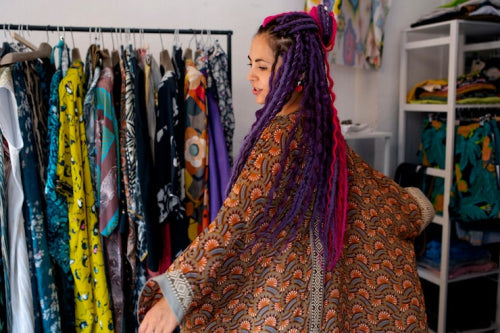
In the heart of Bangalore, the steady rhythm of handlooms echoes through workshops where artisans craft textiles that carry centuries of tradition. These weavers, threading silk and cotton into sarees and linens, are the backbone of IndieHaat, a curated e-commerce platform dedicated to India's handcrafted heritage. As global fashion pivots toward sustainability, India's handwoven textiles sarees, dress materials, and artisanal décor are not just relics of the past but bold statements of the future. With a market projected to soar, can these crafts redefine global style while uplifting the artisans who create them?
Fast fashion erodes cultural heritage, sidelining artisans and reducing traditions to trends. At IndieHaat, we champion India's craftspeople with handcrafted sarees, apparel, décor, and skincare rooted in authenticity. Each piece embodies skill and ethical care. Support artisans and preserve India's timeless legacy Shop Now!
A Heritage Threaded with Resilience
India's handloom industry is a cultural cornerstone, its origins tracing back to the Indus Valley Civilization. Today, it sustains over 3.6 million weavers and allied workers, with rural women comprising 72% of this workforce, per the Fourth All India Handloom Census reported by SaveHandloom.org. Yet, challenges persist. From 1995 to 2020, weaver numbers fell from 4.3 million to 2.6 million, driven by low wages and competition from mechanized power looms. IndieHaat counters this decline by curating ethically sourced apparel, accessories, home décor, and skincare, ensuring artisans receive fair compensation while their work reaches international markets.
The global demand for sustainable fashion is fueling a handloom renaissance. Valued at $8.87 billion in 2025, the handloom product market is expected to grow to $19.69 billion by 2035, with a compound annual growth rate of 8.2%, according to Future Market Insights. Sarees dominate, accounting for 37.5% of the market, with strong growth in North America, Asia-Pacific, and Europe. IndieHaat leverages this trend, offering linen, silk, and cotton textiles that blend cultural authenticity with modern appeal, targeting discerning consumers in India, the US, UK, Singapore, Australia, and the UAE.
Weaving Tradition into High Fashion
Handwoven textiles are no longer confined to traditional wardrobes; they're gracing global runways. Designers are transforming fabrics like Jamdani and Baluchari into contemporary pieces linen sarees styled with blazers or silk scarves as bold accessories. IndieHaat collaborates with artisans to craft unique designs, ensuring each item reflects both heritage and innovation. “We select only the finest handmade products,” the IndieHaat team asserts, addressing consumer concerns about trust by showcasing the artisan's stories on Instagram and YouTube. This transparency builds confidence among buyers wary of online purchases.
Influencers like Anila Ruby Raj and Ani Lakshmi amplify IndieHaat's mission on Instagram, their feeds vibrant with images of handwoven sarees and artisanal décor. These posts don't just market products; they narrate the lives of weavers, resonating with consumers in the US and UK who value authenticity over fast fashion. Platforms like Amazon and India's ONDC Marketplace have expanded IndieHaat's reach, connecting small-scale weavers to global audiences. E-commerce, as noted by Future Market Insights, is a key driver, enhancing market access for artisans and broadening customer reach across urban and international markets.
Navigating the Challenges of Craft
Handwoven textiles face significant hurdles, starting with high pricing. The labor-intensive nature of handweaving where a single saree can take days to create drives costs that challenge budget-conscious shoppers. IndieHaat counters this by emphasizing the value of pure linen, silk, and cotton, which offer unmatched durability and exclusivity. In contrast, India's knitwear hub, Tirupur, is shifting toward synthetic fibers, aiming to increase their market share from 10% to 30% by 2030, per a Times of India report. IndieHaat's commitment to natural fibers distinguishes it, appealing to eco-conscious buyers who prioritize sustainability.
Another obstacle is the inability to touch and feel products online. Shoppers in Singapore or Australia browsing IndieHaat's site can't experience a silk saree's texture firsthand. The brand addresses this with detailed product descriptions, high-resolution images, and artisan videos on social media, creating a near-tactile experience. Trust deficits, a common concern, are mitigated through transparency each product page details the artisan's craft, weaving techniques, and cultural context, fostering confidence among buyers from Dubai to London.
Opportunities for Global Impact
The handloom sector's growth extends beyond economics, carrying profound cultural and social significance. IndieHaat's model empowers artisans, particularly rural women, by providing fair wages and global exposure. India's textiles market is poised for explosive growth, projected to reach $350 billion by 2030, with jute and cotton playing pivotal roles, according to Union Textiles Minister Giriraj Singh in a Times of India article. While jute diversifies into sustainable packaging and geotextiles, handwoven apparel remains a vital segment, blending tradition with innovation.
Social media is a powerful ally. Instagram accounts like Varsha Oak and Dr. Minimal Hotra showcase IndieHaat's offerings, converting followers into customers. YouTube videos offer intimate looks at rural looms, while Facebook sparks conversations about sustainable fashion. These platforms are more than marketing tools they're bridges connecting artisans to global buyers. In markets like the UAE and Australia, where luxury meets ethical consumption, IndieHaat's curated approach positions handwoven textiles as both heirlooms and high fashion, resonating with consumers seeking meaningful purchases.
A Future Woven with Purpose
The handloom industry's future is as vibrant as its fabrics. As sustainability drives consumer choices in India, the US, and beyond, brands like IndieHaat are at the forefront. Experts forecast accelerated growth, fueled by e-commerce and ethical consumption. “Textiles are evolving beyond traditional uses,” says Minister Giriraj Singh, highlighting innovations in cotton and jute that IndieHaat mirrors in its collections. Challenges pricing, trust, and tangibility persist, but IndieHaat's focus on quality, transparency, and storytelling is dismantling these barriers.
Each IndieHaat purchase sustains a weaver's livelihood, preserves a cultural legacy, and tells a story. This isn't just commerce; it's a movement to elevate India's handcrafted heritage on the global stage. As you explore IndieHaat's site or watch a weaver's loom come alive on YouTube, remember: every thread you choose weaves a brighter future for artisans and redefines fashion with purpose. This is the tapestry of tomorrow one where tradition and innovation intertwine to shape a sustainable, stylish world.
Frequently Asked Questions
Why are handwoven textiles becoming popular in sustainable fashion?
Handwoven textiles are gaining traction as consumers shift toward ethical and sustainable fashion choices. The global handloom product market is projected to grow from $8.87 billion in 2025 to $19.69 billion by 2035, driven by demand for authentic, eco-friendly fabrics like silk, cotton, and linen. Unlike synthetic alternatives, handwoven textiles offer durability, cultural authenticity, and support fair wages for over 3.6 million artisans in India, making them both environmentally responsible and socially impactful.
How does IndieHaat ensure quality and authenticity in handwoven products?
IndieHaat curates only the finest handmade items, working directly with artisans to showcase their craft through transparent storytelling on platforms like Instagram and YouTube. Each product features detailed descriptions of weaving techniques, fabric origins, and artisan backgrounds, helping buyers understand the cultural context and craftsmanship behind every piece. This transparency addresses common concerns about online shopping for handwoven textiles, building trust through high-resolution images, artisan videos, and authentic narratives that connect global customers to India's weaving communities.
Are handwoven sarees and textiles worth the higher price compared to machine-made alternatives?
Yes, handwoven textiles offer exceptional value despite higher upfront costs due to their labor-intensive creation process, where a single saree can take days to weave. These pieces are crafted from pure, natural fibers like silk, linen, and cotton, providing unmatched durability, exclusivity, and timeless appeal that fast fashion cannot replicate. Beyond the product itself, purchasing handwoven textiles supports rural artisans particularly women who comprise 72% of the workforce preserving centuries-old traditions while promoting sustainable, ethical fashion that transcends trends.
Disclaimer: The above helpful resources content contains personal opinions and experiences. The information provided is for general knowledge and does not constitute professional advice.
You may also be interested in: What Is Handloom Weaving? A Cultural and Economic Perspective
Fast fashion erodes cultural heritage, sidelining artisans and reducing traditions to trends. At IndieHaat, we champion India's craftspeople with handcrafted sarees, apparel, décor, and skincare rooted in authenticity. Each piece embodies skill and ethical care. Support artisans and preserve India's timeless legacy Shop Now!
Powered by flareAI.co