
How Artisanal Craftsmanship is Changing the Way We Approach Home Decor
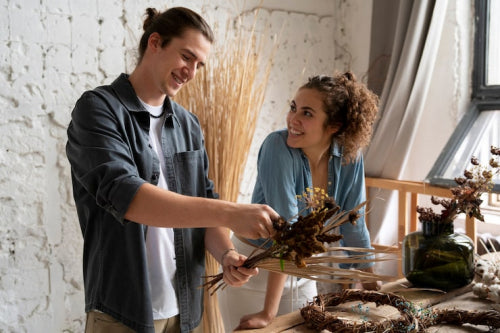
Imagine a home where every piece tells a story where a handwoven linen throw drapes over a sleek modern chair, or a carved wooden tray sits proudly on a dining table, whispering tales of artisans from distant villages. In an era dominated by mass-produced decor, a quiet revolution is unfolding, led by brands like IndieHaat, a Bangalore-based e-commerce platform that's redefining how we think about home decor. By championing India's rich handcrafted traditions, IndieHaat is not just selling products; it's curating a movement rooted in authenticity, sustainability, and cultural pride.
Fast fashion erodes cultural heritage, sidelining artisans and reducing traditions to trends. At IndieHaat, we champion India's craftspeople with handcrafted sarees, apparel, décor, and skincare rooted in authenticity. Each piece embodies skill and ethical care. Support artisans and preserve India's timeless legacy Shop Now!
Artisanal Craftsmanship Reshapes Home Decor: The IndieHaat Revolution
IndieHaat stands apart in a crowded e-commerce landscape. Launched in Bangalore, this curated platform partners directly with artisans to offer handcrafted apparel, accessories, home decor, and artisanal skincare. Every item from a Tussar silk saree to a hand-stitched cotton quilt undergoes a meticulous selection process to ensure quality, cultural authenticity, and ethical production. Unlike mass-market retailers, IndieHaat's mission is to bridge India's creative communities with global audiences in regions like India, the US, Singapore, Australia, the UK, and the UAE. But what's fueling this surge in demand for artisanal home decor, and how is IndieHaat positioning itself as a leader?
A Global Appetite for Handcrafted Elegance
The world is rediscovering the value of handmade goods. The global handicrafts market, valued at USD 739.95 billion in 2024, is projected to reach USD 983.12 billion by 2030, growing at a compound annual growth rate (CAGR) of 4.9%. This growth is driven by a rising preference for unique, culturally significant products that stand in stark contrast to mass-produced alternatives. Consumers in IndieHaat's target markets India, the US, UK, Singapore, Australia, and the UAE are increasingly drawn to eco-friendly products and sustainable fabrics like linen, silk, and cotton, which align with their values of environmental consciousness and individuality.
In the US, for example, the home decor market is set to expand from USD 215.21 billion in 2025 to USD 263.21 billion by 2030, with a CAGR of 4.11%. Trends like floral upholstery are gaining traction, as consumers embrace vibrant, nature-inspired designs to add personality to their spaces. Across the Atlantic, the UK is captivated by the “Châteaucore” aesthetic, a cozy, elegant style inspired by French cottages. Searches for “France cottage decor” have skyrocketed by 26,000%, according to Ideal Home, reflecting a global hunger for decor that feels personal and timeless. IndieHaat's offerings, rooted in authentic Indian textiles, tap into these trends while adding a unique cultural dimension.
In India, the home interiors market is on a remarkable trajectory, expected to double from USD 12.3 billion to USD 24.5 billion by 2030, with a CAGR of 12%. Rising disposable incomes and a desire for personalized, functional spaces are driving this growth, particularly in cities like Bengaluru, where IndieHaat is based. The brand's focus on sustainable fabrics and cultural home decor resonates deeply with Indian consumers who take pride in their heritage, while also appealing to global buyers seeking exclusivity.
Empowering Artisans, Elevating Craft
IndieHaat's strength lies in its artisan-first approach. By working directly with skilled weavers, carvers, and craftspeople, the brand ensures that every product be it a handwoven silk cushion or a carved wooden sculpture embodies India's rich cultural legacy. This direct sourcing model not only preserves traditional techniques but also provides artisans with sustainable livelihoods. For instance, IndieHaat's Tussar sarees, crafted from pure silk by expert weavers, are more than just decor pieces; they're tangible connections to generations of craftsmanship.
Through platforms like Amazon Marketplace and ONDC, IndieHaat brings these artisanal treasures to a global stage. A customer in Australia might order a linen table runner, while someone in the UAE could choose a hand-stitched quilt, each purchase supporting artisans in rural India. This accessibility is key in a world where e-commerce is booming, allowing IndieHaat to bridge the gap between traditional workshops and modern homes. The brand's commitment to artisan empowerment also sets it apart from competitors, offering a level of authenticity that mass retailers can't match.
Overcoming Barriers to Adoption
Despite its appeal, artisanal decor faces challenges in gaining widespread acceptance. High pricing is a significant hurdle, as handcrafted items naturally command a premium due to the time, skill, and materials involved. IndieHaat addresses this by emphasizing the value of its products each piece is a unique creation, not a fleeting trend. To build trust, the brand provides transparent sourcing details and vivid product descriptions, reassuring customers about the authenticity and quality of their purchases.
Another obstacle is the trust deficit common in online shopping. Without the ability to touch or feel a product, consumers may hesitate to invest in a handwoven rug or a silk throw. IndieHaat counters this through its active presence on social media platforms like Instagram, Facebook, and YouTube. Vibrant videos showcasing the intricate process behind a linen saree or artisan interviews bring the craftsmanship to life, creating a virtual sensory experience. This digital storytelling not only builds trust but also engages a global audience, from tech-savvy Singaporeans to design-conscious Brits.
The tactile barrier remains a challenge for e-commerce, as no screen can replicate the feel of authentic textiles. IndieHaat mitigates this by offering detailed imagery and narratives that highlight the texture and quality of materials like linen, silk, and cotton. By focusing on eco-friendly products and cultural home decor, the brand appeals to consumers who value sustainability and individuality over mass-produced alternatives.
Capitalizing on a Booming Market
IndieHaat is well-positioned to seize opportunities in a rapidly growing market. E-commerce adoption is surging in its target regions, driven by increasing internet access and a preference for online shopping. In India, where consumers spend an average of Rs 560 per square foot on home interiors, the demand for personalized, functional spaces is fueling growth. Globally, the rise of eco-consciousness and a desire for unique designs align perfectly with IndieHaat's offerings.
Social media is a powerful tool for IndieHaat, with platforms like Instagram amplifying its reach. Reels showcasing the meticulous process of handweaving a cotton rug or crafting a wooden tray resonate with audiences who crave authenticity. These platforms don't just sell products; they sell a lifestyle one that celebrates sustainability, culture, and craftsmanship. Whether it's a minimalist loft in New York or a sprawling villa in Dubai, IndieHaat's handcrafted home decor fits seamlessly into diverse aesthetics, from bohemian chic to elegant Châteaucore.
A Vision for the Future
As global consumers prioritize sustainability and authenticity, IndieHaat is leading a movement that transcends mere decor. Its model proves that commerce can uplift communities, that beauty can be ethical, and that every purchase can carry meaning. Industry forecasts suggest continued growth in the handmade decor sector, with consumers increasingly valuing quality over quantity. For IndieHaat, the path forward is clear: continue empowering artisans, leveraging e-commerce, and telling stories that resonate across cultures.
In a world craving connection and meaning, IndieHaat's handcrafted pieces offer more than just aesthetic appeal they're a testament to human skill and cultural heritage. From a silk saree repurposed as a wall hanging to a wooden tray that sparks conversation at a dinner party, these creations invite us to rethink how we decorate our homes. As you consider your next decor choice, let IndieHaat remind you: a single artisanal piece can transform a space, honor a tradition, and spark a revolution.
Frequently Asked Questions
What is artisanal home decor and why is it becoming popular?
Artisanal home decor refers to handcrafted items made by skilled craftspeople using traditional techniques, such as handwoven textiles, carved wooden pieces, and hand-stitched linens. It's gaining popularity because consumers are increasingly seeking unique, culturally significant products that reflect sustainability and authenticity, moving away from mass-produced alternatives. The global handicrafts market is projected to reach USD 983.12 billion by 2030, driven by this growing demand for eco-friendly, personalized home decor.
How does IndieHaat support artisans while selling handcrafted home decor?
IndieHaat works directly with skilled weavers, carvers, and craftspeople across India, ensuring they receive sustainable livelihoods while preserving traditional techniques. By eliminating intermediaries and partnering directly with artisans, the platform guarantees that each product—from Tussar silk sarees to hand-stitched quilts—embodies authentic Indian craftsmanship. This artisan-first approach not only empowers rural communities but also provides customers with unique, ethically-produced pieces that carry cultural significance.
What makes handcrafted home decor more expensive than mass-produced items?
Handcrafted home decor commands a premium price because each piece requires significant time, specialized skills, and high-quality materials like pure silk, linen, and cotton. Unlike factory-made products, artisanal items are unique creations that involve meticulous craftsmanship passed down through generations. The higher cost reflects the value of supporting traditional techniques, ensuring fair wages for artisans, and owning a one-of-a-kind piece with cultural authenticity rather than a fleeting mass-market trend.
Disclaimer: The above helpful resources content contains personal opinions and experiences. The information provided is for general knowledge and does not constitute professional advice.
You may also be interested in: Five Festive Fashion Trends for 2025 – Indiehaat.com
Fast fashion erodes cultural heritage, sidelining artisans and reducing traditions to trends. At IndieHaat, we champion India's craftspeople with handcrafted sarees, apparel, décor, and skincare rooted in authenticity. Each piece embodies skill and ethical care. Support artisans and preserve India's timeless legacy Shop Now!
Powered by flareAI.co