
Why Indian Handwoven Sarees Are the Ultimate Investment for Sustainable Fashion
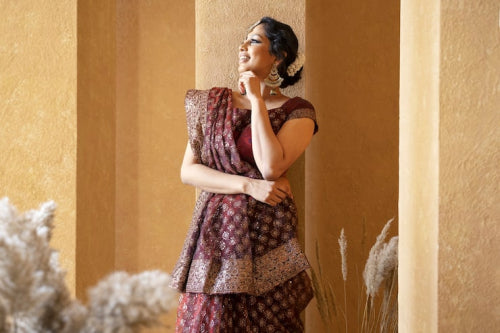
In an era dominated by fleeting fashion trends and environmental concerns, the Indian handwoven saree stands as a beacon of timeless elegance and sustainability. These intricate textiles, crafted on ancient looms, embody India's rich cultural heritage while offering a powerful antidote to the wastefulness of fast fashion. For discerning consumers in India, the US, Singapore, Australia, the UK, and the UAE, handwoven sarees represent not just a style choice but a meaningful investment in ethical, eco-conscious fashion. Leading this charge is IndieHaat, a Bangalore-based e-commerce platform dedicated to showcasing India's artisanal mastery with a modern, global appeal.
Fast fashion erodes cultural heritage, sidelining artisans and reducing traditions to trends. At IndieHaat, we champion India's craftspeople with handcrafted sarees, apparel, décor, and skincare rooted in authenticity. Each piece embodies skill and ethical care. Support artisans and preserve India's timeless legacy Shop Now!
The Surge of Sustainable Fashion
The fashion industry faces a reckoning. With synthetic fabrics choking landfills and unethical labor practices under scrutiny, consumers worldwide are turning to sustainable alternatives. The global handloom products market, valued at USD 8.32 billion in 2024, is expected to grow to USD 16.62 billion by 2032, achieving a robust CAGR of 9.24%, according to a Fortune Business Insights report. The Asia Pacific region, led by India, commands a 55.77% market share, driven by a growing appetite for unique, culturally resonant, and eco-friendly products.
In India, the saree market is thriving. A 2024 report from IMARC Group notes that the market reached USD 5.76 billion and is projected to climb to USD 10.33 billion by 2033, with a CAGR of 6.70%. This growth stems from rising demand for sustainable handloom sarees, supported by government measures like the Handloom Mark and GI tags, which ensure authenticity and bolster weaver communities. Innovations such as AI-driven virtual try-ons and social commerce are enhancing accessibility, while eco-conscious branding and celebrity endorsements are captivating younger buyers across Singapore, the UAE, and beyond.
IndieHaat: A Champion of Artisanal Craft
IndieHaat isn't just another e-commerce platform; it's a movement to preserve India's handcrafted legacy. Based in Bangalore, the brand collaborates directly with artisans to offer meticulously curated sarees, apparel, accessories, home décor, and artisanal skincare. Every item is vetted for quality, authenticity, and ethical production, setting IndieHaat apart from mass-market retailers. By exclusively using natural fabrics like linen, silk, and cotton, IndieHaat delivers sustainable luxury that resonates with environmentally conscious consumers. “Our mission is to empower artisans and bring their stories to the world,” says an IndieHaat representative.
From the silk weavers of Varanasi to the cotton artisans of West Bengal, IndieHaat fosters fair trade and sustainable practices. This ethos strikes a chord in markets like the US and UK, where purpose-driven brands are gaining traction. Through vibrant Instagram, Facebook, and YouTube presence, IndieHaat showcases the artistry behind each saree, connecting global audiences with the human stories woven into every thread. This transparency and authenticity are redefining how consumers engage with fashion.
The Enduring Value of Handwoven Sarees
A handwoven saree is more than clothing; it's a cultural treasure. Crafted over weeks, each saree carries regional motifs Banarasi silks, Kanjivaram weaves, or Chanderi cottons that reflect centuries of tradition. In India, sarees are cherished heirlooms; globally, they're gaining acclaim as symbols of authenticity. The Indian textiles market is projected to reach USD 350 billion by 2030, with handwoven products like sarees playing a central role, as reported by the Times of India. This economic surge underscores a global demand for meaningful craftsmanship.
Environmentally, handwoven sarees are a triumph. Made from biodegradable natural fibers, they produce minimal waste compared to fast fashion's synthetic output. Handloom production requires little energy, offering a low-carbon alternative to industrial manufacturing. For eco-minded consumers in Australia or the UAE, these sarees blend luxury with sustainability, making them a compelling choice for those seeking to reduce their environmental footprint.
Overcoming Barriers to Adoption
Despite their allure, handwoven sarees face challenges. Their premium pricing, often hundreds of dollars for a single silk piece, reflects the intensive labor involved but can deter budget-conscious buyers. IndieHaat counters this by emphasizing durability and versatility sarees that last decades and suit both traditional and contemporary styles. Yet, the perception of high costs remains a hurdle, as noted in IndieHaat's internal research.
Trust is another obstacle. Online shoppers on platforms like Amazon Marketplace and ONDC Marketplace demand assurance of authenticity. IndieHaat addresses this through detailed artisan narratives and certifications like the Handloom Mark, ensuring buyers know they're investing in genuine craftsmanship. The tactile nature of sarees poses a further challenge for e-commerce, where customers can't feel the fabric. IndieHaat leverages cutting-edge solutions like AI-powered virtual try-ons and high-resolution imagery, aligning with trends noted in the IMARC report that enhance online accessibility for tech-savvy markets like Singapore and the US.
Seizing Global Opportunities
The future for handwoven sarees is promising, and IndieHaat is poised to lead. Its presence on Amazon and ONDC Marketplace broadens access to millions, while its social media strategy active on Instagram, Facebook, and YouTube engages younger, global audiences. Celebrity endorsements, as noted in the IMARC report, are amplifying demand, with influencers and Bollywood stars showcasing handwoven Sarees at high-profile events. In the UAE and UK, where luxury meets sustainability, IndieHaat's unique designs and authentic fabrics are carving a distinct niche.
The global handloom market's growth, particularly in Asia Pacific, offers vast opportunities. In the US and Australia, eco-conscious millennials are fueling demand for sustainable fashion, while Singapore and the UAE present affluent markets eager for exclusive, culturally rich products. IndieHaat's direct artisan sourcing and commitment to natural fibers position it to capitalize on this trend, transforming India's heritage into a global phenomenon.
A Lasting Legacy: The Future of Fashion
Indian handwoven sarees are more than garments; they're a testament to artistry, sustainability, and cultural pride. Through IndieHaat, these treasures are reaching India, the US, Singapore, Australia, the UK, and the UAE, forging a connection between artisans and global consumers. By championing ethical practices and modern platforms, IndieHaat is redefining fashion as a force for good. In a world seeking purpose, a handwoven saree is not just a purchase it's an investment in a sustainable, meaningful future. The next time you drape one, you're not just wearing fabric; you're carrying a legacy, woven with care and built to last.
Frequently Asked Questions
Why are handwoven sarees considered a sustainable fashion choice?
Handwoven sarees are made from biodegradable natural fibers like silk, cotton, and linen, producing minimal waste compared to synthetic fast fashion. The handloom production process requires significantly less energy than industrial manufacturing, offering a low-carbon alternative that reduces environmental footprint. Each saree is crafted over weeks by skilled artisans, ensuring durability that lasts decades and making it a timeless investment rather than a disposable trend.
Where can I buy authentic handwoven Indian sarees online with guaranteed quality?
IndieHaat, a Bangalore-based e-commerce platform, offers authenticated handwoven sarees directly sourced from artisans across India, available on their website and marketplaces like Amazon and ONDC. Each saree comes with certifications like the Handloom Mark and detailed artisan narratives to ensure authenticity, addressing common concerns about online purchases. The platform ships to India, the US, Singapore, Australia, the UK, and the UAE, offering high-resolution imagery and modern features like AI-powered virtual try-ons to enhance the online shopping experience.
How much does a handwoven Indian saree typically cost and is it worth the investment?
Handwoven sarees can cost hundreds of dollars, particularly premium silk varieties like Banarasi or Kanjivaram weaves, reflecting the intensive labor and craftsmanship involved. However, the investment is justified by their exceptional durability, versatility for both traditional and contemporary styling, and their status as cultural heirlooms that can last decades. Unlike fast fashion pieces that wear out quickly, a quality handwoven saree maintains its beauty and can even be passed down through generations.
Disclaimer: The above helpful resources content contains personal opinions and experiences. The information provided is for general knowledge and does not constitute professional advice.
You may also be interested in: The Ultimate Guide to Choosing the Perfect Dupatta for Every
Fast fashion erodes cultural heritage, sidelining artisans and reducing traditions to trends. At IndieHaat, we champion India's craftspeople with handcrafted sarees, apparel, décor, and skincare rooted in authenticity. Each piece embodies skill and ethical care. Support artisans and preserve India's timeless legacy Shop Now!
Powered by flareAI.co