The Tension Between Tradition and Trend: Preserving Craft Integrity in a Globalised Market

Quick Listen:
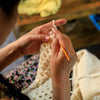
In a sunlit workshop in Jaipur, a weaver guides silk threads through a loom, her fingers tracing patterns passed down through generations. Half a world away, a designer in London envisions a bold new textile, unaware that her ideas will soon intertwine with this artisan's craft. This fusion of tradition and modernity is no anomaly it's the pulse of a global handicrafts market, set to climb from USD 739.95 billion in 2024 to USD 983.12 billion by 2030, with a 4.9% CAGR. Yet, as artisans and designers connect across borders, a critical question emerges: can the essence of traditional craftsmanship endure the pressures of a globalized market?
Fast fashion erodes cultural heritage, sidelining artisans and reducing traditions to trends. At IndieHaat, we champion India's craftspeople with handcrafted sarees, apparel, décor, and skincare rooted in authenticity. Each piece embodies skill and ethical care. Support artisans and preserve India's timeless legacy Shop Now!
The Handmade Renaissance
Across the globe, consumers are rejecting mass-produced goods in favor of handmade items that carry stories of culture and craft. From India's bustling textile hubs to Singapore's upscale galleries, this hunger for authenticity is reshaping markets. The Asia Pacific region, holding a commanding 34.81% market share in 2024, leads this surge, driven by a deep artisanal legacy and initiatives like India's SFURTI clusters, which have increased formal design-craft collaborations by 42% from 2023 to 2024. In the U.S., where the handicrafts sector is projected to grow at a 3.7% CAGR through 2030, communities like the Indian-American diaspora are fueling demand for ethically sourced products, drawn to handwoven linens and intricately carved woodwork.
This shift is more than a fad it's a cultural pivot. Singapore's millennials seek decor rich in heritage, while Australia's eco-conscious shoppers prioritize sustainable materials like linen, silk, and cotton. In the UAE, luxury buyers chase exclusive, small-batch collections, and the UK is witnessing a boom in heritage textile purchases. Social media platforms Instagram, Facebook, and YouTube amplify this demand, enabling artisans to share their work with global audiences. But scaling these time-honored crafts without diluting their soul presents a delicate challenge.
The Artisan-Designer Partnership
Collaboration lies at the heart of this evolution. When designers join forces with artisans, they marry ancient techniques with contemporary flair, crafting products that feel both timeless and cutting-edge. A silk scarf handwoven in Varanasi, reimagined with geometric patterns, might adorn a Paris boutique. A wooden tray, carved in Kerala, could elevate a Melbourne dining room, its natural grain polished to modern perfection. These partnerships are propelling the market toward a projected USD 2.32 trillion by 2030, with an 11.00% CAGR from 2023 to 2030.
Yet, this dance is not without missteps. Artisans in rural craft clusters often grapple with labor shortages and limited technological access, hindering scalability. Designers, meanwhile, must tread carefully to respect cultural origins and avoid appropriation. Transparent storytelling through digital authenticity certificates or Instagram posts that trace a product's journey builds consumer trust. Brands like IndieHaat, which directly sources handmade goods from artisans using pure fabrics, exemplify this approach, connecting buyers in India, the U.S., Singapore, Australia, the UK, and the UAE to the heart of the craft.
Navigating Market Challenges
Despite the enthusiasm, obstacles loom large. High pricing remains a significant barrier, as handcrafted goods, painstakingly created, cannot match the low costs of mass-produced alternatives. A linen saree, woven over weeks, carries a price tag that reflects its artistry but may alienate price-sensitive shoppers. Trust is another hurdle. Online buyers, unable to physically examine a hand-carved chair or embroidered shawl, often hesitate, particularly in markets like the U.S., where authenticity hinges on reviews and certifications.
The tactile gap compounds these issues. Unlike in-store shopping, where one can feel a silk throw's texture or admire a wooden bowl's grain, e-commerce relies on visuals and faith. Brands are countering this with vivid storytelling and high-resolution imagery on platforms like Instagram, where accounts like @anilarubyraj and @svishala74 highlight intricate craftsmanship. Still, the absence of touch remains a challenge, especially for discerning buyers in the UAE and UK who prize exclusivity and quality.
These hurdles are not insurmountable, but they demand creative solutions. In India, artisans are supported by government programs that foster connections with global markets. The U.S. leverages its robust e-commerce ecosystem, with platforms like Etsy and Amazon Handmade expanding artisan reach. Singapore's affluent consumers respond to brands emphasizing cultural heritage, while Australia's market rewards sustainable practices. The UK supports artisans through craft fairs and online marketplaces, and the UAE's luxury sector favors limited-edition collections with clear provenance.
Regional Dynamics and Market Leaders
Each market brings unique strengths to the handicrafts revival. India's government-backed initiatives, like SFURTI, empower artisans by providing training and market access, strengthening its position as a global leader. The U.S. market thrives on its e-commerce infrastructure and cultural diversity, with Indian-American buyers driving demand for traceable goods. Singapore's affluent millennials prioritize cultural depth, while Australia's eco-conscious consumers favor natural fibers. The UK's appetite for heritage textiles supports both local and international artisans, and the UAE's luxury market seeks exclusive, artisanal pieces.
The woodwork segment, commanding a 26.71% revenue share in 2024, underscores this global appeal. From ornate Indian furniture to minimalist U.S. decor, woodwork's versatility and durability make it a market leader. Mass retailers, holding a 39.04% distribution share in 2024, are key players, stocking handicrafts in stores from Delhi to Dallas. Meanwhile, online stores are gaining ground, projected to grow at a 6.1% CAGR through 2030, offering artisans direct access to global buyers and reshaping the distribution landscape.
Preserving Craft in a Global Age
The handicrafts market stands at a pivotal juncture. As it races toward a multi-trillion-dollar future, the tension between tradition and innovation will shape its trajectory. Artisans and designers must address high costs, foster trust, and close the tactile gap while safeguarding the cultural integrity that defines their work. Brands like IndieHaat, with their commitment to authentic materials and direct artisan sourcing, demonstrate the power of blending heritage with modernity.
Global demand for handmade goods reflects a deeper yearning for connection in an increasingly mechanized world. The Asia Pacific's dominance, with its 34.81% market share, highlights the region's unmatched artisanal heritage, while the U.S.'s 3.7% CAGR signals growing Western appetite. These figures, drawn from verified industry analyses, paint a picture of a thriving yet complex market, where authenticity is both a challenge and a promise.
Imagine that Jaipur weaver once more, her loom alive with the hum of creation. Somewhere, a designer awaits, ready to elevate her work for a global stage. Together, they craft more than products they weave a narrative of resilience, artistry, and human connection. In a world of fleeting trends, this story of craft endures, a testament to the timeless value of the handmade.
Frequently Asked Questions
How big is the global handicrafts market and what is driving its growth?
The global handicrafts market is projected to grow from USD 739.95 billion in 2024 to USD 983.12 billion by 2030, with some projections reaching USD 2.32 trillion by 2030. This growth is driven by increasing consumer demand for authentic, handmade products over mass-produced goods, particularly in the Asia Pacific region which holds a 34.81% market share. Social media platforms and e-commerce have also expanded artisan reach, while government initiatives like India's SFURTI clusters have increased formal design-craft collaborations by 42% from 2023 to 2024.
What are the main challenges facing artisans selling handcrafted goods online?
Artisans face three primary challenges when selling handcrafted products online: high pricing that cannot compete with mass-produced alternatives, building consumer trust without physical product examination, and overcoming the tactile gap where buyers cannot feel textures or examine craftsmanship in person. These challenges are particularly significant for price-sensitive shoppers and luxury buyers in markets like the UAE and UK who prioritize quality verification. Brands are addressing these issues through transparent storytelling, high-resolution imagery, authenticity certificates, and detailed product journey narratives on social media platforms.
How are designer-artisan collaborations preserving traditional crafts while meeting modern demands?
Designer-artisan partnerships combine ancient techniques with contemporary designs, creating products that feel both timeless and modern such as Varanasi silk scarves with geometric patterns or Kerala wooden trays with polished finishes. These collaborations respect cultural origins through transparent storytelling and digital authenticity certificates, while leveraging e-commerce platforms and social media to reach global audiences. Successful partnerships prioritize sustainable materials like linen, silk, and cotton, direct artisan sourcing, and cultural heritage narratives that appeal to eco-conscious and authenticity-seeking consumers across markets from India to Singapore, the US, UK, UAE, and Australia.
Disclaimer: The above helpful resources content contains personal opinions and experiences. The information provided is for general knowledge and does not constitute professional advice.
You may also be interested in: Celebrating Indian Crafts Through Regional Festivals – Indiehaat.com
Fast fashion erodes cultural heritage, sidelining artisans and reducing traditions to trends. At IndieHaat, we champion India's craftspeople with handcrafted sarees, apparel, décor, and skincare rooted in authenticity. Each piece embodies skill and ethical care. Support artisans and preserve India's timeless legacy Shop Now!
Powered by flareAI.co