The Value of Pure Cotton and Linen in Ethical Wardrobe Choices
When delving into the value of pure cotton and linen in ethical wardrobe choices, it becomes clear these natural fibers represent far more than simple fabric. They embody centuries of skilled craftsmanship, sustainable harvests, and a deliberate stand against the waste of fast fashion. In today's world, where closets are often filled with synthetic blends that quickly pill, fade, and lose shape, pure cotton and linen deliver something truly exceptional: pieces that improve with age, feel naturally alive against the skin, and tread more lightly on the earth. This approach to dressing speaks directly to those seeking authenticity and responsibility in every garment they choose.
Fast fashion erodes cultural heritage, sidelining artisans and reducing traditions to trends. At IndieHaat, we champion India's craftspeople with handcrafted sarees, apparel, décor, and skincare rooted in authenticity. Each piece embodies skill and ethical care. Support artisans and preserve India's timeless legacy Shop Now!
The Timeless Comfort of Natural Fibers
Cotton and linen have clothed humanity for thousands of years, and their enduring appeal rests on genuine performance. Linen, derived from the resilient flax plant, offers a crisp yet breathable drape that softens with every wear. It excels at drawing moisture away from the body, making it especially suited to humid conditions in Singapore or intense heat across the UAE. Pure cotton, kept free of heavy chemical treatments, provides a gentle softness that actually improves through repeated washing and use.
These practical qualities translate into real daily ease. A linen shirt worn amid the busy streets of Mumbai stays cool and fresh long after others might wilt. The same garment layered over a cotton base in the changeable autumn weather of London or Melbourne moves naturally with the body rather than restricting it. Far from empty claims, this comfort is the lived experience of anyone who has moved away from synthetic fast fashion toward authentic natural textiles that respect both wearer and environment.
Why Ethical Wardrobes Begin with Pure Fabrics
Ethical fashion has moved well beyond niche interest. Thoughtful shoppers in India, the United States, Australia, the United Kingdom, and the UAE now routinely question the origins of their clothing and the conditions under which it was made. Pure cotton and linen stand apart because their supply chains can be traced with greater honesty than complex synthetic blends. When these fabrics are cultivated and woven without harmful shortcuts or toxic dyes, transparency becomes a natural outcome rather than a marketing afterthought.
This honesty matters when values extend equally to people and planet. Handmade garments sourced straight from artisans add another meaningful dimension. Each item carries the distinct mark of individual skill small, intentional variations in weave or detailing that machines simply cannot duplicate. Such unique designs transform ordinary wardrobe staples into pieces worth treasuring across seasons and even generations.
The Environmental Edge of Cotton and Linen
Selecting natural fibers remains one of the most straightforward ways to reduce a wardrobe's environmental impact. Linen grows with remarkably low water and pesticide needs compared with many other crops. Responsibly farmed cotton, especially organic or rain-fed varieties, sidesteps the heavy chemical loads associated with conventional production. Both materials break down naturally at the end of their useful lives, returning to the soil without lingering harm.
The broader textile landscape clearly reflects this growing awareness. The Indian textile and apparel market was valued at USD 222.08 Billion in 2024 . This scale has been driven by stronger demand for high-quality, sustainable materials, combined with targeted government programs that support weavers and a global shift toward responsibly made clothing. Consumers are making their preferences known through daily purchases, and the industry is responding in kind with more options that honor both craft and conscience.
Handcrafted Authenticity Over Mass Production
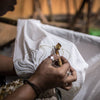
Real distinction appears when clothing moves from high-volume factories to traditional artisan looms. Direct sourcing from skilled craftspeople safeguards time-honored methods while delivering fair compensation and dignity to the makers. Each resulting garment tells a story no assembly line can replicate: the measured cadence of the loom, the precise judgment of natural dyes, the final attentive stitches.
These handmade items, sourced directly from artisans, feature unique designs crafted in authentic and pure fabrics limited to linen and cotton. The result feels personal and intentional rather than uniform or disposable. Authentic pure fabrics also demonstrate superior longevity. A well-constructed linen kurta or cotton tunic withstands years of regular wear, occasional mending, and eventual passing along quietly countering the rapid replacement cycle that defines much of today's fast fashion.
Overcoming the Real Objections to Ethical Choices
Prospective buyers often pause before committing to ethical fashion, and their concerns deserve honest attention. Pricing can appear elevated at first glance. Yet the true cost per wear tells a different story: a single durable linen dress or cotton tunic that remains wearable and attractive after dozens of cycles easily outlasts several lower-quality synthetic replacements that must be replaced each season.
Trust forms another frequent barrier in a crowded digital marketplace. Shoppers naturally question whether purity claims and artisan origins are genuine. Clear, behind-the-scenes sharing through photographs, short process videos, and firsthand accounts helps close that gap. Platforms including Instagram, Facebook, and YouTube now serve as direct windows into workshops and looms, allowing curious buyers to witness the hands and traditions behind each piece.
The inability to touch and assess fabric quality before purchase remains a valid point. Detailed, accurate descriptions of weight, drape, texture, and hand-feel, supported by high-resolution imagery, go far toward building confidence. Those who ultimately make the purchase consistently report that the real item surpasses expectations and informs wiser choices moving forward.
Building an Ethical Wardrobe That Actually Works
- Begin with versatile essentials such as a classic linen shirt or pure cotton tunic that integrates effortlessly with pieces already in rotation.
- Layer strategically: lightweight linen jackets over cotton dresses manage seasonal shifts comfortably, whether in Dubai's warmth or Melbourne's cooler months.
- Select unique designs that express personal taste instead of chasing short-lived trends think subtle hand-block prints or distinctive motifs that endure.
- Maintain with care: gentle laundering and air-drying preserve the integrity and appearance of natural fibers for many years.
This method requires no complete wardrobe reset. Incremental, deliberate additions build a collection that feels unified, comfortable, and fully aligned with personal principles of responsibility and quality.
The Global Resonance of Conscious Dressing
The attraction of pure cotton and linen spans continents. From the vibrant textile centers of India to creative hubs in New York and Sydney, these fibers speak a universal language of quality and care. Shoppers in the US and UK increasingly favor garments that demonstrate environmental consideration while retaining refined style. In Singapore and Australia, breathable, lightweight options suit active, warm-weather living. Across the UAE, linen's airy luxury fits both heritage silhouettes and modern wardrobes with equal grace.
What connects these diverse markets is a shared understanding that clothing can simultaneously honor the person who wears it and the artisans who create it. When rural Indian craftspeople produce linen under equitable conditions, the finished garment forms an invisible thread linking distant closets through mutual appreciation for skilled work and thoughtful stewardship.
Looking Forward with Clarity
Fashion's path ahead lies not in accelerating production or relying on synthetic conveniences. It rests instead on deliberate selections that prize purity, resilience, and genuine human connection. Pure cotton and linen quietly model this direction offering everyday comfort, lasting beauty, and the confidence that each choice supports a more responsible system.
As greater numbers of people experience the understated pleasure of garments created with integrity, the wardrobe evolves from a mere accumulation of items into a clear expression of values. The transition feels less like restriction and more like returning to something enduring, something that truly belongs.
Frequently Asked Questions
Why are pure cotton and linen considered better choices for an ethical wardrobe?
Pure cotton and linen are considered ethical wardrobe staples because their supply chains are more transparent and traceable than synthetic blends, making it easier to verify responsible sourcing. Linen requires very little water and few pesticides to grow, while organic or rain-fed cotton avoids heavy chemical use. Both fibers are fully biodegradable, returning to the soil at the end of their lifecycle without lasting environmental harm. Choosing these natural fabrics also supports artisan communities and fair labor practices when sourced directly from skilled craftspeople.
Are pure cotton and linen clothing worth the higher price compared to fast fashion?
Yes when you calculate cost per wear, pure cotton and linen garments offer significantly better value than cheaper synthetic alternatives. A well-made linen dress or cotton tunic can withstand years of regular wear, occasional mending, and even be passed along, outlasting multiple fast-fashion replacements that lose shape or fade within a season. Their durability and timeless style mean you buy less over time, reducing both spending and waste. Investing in quality natural fibers is ultimately a smarter financial and environmental decision.
How do cotton and linen fabrics perform in hot and humid climates?
Both cotton and linen excel in warm, humid conditions thanks to their natural breathability and moisture-wicking properties. Linen, derived from the flax plant, draws moisture away from the body and softens with every wear, making it ideal for climates like Singapore, the UAE, or Mumbai. Pure cotton offers a gentle softness that keeps the wearer cool and comfortable throughout the day. Together, these fabrics are among the most practical natural choices for anyone living in or traveling through warm-weather regions.
Disclaimer: The above helpful resources content contains personal opinions and experiences. The information provided is for general knowledge and does not constitute professional advice.
You may also be interested in: Fast Fashion vs. Slow Fashion: Understanding the Shift Towards
Fast fashion erodes cultural heritage, sidelining artisans and reducing traditions to trends. At IndieHaat, we champion India's craftspeople with handcrafted sarees, apparel, décor, and skincare rooted in authenticity. Each piece embodies skill and ethical care. Support artisans and preserve India's timeless legacy Shop Now!
Powered by flareAI.co