Variations in Saree Draping by Region
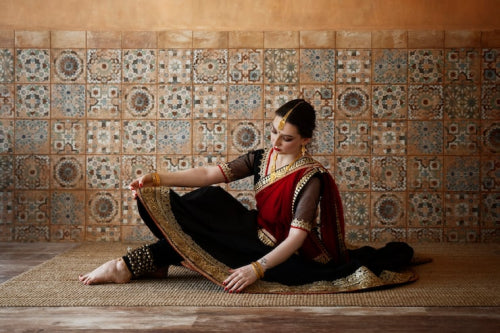
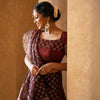
Imagine stepping into a vibrant market in Kolkata, where a woman expertly wraps a vivid Tant saree around herself, its pleats cascading smoothly as she gears up for the festivities of Durga Puja. Far away in Maharashtra, a Lavani performer spins gracefully in a colorful nine-yard Nauvari, her steps fluid thanks to the clever folds that allow unrestricted motion. The saree, this enduring symbol of Indian attire, transcends mere cloth it's a vibrant expression of culture, molded by geography, weather, and customs. Every draping method narrates a tale, interlacing heritage and personal identity within those iconic six yards of sophistication.
Fast fashion erodes cultural heritage, sidelining artisans and reducing traditions to trends. At IndieHaat, we champion India's craftspeople with handcrafted sarees, apparel, décor, and skincare rooted in authenticity. Each piece embodies skill and ethical care. Support artisans and preserve India's timeless legacy Shop Now!
Regional Saree Draping: A Rich Cultural Mosaic
The saree stands as a profound emblem of India's multifaceted heritage, offering countless adaptations across the nation. Spanning from Assam's verdant landscapes to Gujarat's dry expanses, these regional draping styles mirror everyday lives, environmental factors, and artistic sensibilities. As detailed in coverage from The Times of India, variations such as the timeless Nivi, energetic Nauvari, and unique Coorgi method represent an extraordinary fusion, converting textile into displays of poise and utility. Far from being simple clothing choices, these approaches serve as dynamic records of India's ancestral legacy, with each tuck honoring age-old practices that have endured through time.
On platforms dedicated to genuine artisanal clothing like IndieHaat, the spotlight shines brightly on the saree's geographical variety. Through highlighting handcrafted textiles and instructional guides on draping, these outlets are safeguarding such customs in an era leaning toward quick, disposable trends. What exactly draws people to these draping techniques, and what's fueling their current resurgence?
To delve deeper, consider how these styles have evolved. The Nivi, originating from Andhra Pradesh and Telangana, features precise front pleats with the pallu gracefully over the left shoulder, making it versatile for both formal occasions and daily use. It's particularly accommodating for breathable cottons or luxurious silks. In contrast, the Bengali Aatpoure involves tucking on the right with ample front pleats, allowing the pallu to flow loosely or loop back, creating a relaxed yet statuesque silhouette ideal for humid climates.
Moving westward, the Gujarati Seedha Pallu brings the ornate end forward over the right shoulder, emphasizing intricate borders and embroideries, perfect for celebratory events where the saree's artistry takes center stage. The Maharashtrian Nauvari, or Kaashtha, employs a longer nine-yard fabric passed between the legs and secured at the back, resembling a dhoti for enhanced mobility historically suited for fieldwork or dance, now a badge of cultural honor at weddings and gatherings.
In southern India, the Tamil Madisar, another nine-yard variant, is draped with exacting detail, combining lower dhoti elements with upper saree flows, holding profound ritual value among Brahmin groups for ceremonies. Sub-variations exist between Iyer and Iyengar communities, often matched with specialized silks. Finally, the Coorgi or Kodagu style from Karnataka reverses pleats and pins the pallu on the right, designed for rugged hills and active lifestyles, offering a secure, crisp appearance.
The Contemporary Resurgence of Timeless Techniques
Social platforms have injected fresh vitality into saree draping practices. Short videos on Instagram and in-depth guides on YouTube spotlight the refinement of a Bengali Aatpoure or the architectural precision of a Tamil Madisar, amassing vast audiences. Younger generations, motivated by heritage events and cinema's enduring romance with sarees, are innovating by fusing these methods with current elements think bold belts, short tops, or even fusion jewelry. Fashion creators are also rediscovering overlooked drapes, presenting them afresh on catwalks with innovative interpretations that honor roots while appealing to modern tastes.
This revival aligns with a thriving sector for artisanal textiles. Insights from the IMARC Group report reveal that the India saree market achieved USD 5.76 billion in 2024, with projections to climb to USD 10.33 billion by 2033 at a compound annual growth rate of 6.70% from 2025 onward. This expansion stems from heightened interest in eco-friendly handloom pieces, bolstered by official programs including geographical indication tags and the Handloom Mark scheme, which validate origins and uplift artisan communities. With 944.7 million internet users and more than 150 million digital shoppers, the swift embrace of online retail enhanced by artificial intelligence for personalization, digital fitting rooms, and interactive social buying has expanded reach and ease for consumers.
Furthermore, handloom exports reached USD 10.94 billion in the 2023 fiscal year, underscoring global appeal. The e-commerce landscape in India is set to surge to USD 345 billion by 2030 and USD 550 billion by 2035, facilitating greater access to these cultural treasures. Shifts in buyer tastes favor responsible manufacturing, skilled handiwork, and tailored designs, with star promotions and green marketing drawing in millennials and Gen Z.
On a worldwide scale, the handloom saree industry is flourishing equally. Per the Fortune Business Insights analysis, the market stood at USD 3.72 billion in 2024, anticipated to advance from USD 3.99 billion in 2025 to USD 7.29 billion by 2032, registering a CAGR of 8.99%. The Asia Pacific region commanded a 68.82% portion in 2024, valued at USD 2.56 billion a rise from USD 2.38 billion the prior year propelled by robust local consumption and campaigns like “Vocal for Local.” These sarees, fashioned via ancient weaving methods, embody artistry and poise, encompassing varieties such as Kanjeevaram, Maheshwari, and Banarasi that echo local essences.
Predominant fabrics include cotton for its airiness, especially during festivals and nuptials, alongside silk, linen, and wool. Sales channels favor physical stores for their specialized offerings, yet online avenues are expanding swiftly due to competitive pricing and assortment. Momentum comes from the escalating allure of ethnic wear, investments from authorities and businesses, and digital promotion boosting visibility. Emerging patterns involve sustainable materials and packaging, as seen in efforts by entities like Maheshwari Handloom and BHOLI SAREES. Notable updates include Chhunchi's e-store debut in November 2024 and RmKV's natural-dye silk collection in October 2024. However, challenges persist with elevated prices from intensive labor and quality inputs.
Draping Narratives: Regional Tales Unfolded
India's diverse terrains dictate unique saree wraps, tailored to weather, occupations, and societal norms. Bengal favors the Nivi and Aatpoure for their comfort in steamy conditions the Nivi's structured pleats shine at Durga Puja, while Aatpoure's gentle cascades suit routine elegance. Weaving hubs in Kolkata and Murshidabad sustain these legacies, handing down expertise across eras.
Maharashtra's Nauvari exemplifies practicality, its pant-like configuration enabling agility for agrarian tasks or rhythmic Lavani. It now embodies regional dignity at festivities, with Pune and Kolhapur artisans producing detailed edges that captivate under illumination. Tamil Nadu's Madisar, with its ceremonial accuracy, resonates in Brahmin rituals, complemented by Kanchipuram's opulent silks.
Gujarat's Seedha Pallu, front-draped to flaunt designs, energizes Navratri dances like garba. Assam's Mekhela Chador, akin yet unique, features elaborate patterns from Sualkuchi's looms. These crafting centers form the core of India's textile economy, yet safeguarding them demands vigilance amid evolving dynamics.
To enrich understanding, let's explore further. The Coorgi style's backward pleats and pinned pallu adapt to Karnataka's highlands, ensuring stability for daily activities. Such adaptations highlight how drapes aren't arbitrary but purposeful, addressing practicalities while enhancing beauty. Cultural festivals amplify these, with Durga Puja in Bengal or Navratri in Gujarat turning streets into showcases of draped splendor.
Navigating Hurdles: Heritage Under Pressure
Global style shifts endanger these draping customs. Youth, enticed by international apparel, frequently dismiss traditional methods as cumbersome or passé. Mass production homogenizes offerings, overshadowing bespoke handlooms and eroding genuineness. Craftspeople grapple with rivalry, while urban dwellers lose touch with elaborate techniques like Madisar or Nauvari, opting for straightforward Nivi instead.
This erosion threatens invaluable cultural assets, as each style threads India's historical narrative. Economic pressures compound issues, with artisans facing inconsistent incomes and dwindling apprentices. Climate change impacts raw materials, like silk or cotton yields, adding layers of vulnerability to these age-old practices.
Seizing Prospects: Embracing Digital Evolution
Optimism prevails, however. Digital marketplaces such as IndieHaat are closing divides by providing expert tutorials that simplify regional drapes. Linking purchases with demonstrations on Seedha Pallu or Mekhela Chador renders heritage approachable. Alliances with creators and online personalities elevate these, presenting their distinctiveness worldwide.
Eco-conscious handmade sarees are in high demand, syncing with sustainability drives. IndieHaat's narrative emphasis on origins connects with domestic and overseas audiences. Businesses are adopting these for gifts, valuing their symbolic depth. Official efforts, as per IMARC insights, via schemes like NHDP, RMSS, mega cluster funding of INR 30 crore, and 15% yarn aids, fortify the sector, guaranteeing artisan welfare and innovation.
Moreover, social media's role in marketing cannot be understated, with influencers demonstrating drapes to global viewers, fostering appreciation and sales. E-commerce's growth, projected to massive scales, ensures wider distribution, while AI tools personalize experiences, from virtual trials to custom designs.
Weaving Tomorrow: A Lasting Legacy
Authorities in culture view saree draping beyond mere dress it's an ethereal legacy linking eras. Industry forecasters anticipate a worldwide boom, positioning sarees as eco-smart, adaptable clothing. Outlets like IndieHaat lead by merging online tales with craft collaborations, sustaining vibrancy.
Envision a millennial in New York adorning a Banarasi in Nivi for a celebration, or a Mumbai artist perfecting Nauvari's assertive creases. These instances, though modest, perpetuate the saree's essence. It's more than material a chronicle, a custom, a lifestyle. With dedicated weavers, enthusiasts, and advocates, India's draping diversities will persist in enchanting, fold by fold.
Frequently Asked Questions
What are the most popular regional saree draping styles in India?
The most popular regional saree draping styles include the Nivi from Andhra Pradesh (featuring front pleats with pallu over left shoulder), the Bengali Aatpoure (tucked on the right with loose flowing pallu), the Maharashtrian Nauvari (nine-yard style for enhanced mobility), and the Gujarati Seedha Pallu (pallu draped forward over right shoulder). Each style reflects the local climate, culture, and practical needs of its region, making them both functional and culturally significant.
How has social media influenced the revival of traditional saree draping techniques?
Social media platforms like Instagram and YouTube have breathed new life into traditional saree draping by featuring tutorial videos and style guides that reach younger audiences globally. Fashion influencers are showcasing regional drapes like the Tamil Madisar and Coorgi style, often fusion them with modern elements like bold belts or contemporary jewelry. This digital exposure has made heritage draping techniques more accessible and appealing to millennials and Gen Z, contributing to the growing saree market projected to reach USD 10.33 billion by 2033.
Why do different Indian regions have unique saree draping styles?
Regional saree draping styles evolved based on local climate, occupation, and cultural needs. For example, Bengal's humid climate favors the comfortable Nivi and Aatpoure styles, while Maharashtra's Nauvari allows freedom of movement for agricultural work and traditional Lavani dance. Gujarat's Seedha Pallu showcases intricate embroidery perfect for festive occasions, and Karnataka's Coorgi style adapts to hilly terrain with secure pleats and pinned pallu. These variations demonstrate how practical considerations and cultural traditions shaped each region's distinctive draping methods.
Disclaimer: The above helpful resources content contains personal opinions and experiences. The information provided is for general knowledge and does not constitute professional advice.
You may also be interested in: Organza Silk Sarees: A Journey Through History and Craftsmanship
Fast fashion erodes cultural heritage, sidelining artisans and reducing traditions to trends. At IndieHaat, we champion India's craftspeople with handcrafted sarees, apparel, décor, and skincare rooted in authenticity. Each piece embodies skill and ethical care. Support artisans and preserve India's timeless legacy Shop Now!
Powered by flareAI.co