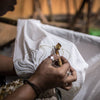
What Features Matter Most in Handmade Fashion

Quick Listen:
Handmade fashion stands apart because every piece carries evidence of human skill, thoughtful design, and a connection between maker and wearer. For shoppers exploring artisan clothing and accessories, the value of a handmade piece is not only found in its appearance but also in the details behind its creation. Understanding the features of handmade fashion helps buyers recognise quality, appreciate traditional techniques, and choose garments that offer lasting meaning beyond seasonal trends.
Fast fashion erodes cultural heritage, sidelining artisans and reducing traditions to trends. At IndieHaat, we champion India's craftspeople with handcrafted sarees, apparel, décor, and skincare rooted in authenticity. Each piece embodies skill and ethical care. Support artisans and preserve India's timeless legacy Shop Now!
Craftsmanship Defines the Value of Handmade Fashion
One of the most important qualities of handmade clothing is the level of craftsmanship involved in creating each piece. Unlike factory-made garments designed for uniform production, handmade fashion often reflects the maker's individual skills, attention to detail, and understanding of materials. The finishing, construction methods, and small design decisions can reveal the expertise behind a garment.
Craftsmanship can include weaving, embroidery, fabric manipulation, stitching methods, and other specialised techniques developed through years of practice. These skills often represent knowledge passed between generations, making the creation process part of the product's identity. The preservation of artisan techniques remains an important conversation within fashion because traditional skills contribute cultural value and individuality to handmade pieces. Preserving artisan craftsmanship highlights how specialised craft knowledge helps distinguish handmade products from mass-produced alternatives.
When evaluating handmade fashion, shoppers should look beyond surface appearance. Strong craftsmanship is reflected in careful construction, balanced design, neat finishing, and the way different elements of a garment work together. These details help determine whether a piece is designed for long-term appreciation rather than short-term use.
Material Selection Influences Comfort and Longevity
Materials play a central role in determining the experience of wearing handmade fashion. The choice of fabric, texture, and finishing techniques affects comfort, appearance, durability, and how a garment fits into a customer's lifestyle.
Quality handmade garments often begin with thoughtful material selection. Natural textures, carefully chosen fabrics, and skilled handling of materials can create pieces that feel distinctive while maintaining practical usability. A well-made handmade garment should not only look appealing but also support everyday wear through comfort and reliability.
For shoppers learning how to identify quality handmade garments, examining the relationship between materials and construction is useful. A beautiful fabric alone does not define quality; the way it is shaped, stitched, layered, and finished determines how successfully the final piece performs.
Materials also contribute to the story behind a product. Handmade fashion often attracts customers who want a closer understanding of what they purchase, including the techniques, resources, and creative decisions involved in making each item. This awareness encourages more thoughtful buying decisions and helps shoppers value the work behind artisan products.
Unique Design Details Create Individuality
Another defining feature of handmade fashion is originality. Many shoppers choose artisan-made pieces because they want designs that feel personal rather than identical to widely available mass-produced styles.
Handmade details such as embroidery, handcrafted patterns, unique textures, and specialised embellishments can give garments a distinct character. These elements allow traditional skills to be adapted into contemporary designs that suit modern preferences while maintaining a connection to cultural techniques.
The renewed interest in craft-based styles shows how customers are drawn to fashion that includes visible human creativity. Techniques such as crochet demonstrate how handmade methods can create individuality, texture, and emotional connection when combined with modern silhouettes. Renewed handcrafted styles reflects how traditional methods continue to influence contemporary fashion choices.
For buyers, originality does not necessarily mean complexity. A simple handmade accessory with thoughtful detailing can feel more meaningful than a heavily designed item without a clear creative identity. The most valuable pieces often balance aesthetics, functionality, and the maker's unique perspective.
Traditional Techniques Add Cultural Meaning
Traditional techniques are among the most significant handcrafted fashion characteristics because they connect clothing with history, communities, and creative knowledge. Many artisan methods are shaped by regional practices, family traditions, and specialised skills developed over time.
When shoppers choose handmade fashion, they are often looking for more than a garment. They are interested in the story behind the piece, the effort involved in creating it, and the cultural significance represented through its design. This connection can make handmade clothing feel more personal and memorable.
Traditional techniques in handmade clothing can also inspire modern fashion by bringing heritage elements into everyday wardrobes. Designers and artisans can adapt established methods into contemporary styles, allowing craft traditions to remain relevant while meeting changing customer expectations.
Understanding these techniques helps customers recognise why handmade products may differ from standardised fashion items. Variations created through manual processes are not imperfections; they are often signs of authenticity and the maker's individual approach.
Comfort, Functionality, and Everyday Wear Matter
While artistry is a major attraction, practical features remain essential when choosing handmade fashion. A garment should fit comfortably, support regular use, and suit the wearer's personal style. The strongest handmade pieces combine creative expression with everyday functionality.
Customers evaluating artisan fashion craftsmanship should consider factors such as fit, versatility, ease of maintenance, and how the piece complements existing wardrobes. A thoughtfully created garment can become a reliable part of daily dressing rather than an item reserved only for special occasions.
This balance between beauty and usability is especially important as shoppers become more selective about the products they bring into their wardrobes. Handmade fashion succeeds when craftsmanship supports real-life needs while preserving the creative qualities that make each piece distinctive.
For example, an embroidered garment may attract attention because of its visual detail, but its long-term value depends on how well those details are integrated into the overall construction. Similarly, an accessory may stand out because of its design, but quality materials and careful finishing determine whether it remains useful over time.
Storytelling and Transparency Build Customer Connection
One reason handmade fashion continues to interest modern shoppers is the connection it creates between creators and customers. Buyers often want to understand who made a product, how it was created, and what makes it different from conventional alternatives.
Product stories can highlight the skills, methods, and creative decisions involved in making handmade pieces. This information allows customers to appreciate the work behind the final product and understand why craftsmanship is an important part of the buying decision.
For handmade fashion brands and artisan marketplaces, communicating these details clearly helps customers recognise the benefits of handmade fashion products. Explaining materials, techniques, and design inspiration can create trust while helping shoppers make informed choices.
Transparency also supports more meaningful consumption habits. Instead of focusing only on quantity or short-lived trends, customers can evaluate pieces based on craftsmanship, purpose, and personal connection.
How to Choose Handmade Fashion with Confidence
Choosing handmade fashion involves looking at several features together rather than judging a piece by one element alone. A thoughtful evaluation process can help shoppers identify garments and accessories that reflect genuine craftsmanship and long-term value.
- Examine construction quality: Look at stitching, finishing, and overall attention to detail.
- Understand the materials: Consider how fabric choices influence comfort, durability, and appearance.
- Appreciate design originality: Look for details that show creative skill and individual expression.
- Learn about techniques: Explore the traditional methods and skills involved in creating the piece.
- Consider practical use: Choose items that fit your lifestyle and wardrobe needs.
These considerations make it easier to distinguish thoughtfully made artisan products from items that simply imitate handmade aesthetics. The goal is not only to purchase something visually attractive but to understand the craftsmanship and creative effort represented by each piece.
As interest in meaningful fashion choices continues, handmade clothing and accessories offer an opportunity to value creativity, cultural knowledge, and skilled production. The most memorable pieces often combine strong construction, thoughtful materials, distinctive design, and a story that connects the maker with the wearer.
Understanding what makes handmade fashion unique allows shoppers to make more informed decisions and appreciate the qualities that set artisan products apart. From traditional techniques and careful craftsmanship to personal design details and material choices, handmade fashion represents a thoughtful approach to clothing that values creativity and human expertise.
Frequently Asked Questions
What features matter most in handmade fashion?
The most important features of handmade fashion include craftsmanship, material quality, unique design details, traditional techniques, and practical comfort. These elements help shoppers identify well-made artisan pieces that offer individuality, durability, and a meaningful connection to the maker.
How can you identify quality handmade garments?
You can identify quality handmade garments by examining construction details, stitching, fabric selection, finishing, and the techniques used to create the piece. Understanding these handcrafted fashion characteristics helps buyers recognise authentic workmanship and long-term value.
Why are traditional techniques important in handmade clothing?
Traditional techniques in handmade clothing preserve cultural knowledge and showcase the skills passed through generations of artisans. They add originality, storytelling, and authenticity to fashion pieces while helping shoppers understand what makes handmade fashion unique.
Disclaimer: The above helpful resources content contains personal opinions and experiences. The information provided is for general knowledge and does not constitute professional advice.
You may also be interested in: What Is Ethical E-commerce and Why It Matters - Indiehaat.com
Fast fashion erodes cultural heritage, sidelining artisans and reducing traditions to trends. At IndieHaat, we champion India's craftspeople with handcrafted sarees, apparel, décor, and skincare rooted in authenticity. Each piece embodies skill and ethical care. Support artisans and preserve India's timeless legacy Shop Now!
Powered by flareAI.co