
What to Review Before Buying Handcrafted Accessories
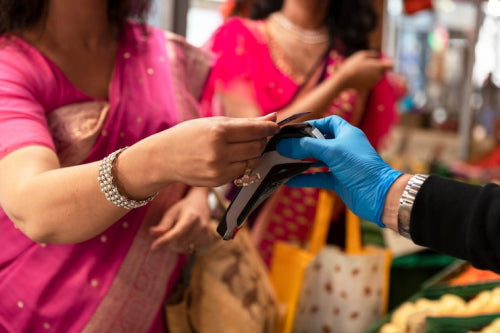
Buying handcrafted accessories involves more than selecting a design that catches the eye. Handmade pieces often carry details that are not immediately visible in photographs, from the quality of materials and finishing techniques to the skill behind the creation process. For shoppers exploring artisan-made products, understanding what to review before making a purchase helps ensure the accessory matches their expectations in terms of authenticity, durability, and value.
A thoughtful buying process also creates a stronger connection between customers and craftspeople. Unlike mass-produced items, handcrafted accessories often reflect individual skills, traditional methods, and creative choices. Whether choosing jewellery, bags, textiles, or other artisan creations, knowing how to evaluate these details can help shoppers make more informed decisions.
Fast fashion erodes cultural heritage, sidelining artisans and reducing traditions to trends. At IndieHaat, we champion India's craftspeople with handcrafted sarees, apparel, décor, and skincare rooted in authenticity. Each piece embodies skill and ethical care. Support artisans and preserve India's timeless legacy Shop Now!
Look Beyond Appearance and Understand the Craftsmanship
The first step in choosing handmade accessories is to look beyond the visual appeal. A well-designed piece may attract attention, but the craftsmanship behind it determines how meaningful and durable the product will be over time.
Handcrafted products often involve specialised techniques developed through years of practice. Buyers should consider how the accessory was made, whether the construction appears carefully executed, and whether the design reflects genuine creative effort. Details such as stitching quality, surface finishing, symmetry, and overall construction can reveal the level of attention invested in the piece.
For shoppers following a handmade accessory buying guide, craftsmanship should be one of the first evaluation points. A product description that explains the making process, materials, and artisan approach provides useful context and helps buyers understand the value behind the item.
Review Materials, Durability, and Everyday Use
Materials play an important role in determining how an accessory performs over time. Before purchasing, buyers should review what materials are used, how they are maintained, and whether they suit their intended purpose.
For example, an accessory designed for frequent use should be evaluated differently from a decorative piece intended for occasional wear. Buyers can consider questions such as whether the material is suitable for daily handling, whether the finishing is designed to last, and whether care instructions are clearly provided.
Understanding quality factors for handcrafted accessories helps shoppers move beyond impulse purchases. Material transparency allows customers to make choices based on practical needs while appreciating the techniques and resources involved in creating handmade items.
Check for Authenticity and Artisan Information
One of the most important parts of purchasing handmade products is understanding authenticity. A handcrafted accessory should offer meaningful information about its origin, creation process, and the people involved in making it.
Digital marketplaces have expanded opportunities for craftspeople to connect with customers beyond their local communities, but they also create challenges around visibility, storytelling, and helping shoppers recognise genuine handmade value. Online artisan marketplaces increasingly need to provide clearer information so customers can understand the difference between handmade creations and mass-produced alternatives.
When considering how to identify authentic handmade products, buyers should review whether sellers provide details about craftsmanship, sourcing, production methods, and the creative background behind the product. Clear information builds confidence and allows customers to appreciate the work involved rather than judging only by appearance or price.
Understand the Story Behind the Design
Handcrafted accessories often carry cultural, artistic, or personal meaning that adds value beyond their physical features. The story behind a design can help buyers understand why a particular piece stands apart.
Many artisan products represent traditional skills, regional influences, and creative interpretations passed through generations. Learning about these elements allows shoppers to make purchases that feel more connected to the maker and the craft itself.
Modern accessory buyers are also paying closer attention to factors such as craftsmanship, responsible sourcing, and the meaning behind their purchases. Changing jewellery priorities show how customers are increasingly considering factors beyond appearance, including where products come from and how they are created.
This approach changes the way buyers evaluate accessories. Instead of asking only whether an item matches a current style preference, they can also consider whether it represents skilled work, thoughtful design, and lasting personal value.
Ask Important Questions Before Making a Purchase
A few simple questions can help shoppers make better decisions when selecting artisan-made accessories. Before buying, consider asking:
- What materials are used to create the accessory?
- How was the product made?
- Who created the piece and what techniques were used?
- How should the accessory be cared for?
- Is the design handmade, handcrafted, or produced using a combination of methods?
These questions help buyers evaluate products more carefully and understand what they are purchasing. They are especially useful when comparing different handmade options that may look similar but differ significantly in quality, construction, and craftsmanship.
Knowing the questions to ask before buying artisan products also encourages more transparent conversations between shoppers and sellers. Better information benefits both sides by helping customers find products that meet their expectations while allowing craftspeople to communicate the value of their work.
Consider Value Instead of Only Price
Price is an important consideration, but it should not be the only factor when evaluating handcrafted accessories. Handmade products may involve skilled labour, carefully selected materials, and time-intensive techniques that are not reflected in the pricing of mass-produced alternatives.
A lower price does not always indicate better value, just as a higher price does not automatically guarantee quality. Buyers should consider the overall balance between craftsmanship, durability, design, materials, and the information available about the product.
For shoppers learning how to choose handmade accessories, value comes from understanding what makes each piece unique. A well-made accessory that aligns with personal style and lasts through regular use can provide greater satisfaction than an item selected only because of a temporary trend or discount.
Make More Informed Choices When Buying Handcrafted Accessories
Choosing handcrafted accessories requires attention to details that are easy to overlook. Reviewing craftsmanship, materials, authenticity, design stories, and practical use helps shoppers identify products that offer genuine value.
For customers interested in Indian handcrafted accessories, this evaluation process also creates a deeper appreciation for the skills and traditions behind artisan-made products. A careful review does not make purchasing more complicated; it helps buyers understand the creativity, effort, and expertise represented in each piece.
As handmade shopping continues to connect customers with craftspeople through digital platforms, informed buyers can play an important role in supporting meaningful craftsmanship. By knowing what to review before buying, shoppers can choose accessories that reflect quality, authenticity, and personal connection.
Frequently Asked Questions
What should I check before buying handcrafted accessories?
Before buying handcrafted accessories, review the materials, craftsmanship, finishing quality, durability, and information about the maker. Checking these details helps you understand the authenticity and value of the piece before making a purchase.
How can I identify authentic handmade products?
You can identify authentic handmade products by reviewing details about the artisan, production methods, materials used, and the story behind the design. Transparent information about craftsmanship and sourcing can help distinguish genuine handmade items from mass-produced alternatives.
How do I choose handmade accessories that offer good value?
To choose handmade accessories with good value, consider the balance between design, quality, durability, materials, and craftsmanship rather than focusing only on price. A thoughtfully made accessory can provide lasting satisfaction when it matches your style and practical needs.
Disclaimer: The above helpful resources content contains personal opinions and experiences. The information provided is for general knowledge and does not constitute professional advice.
You may also be interested in: IndieHaat Authentic. Indian. Handmade: Directly Sourced from
Fast fashion erodes cultural heritage, sidelining artisans and reducing traditions to trends. At IndieHaat, we champion India's craftspeople with handcrafted sarees, apparel, décor, and skincare rooted in authenticity. Each piece embodies skill and ethical care. Support artisans and preserve India's timeless legacy Shop Now!
Powered by flareAI.co