Why People Are Choosing Handmade Over Machine-Made
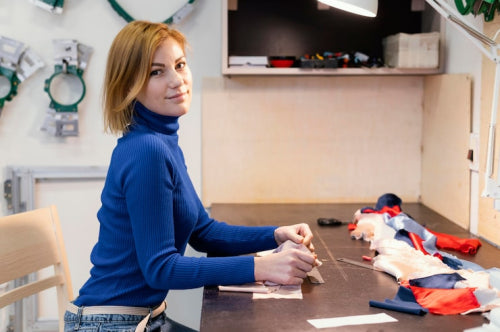
Quick Listen:
In today's era of mass-produced uniformity, a subtle yet profound shift is underway in shopping habits across continents. From bustling markets in Mumbai to upscale boutiques in New York, Melbourne, and Dubai, consumers increasingly favor the subtle imperfections of handmade goods the irregular weave, the hand-applied glaze, the unique brushstroke that signals human craftsmanship over the flawless repetition of machine-made items. This preference stems not from sentimentality alone but from a deliberate pursuit of sustainability, genuine authenticity, and deeper personal meaning.
The movement spans key markets: India, the US, the UK, Singapore, Australia, and the UAE. In these regions, buyers actively support artisanal products that reflect ethical values and cultural depth. Curated e-commerce platforms like IndieHaat, specializing in handmade and artisanal offerings rooted in India's vibrant craft heritage, serve as vital bridges, linking skilled artisans with global consumers who prioritize provenance and purpose over mere convenience.
Fast fashion erodes cultural heritage, sidelining artisans and reducing traditions to trends. At IndieHaat, we champion India's craftspeople with handcrafted sarees, apparel, décor, and skincare rooted in authenticity. Each piece embodies skill and ethical care. Support artisans and preserve India's timeless legacy Shop Now!
The Growing Appeal of Sustainability
Environmental responsibility ranks among the primary drivers. Handmade production typically relies on small-scale, low-energy methods that stand in stark contrast to the intensive resource consumption of industrial manufacturing.
In India, studies from the Ministry of Environment and premier management institutions demonstrate that handloom and handicraft processes consume far less energy than factory-based alternatives, while supporting millions in rural economies with reduced ecological impact.
University research in the UK and Australia reinforces this perception, with consumers associating artisan-made items with lower carbon emissions and minimal waste generation positioning such purchases as practical contributions to sustainability.
In the US and Singapore, consumer surveys indicate greater confidence in small-batch production, often linked to ethical and environmentally aware standards. The UAE advances this through official sustainability policies that promote responsible sourcing across lifestyle categories, making imported handmade goods a natural fit.
This shared momentum appears in broader market data. The global handicrafts sector, valued at approximately USD 1,107.67 billion in 2024 according to Fortune Business Insights, is projected to reach USD 2,397.15 billion by 2032, expanding at a CAGR of 10.15% from 2025 onward, propelled largely by demand for lower-impact, sustainable alternatives.
Seeking Authenticity and Cultural Resonance
Beyond ecological concerns, consumers yearn for connection. Handcrafted items carry narratives of inherited skills, local traditions, and individual stories that factory lines simply cannot replicate.
India exemplifies this strength, boasting Geographical Indication-tagged crafts and time-honored techniques such as regional embroidery and handloom weaving, actively promoted by government bodies to safeguard cultural identities.
Retail analyses in the US and UK identify transparency around origin and artisan stories as decisive factors in purchases; buyers seek to understand the “who” and “why” behind each piece.
In the multicultural landscapes of Singapore and the UAE, premium retail channels reveal strong interest in heritage-inspired products that infuse contemporary spaces with historical and cross-cultural richness. The outcome is clear: a growing inclination toward goods that feel intimate, meaningful, and distinctly human rather than interchangeable.
Handmade Presence in Fashion, Home Décor, and Lifestyle
This evolution manifests prominently in apparel and interior categories. Within India, handloom sarees and intricately embroidered clothing gain fresh momentum through dedicated export promotion, merging ancestral methods with modern aesthetics.
Independent designers in the UK and US frequently partner with artisans many from Indian communities to create ethical fashion collections that differentiate themselves from fast-fashion uniformity.
Ethical brands in Australia source handmade textiles responsibly, while design expos in the UAE highlight carefully selected artisan fashion.
In home décor, Singapore features prominently in curated retail spaces showcasing handcrafted elements influenced by Indian and Southeast Asian traditions. Market reports from the US and UK underscore elevated perceived worth in handmade ceramics, textiles, and wooden pieces. Meanwhile, artisan hubs in India and the UAE fulfill rising international demand for distinctive décor. These patterns illustrate handmade goods transitioning from specialty interest to a substantial, valued segment.
Wider Economic and Cultural Benefits
Opting for handmade generates tangible support for communities and safeguards endangered expertise. In India, the handicrafts sector stands as a cornerstone of rural employment, with official records highlighting its income contributions over 35 lakh handloom workers alone, often in women-headed households.
Fair-trade documentation in the UK and Australia emphasizes how direct-market access delivers steadier earnings for producers. Insights from the US and Singapore connect artisan commerce to greater resilience among small enterprises. In the UAE, cultural economy programs integrate artisans into tourism and high-end retail ecosystems.
On the heritage front, market viability helps sustain living traditions. India maintains UNESCO-recognized crafts through commercial channels. Studies in the UK and Australia caution that without economic support, many traditional skills risk vanishing. Preservation efforts in Singapore and the UAE tie exposure in retail to long-term continuity.
Acknowledging the Constraints
Despite its strengths, handmade production encounters structural challenges. Handloom authorities in India openly note capacity limitations relative to industrial scale. Retail analyses in the US and UK frequently cite extended production timelines. Markets in Australia, Singapore, and the UAE face occasional inconsistencies tied to import reliance.
Price sensitivity persists universally. While perceived value runs high, affordability pressures affect India most acutely, whereas premium pricing holds firm in the US, UK, Singapore, Australia, and UAE for ethically positioned items. Such realities underscore the importance of thoughtfully designed platforms that facilitate access while preserving artisanal quality.
The Enabling Role of E-Commerce
Digital marketplaces transform possibilities. Government-backed digital programs in India simplify artisan participation. Shoppers in the US and UK place confidence in vetted, transparent platforms. Efficient logistics in Singapore and the UAE ease cross-border delivery of specialized goods. In Australia, online channels increasingly satisfy demand for traceable, ethical sourcing.
Market projections reinforce optimism. Additional forecasts, such as Technavio's estimate of the handicrafts market growing by USD 874.7 billion at a CAGR of 14.1% from 2024 to 2029, highlight the role of e-commerce expansion and low-entry barriers for artisans. Grand View Research similarly projects the global market advancing from USD 739.95 billion in 2024 to USD 983.12 billion by 2030 at a CAGR of 4.9%, driven by consumer preference for unique, eco-conscious handmade items and strong Asia Pacific leadership (34.81% share in 2024).
Positioning Handmade as a Lasting Priority
Across India's artisan communities and premium retail environments in the US, UK, Singapore, Australia, and UAE, common threads emerge: commitment to sustainability, authenticity, and meaningful impact, even amid diverse economic contexts.
Experts including Indian textile economists, British and American retail specialists, Australian and Singaporean sustainability scholars, and UAE cultural economy consultants regard handmade as an enduring strategic category rather than a passing fashion.
Platforms such as IndieHaat occupy a central position in this landscape, upholding genuineness while expanding access. In a time when uniformity often dominates, selecting handmade becomes an act of intention a quiet affirmation of connection, responsibility, and enduring value.
Frequently Asked Questions
Why are handmade products more sustainable than machine-made items?
Handmade products typically rely on small-scale, low-energy production methods that consume significantly fewer resources than industrial manufacturing. Research shows that handloom and handicraft processes generate lower carbon emissions and minimal waste compared to factory-based alternatives. This makes handmade goods a practical choice for environmentally conscious consumers seeking to reduce their ecological footprint.
How does buying handmade support artisan communities economically?
Purchasing handmade products provides direct economic support to artisan communities, particularly in rural areas. In India alone, the handicrafts sector supports over 35 lakh handloom workers, many in women-headed households, serving as a cornerstone of rural employment. Fair-trade models and direct market access through platforms like IndieHaat deliver steadier earnings for producers while helping preserve endangered traditional skills and craftsmanship.
What is driving the growth of the global handicrafts market?
The global handicrafts market is experiencing remarkable growth, projected to expand from USD 1,107.67 billion in 2024 to USD 2,397.15 billion by 2032 at a CAGR of 10.15%. This growth is driven by increasing consumer demand for sustainable alternatives, authentic products with cultural narratives, and the rise of e-commerce platforms that connect artisans directly with global buyers seeking unique, eco-conscious items over mass-produced uniformity.
Disclaimer: The above helpful resources content contains personal opinions and experiences. The information provided is for general knowledge and does not constitute professional advice.
You may also be interested in: Chanderi Fabrics Return in Updated Designs – Indiehaat.com
Fast fashion erodes cultural heritage, sidelining artisans and reducing traditions to trends. At IndieHaat, we champion India's craftspeople with handcrafted sarees, apparel, décor, and skincare rooted in authenticity. Each piece embodies skill and ethical care. Support artisans and preserve India's timeless legacy Shop Now!
Powered by flareAI.co