
Fusion Ethnic Wear: Blending Tradition with Modern Trends
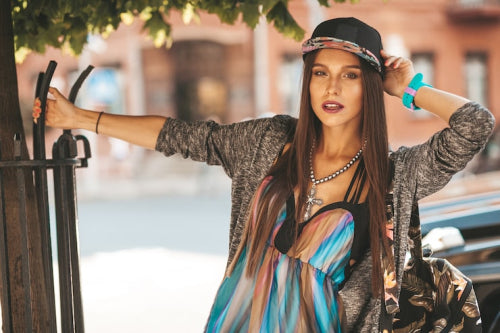
In a sunlit studio in Jaipur, a weaver threads a shuttle through a loom, crafting a fabric that will become a sari-gown a garment that fuses centuries-old techniques with the sleek lines of modern fashion. This is the essence of fusion ethnic wear, a global phenomenon that's redefining how we wear culture. From the vibrant streets of Mumbai to the cosmopolitan runways of Paris, these hybrid designs are not just clothing but a dialogue between tradition and innovation, capturing the imagination of a world hungry for authenticity and style.
The global ethnic wear market, valued at USD 99.5 billion in 2024, is on track to reach USD 185.0 billion by 2034, growing at a steady 6.4% CAGR, according to a March 2025 market.us report. Traditional garments like saris, kimonos, and dashikis embody cultural identities, worn for festivals, ceremonies, or daily expressions of heritage. Fusion wear, however, takes these roots and reimagines them with contemporary flair think kurtas styled as tunics or lehengas transformed into tailored skirts. This trend thrives in the handmade fashion sector, where artisans blend ancestral craftsmanship with modern aesthetics, captivating both local and international audiences. The surge in multicultural festivals, global tourism, and expatriate communities seeking connections to their roots fuels this market's growth, making fusion wear a vibrant symbol of cultural pride and adaptability.
What makes fusion ethnic wear so compelling? It's the ability to honor the past while embracing the present. A young woman in London might wear a sari-inspired jumpsuit to a wedding, blending her Indian heritage with urban chic. This fusion speaks to a globalized world where consumers crave garments that tell stories while fitting seamlessly into modern wardrobes.
Trends Shaping a Cultural Renaissance
The ethnic wear market, valued at USD 82.11 billion in 2023, is projected to grow to USD 156.11 billion by 2032, with a 7.4% CAGR, driven by globalization and shifting consumer tastes, notes SkyQuest Technology. Fusion wear leads this charge, with designers crafting versatile pieces that marry traditional silhouettes with modern cuts. Imagine an anarkali suit reimagined as a flowing maxi dress, adorned with bold prints or metallic embellishments. Sustainability is also key artisans are increasingly using eco-friendly materials like organic cotton, handwoven khadi, or recycled silk to meet the demand for ethical fashion.
Younger generations, particularly millennials and Gen Z, are driving this shift. They want clothing that reflects their cultural heritage but aligns with contemporary trends. Social media platforms amplify this desire, with influencers showcasing mix-and-match styles dhoti pants with blazers, or saree skirts with minimalist tops. According to a 2023 Allied Market Research report, the ethnic wear industry, worth USD 89.3 billion in 2021, is expected to hit USD 177.2 billion by 2031, propelled by the rise of fusion wear, high-end brands, and fashion influencers. This isn't just fashion; it's a cultural conversation woven into every stitch.
From Artisans to Global Runways
In India, a burgeoning luxury market is embracing fusion ethnic wear, as noted in a Vogue Business report. With affluent consumers in tier-one and tier-two cities, brands like Balenciaga are entering the market, while Valentino expands and Galeries Lafayette plans a massive Mumbai store. Local designers, however, are the true trailblazers. Brands like Raw Mango blend traditional weaves with modern silhouettes, creating lehenga-gowns that shine at global events. Another label, Pero, pairs handwoven textiles with contemporary cuts, turning kurtas into chic dresses worn from Delhi to Dubai.
These garments transcend occasion. A professional in Bengaluru might wear a hand-embroidered kurti with tailored trousers to a meeting, while a fashion enthusiast in New York might choose a sari-inspired wrap dress for a cultural event. Social media has turned these looks into global sensations, with platforms like Instagram showcasing their versatility. One bride in Toronto shared how her fusion lehenga-gown felt like “wearing my heritage with a modern heartbeat,” perfect for her multicultural wedding. This adaptability is why fusion wear resonates so deeply.
Threading the Needle of Challenges
Creating fusion ethnic wear isn't without obstacles. Designers must balance cultural authenticity with innovation, ensuring they honor traditions without veering into appropriation. A dashiki-inspired jacket, for instance, must respect its African roots while adapting to modern tastes. Sustainability poses another challenge. While handmade fusion wear supports artisans, mass-produced versions often rely on environmentally harmful practices. The ethnic wear market, valued at USD 84.10 billion in 2024, is expected to reach USD 122.88 billion by 2030, per 360iResearch, but scaling production ethically remains critical.
Accessibility is also a hurdle. Handcrafted pieces, with their intricate embroidery or handwoven fabrics, often come with high price tags, limiting their reach. Designers must navigate these issues with care, ensuring their work respects cultural narratives while remaining inclusive. As one weaver in Varanasi put it, “We're not just crafting clothes; we're preserving our history while dressing the future.”
Opportunities for a Global Market
The future of fusion ethnic wear is bright. Brands can target niche markets eco-conscious consumers, millennials seeking unique styles, or couples planning destination weddings. E-commerce and social media have democratized access, allowing artisans in remote Indian villages to sell handwoven kurtas to buyers in Sydney. This digital revolution not only expands reach but also supports local economies by empowering weavers, dyers, and embroiderers.
The economic impact is profound. By prioritizing handmade fashion, consumers sustain communities of artisans while embracing sustainable practices. Brands like Doodlage, which uses upcycled fabrics, or Khadi Cult, with its focus on organic dyes, are leading the charge. Opportunities for innovation abound think smart fabrics that adapt to temperature or gender-neutral designs that challenge conventions. As the market grows, fusion wear offers a blueprint for blending heritage with progress.
Weaving a Lasting Legacy
Fusion ethnic wear is a vibrant tapestry, weaving together the threads of tradition and the bold patterns of modernity. It's a kurta that doubles as a dress, a sari that flows like a gown, a garment that carries the weight of history while stepping confidently into the future. Experts foresee this trend evolving with tech-infused designs, like fabrics embedded with sensors or 3D-printed embellishments, yet its core remains unchanged: storytelling through style. As one designer noted, “Every weave holds a memory, every cut a dream.”
For consumers, fusion wear is an invitation to wear their heritage with pride while embracing individuality. For designers, it's a challenge to innovate responsibly, weaving sustainability and inclusivity into every piece. With the global ethnic wear market poised to reach USD 185 billion by 2034, fusion fashion is not just a trend but a movement one that stitches together cultures, eras, and aspirations. In a world seeking meaning, these garments remind us that fashion can be both a tribute to the past and a vision for tomorrow.
Frequently Asked Questions
What is fusion ethnic wear and how does it differ from traditional ethnic clothing?
Fusion ethnic wear combines traditional garments with contemporary design elements, creating versatile pieces that honor cultural heritage while fitting modern lifestyles. Unlike traditional ethnic clothing that maintains original silhouettes and designs, fusion wear reimagines classic pieces such as transforming kurtas into tunics, lehengas into tailored skirts, or creating sari-inspired jumpsuits. This approach allows people to express their cultural identity while embracing current fashion trends and practical everyday wear.
Why is the fusion ethnic wear market growing so rapidly?
The fusion ethnic wear market is experiencing significant growth, with projections showing the global ethnic wear market reaching USD 185 billion by 2034. This growth is driven by globalization, multicultural festivals, expatriate communities seeking cultural connections, and younger generations (millennials and Gen Z) who want clothing that reflects their heritage while aligning with contemporary trends. Social media platforms have also amplified this trend, with influencers showcasing versatile styling options that appeal to both local and international audiences.
What challenges do designers face when creating fusion ethnic wear?
Designers must carefully balance cultural authenticity with innovation to avoid cultural appropriation while honoring traditional roots. Sustainability presents another challenge, as scaling production ethically while supporting artisan communities can be difficult. Additionally, handcrafted fusion pieces often come with higher price points due to intricate embroidery and handwoven fabrics, which can limit accessibility. Designers must navigate these issues while ensuring their work respects cultural narratives and remains inclusive to diverse consumers.
Disclaimer: The above helpful resources content contains personal opinions and experiences. The information provided is for general knowledge and does not constitute professional advice.
You may also be interested in: 14 Stunning Diwali Outfit Ideas for Women in 2024 | Traditional
Fast fashion erodes cultural heritage, sidelining artisans and reducing traditions to trends. At IndieHaat, we champion India's craftspeople with handcrafted sarees, apparel, décor, and skincare rooted in authenticity. Each piece embodies skill and ethical care. Support artisans and preserve India's timeless legacy Shop Now!
Powered by flareAI.co