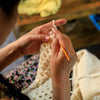
How Craftsmanship Transforms Everyday Items

Quick Listen:
The quiet revolution begins with something as simple as pulling on a handwoven kurta at the start of the day. In a time when wardrobes overflow with identical, factory-made garments shipped from halfway around the world, that kurta its weave bearing the gentle irregularities of human hands arrives imbued with narrative and intent. Across India and far beyond its borders, a new generation, led prominently by Gen Z, is reclaiming handloom textiles and traditional handicrafts. They treat these items not as dusty artifacts but as lively, practical elements that bring depth, environmental responsibility, and personal distinction to ordinary routines.
Fast fashion erodes cultural heritage, sidelining artisans and reducing traditions to trends. At IndieHaat, we champion India's craftspeople with handcrafted sarees, apparel, décor, and skincare rooted in authenticity. Each piece embodies skill and ethical care. Support artisans and preserve India's timeless legacy Shop Now!
The Resurgence of Craft in Modern Daily Life
Gen Z's turn toward handloom arises from a compelling alignment of principles: fierce dedication to sustainability, pride in cultural roots, and a craving for objects that carry stories instead of fading into sameness. Platforms like Instagram and YouTube have accelerated the movement, with short videos capturing weavers at work and artisans dyeing yarns by hand, reframing age-old skills as desirable and forward-looking. Garments once dismissed as traditional now stand out as genuinely distinctive antidotes to the endless sameness of fast fashion. For these consumers, handwoven pieces represent thoughtful choices: singular in design, kinder to the planet, and built to endure rather than be discarded after a season.
The transformation appears vividly in everyday styling. Young Indians pair flowing handloom sarees with cropped tops and sneakers for weekend outings, layer intricately block-printed dupattas over jeans and crisp shirts for office days, or wear handwoven kurtas as relaxed tunics tucked into denim. This seamless blend of heritage and contemporary creates an Indo-fusion style that feels natural, adaptable, and at ease in varied settings from morning commutes to casual gatherings. Online communities exchange practical tips: cuff the sleeves of a handloom shirt for an effortless look, cinch a dupatta at the waist like a belt, or drape a fine stole across a basic top. Traditional motifs and textures gain fresh relevance, proving they can evolve while honoring their origins.
Handloom as a Sustainable Counterforce
Handloom stands apart from industrial textile production in fundamental ways. Operated entirely by human power, looms consume no vast amounts of electricity. They rely on natural materials cotton, silk, linen frequently colored with plant-derived dyes, producing items that biodegrade naturally and generate minimal waste. Production runs tend toward small, often custom orders, avoiding the surplus that fuels fast fashion's cycle of excess. In contrast, conventional textile manufacturing contributes approximately 10 percent of worldwide carbon emissions, alongside extensive water contamination and heaps of unsold or discarded clothing. Handloom preserves rural livelihoods, sustains generational knowledge in scattered communities, and promotes deliberate purchasing values that echo strongly with a demographic skeptical of throwaway culture.
Market data underscores the broadening momentum. Reports from leading analysts highlight robust expansion driven by appetite for authentic, handmade, and environmentally conscious products. One authoritative source indicates the global handicrafts market attained USD 880.82 billion in 2025, with expectations of reaching USD 2687.23 billion by 2035, reflecting a compound annual growth rate of 11.80 percent across 2026–2035. Cultural efforts to safeguard heritage crafts, including government and NGO programs, contribute significantly; for example, in August 2024 Vodafone Idea partnered with NGOs on the "Artisans of India" project to highlight regional crafts across 12 states. Another analysis values the market at USD 1,107.67 billion in 2024, projecting growth to USD 2,397.15 billion by 2032 at a 10.15 percent CAGR, with Asia Pacific commanding a 36.36 percent share that year and notable U.S. expansion anticipated. A third assessment places 2024 at USD 739.95 billion, forecasting USD 983.12 billion by 2030 with a 4.9 percent CAGR from 2025 onward, Asia Pacific again dominant at 34.81 percent, woodwork leading product categories, and mass retailers holding the top distribution channel at 39.04 percent. Despite differences in scope and timelines, these projections collectively affirm that craftsmanship has shifted from margin to mainstream, propelled by preference for genuine over generic.
Within India, the trend gains visibility through marketplaces such as IndieHaat, which bridges artisans and global buyers, revealing exceptional handmade textiles and crafts from diverse regions. Complementary support comes from policy measures, skill-building workshops, and visibility campaigns that tie cultural continuity to economic vitality for creators.
Elevating the Ordinary Through Human Craft
The real power of craftsmanship lies in its capacity to infuse the commonplace with intention. A hand-block-printed cushion resting on a simple couch, a sturdy woven basket cradling produce on the kitchen island, a soft handloom throw softening an armchair these objects transcend utility. They serve as understated declarations: that functionality and beauty coexist, that slight asymmetries often reflect deliberate care, and that choosing artisan-made supports broader social good beyond personal taste. In city flats and suburban houses alike, such pieces link heritage to the present, rendering familiar surroundings more thoughtful and welcoming.
This movement transcends clothing and home accents; it represents a measured pushback against uniformity. By selecting handloom over mass-produced synthetics, younger buyers endorse measured paces, equitable opportunities, and items designed to mature beautifully instead of quickly wearing out. The rhythmic sound of the loom, the precision of the dyer's touch, the focus of the weaver's gaze these elements do more than produce fabric. They lend everyday existence a distinctive warmth and significance. Amid relentless pursuit of speed and scale, perhaps the boldest act remains to pause, value slowness, and allow skilled human hands to define what we wear, hold, and treasure.
Frequently Asked Questions
Why is Gen Z choosing handloom and handcrafted products over fast fashion?
Gen Z is drawn to handloom textiles and traditional handicrafts because they align with values of sustainability, cultural authenticity, and individuality. These handmade items offer a sustainable alternative to fast fashion, which contributes roughly 10 percent of global carbon emissions, while also providing unique pieces with stories and character that stand out from mass-produced uniformity. Additionally, handloom products support rural artisan communities and promote thoughtful, deliberate purchasing over disposable consumption.
How can I style traditional handloom pieces for modern everyday wear?
Handloom textiles blend seamlessly into contemporary wardrobes through creative Indo-fusion styling. You can pair handwoven sarees with cropped tops and sneakers for casual outings, layer block-printed dupattas over jeans and shirts for work, or wear handloom kurtas as relaxed tunics with denim. Simple styling tricks like cuffing sleeves, using a dupatta as a belt, or draping a fine stole over basic tops help traditional motifs feel fresh and adaptable for daily life.
What makes handloom textiles more sustainable than factory-made fabrics?
Handloom production is inherently sustainable because it operates entirely on human power without consuming large amounts of electricity, unlike industrial textile manufacturing. These textiles typically use natural materials like cotton, silk, and linen, often dyed with plant-based colors that biodegrade naturally and generate minimal waste. The small-batch, custom-order nature of handloom production avoids the surplus and overproduction that drives fast fashion's environmental impact, while preserving traditional knowledge and supporting rural livelihoods.
Disclaimer: The above helpful resources content contains personal opinions and experiences. The information provided is for general knowledge and does not constitute professional advice.
You may also be interested in: Handmade Products: The Story Behind the Craft | Indiehaat
Fast fashion erodes cultural heritage, sidelining artisans and reducing traditions to trends. At IndieHaat, we champion India's craftspeople with handcrafted sarees, apparel, décor, and skincare rooted in authenticity. Each piece embodies skill and ethical care. Support artisans and preserve India's timeless legacy Shop Now!
Powered by flareAI.co