The Cultural Stories Behind Indian Textiles

Quick Listen:
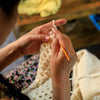
Picture this: your hand glides over a swath of silk, where threads of gold zari shimmer under light, not in rigid perfection but with a personal touch a slight weave irregularity, a gentle variation in color intensity. These aren't imperfections; they're signatures of skilled artisans who devote weeks, even months, to transforming simple threads into profound narratives. In India, textiles transcend mere fabric and hue; they encapsulate memories, identities, and regional essences. Handwoven sarees, especially, serve as dynamic repositories of artisanal expertise, elevating ordinary attire to something timeless and extraordinary.
Throughout India's rural hamlets and historic weaving centers, the loom functions not just as a mechanical device but as a chronicler of tales. In Varanasi, the rhythmic thud of wooden shuttles resonates with ages-old Banarasi customs, intertwining silk and zari to produce materials historically destined for monarchs and ceremonies. Mughal-era Persian elements fused with local artistry, incorporating blooming patterns and elaborate gold embellishments that define the lavishness of Banarasi sarees. Nonetheless, the essence stays profoundly human: craftspeople undergo extensive apprenticeships to perfect the subtle balance of warp and weft, manually sculpting blocks for designs and methodically applying natural dyes. This yields apparel that exudes historical depth adorned during nuptials, sacred pilgrimages, and increasingly in metropolitan closets craving substance over fleeting styles.
Moving southward to Tamil Nadu's communities or Assam's riparian areas, distinct chronicles emerge. Cotton sarees from locales such as Chanderi or those featuring Ikat techniques bear the imprint of inherited communal wisdom. Every motif be it a geometric shrine representation or an abstracted avian form frequently alludes to indigenous myths, cyclical seasons, or emblematic spirituality. These aren't factory-stamped replicas; they materialize filament by filament on pedal-operated looms, fueled by endurance and precision. The artisan anticipates the textile's character prior to its completion: how hues mellow with usage, how the material contours uniquely to various forms, how years bestow a refined luster unattainable by machinery.
India's textile landscape stands as one of the nation's most ancient and varied sectors, tracing origins back through centuries. It encompasses everything from age-old hand-spun and handwoven clusters to advanced, capital-heavy mills, bolstered by a solid foundation of fibers and yarns including cotton, jute, silk, wool, polyester, viscose, and acrylic. The decentralized power loom, hosiery, and knitting areas form the predominant portion, showcasing the sector's versatility in addressing diverse consumer segments. Its intimate ties to farming, dependence on organic resources like cotton, and profound cultural legacy distinguish the Indian textiles industry from other production fields. Through time, India has developed the prowess to fulfill broad demands, from budget-friendly mass apparel to specialized premium categories, serving both local and global markets. Presently, this industry provides jobs to over 45 million individuals, cementing its status as a primary source of employment in the country.
What distinguishes handwoven sarees from machine-produced versions is this very distinctiveness. They exhibit nuanced differences in weaving density, color uptake, and sporadically a small knot marking where an artisan mended a snapped thread. These elements aren't blemishes; they're evidence of vitality. Automated textiles pursue impeccable consistency, whereas handcrafted ones honor the creator's touch the very hand that might halt for a family moment or a devotional pause. As years pass, the material matures elegantly: cotton yields to the skin's warmth, silk acquires richness, and the entire item grows more intimate, frequently enduring beyond its initial possessor to emerge as a cherished inheritance.
Fast fashion erodes cultural heritage, sidelining artisans and reducing traditions to trends. At IndieHaat, we champion India's craftspeople with handcrafted sarees, apparel, décor, and skincare rooted in authenticity. Each piece embodies skill and ethical care. Support artisans and preserve India's timeless legacy Shop Now!
Why Handwoven Sarees Command a Higher Price and Deserve It
The pricing of a handwoven saree frequently astonishes those familiar with fast-fashion economics, but it mirrors a truthful valuation of resources. One such garment might necessitate weeks or months of dedicated effort. Craftspeople manually engrave detailed wooden stamps for printing, blend botanical pigments from botanicals like roots, foliage, and ores, then layer them repeatedly to attain vibrancy sans synthetics. At the loom, sophisticated methods such as Banarasi zari demand exact synchronization: separate shuttles for silk and metallic strands, all orchestrated by intuition and practice instead of mechanization. Training periods extend over years due to the expertise's uniqueness; no digital system can duplicate the instinctive tweaks a veteran weaver applies amid changing weather or unpredictable fibers.
This initial outlay secures much beyond mere material. It ensures resilience that challenges throwaway norms a saree utilized across decades, inherited, with shades gentling rather than diminishing, and structure remaining intact. It also secures exclusivity: each creation is singular. Amid an age of ubiquitous duplicates via e-commerce, possessing an authentic original imparts subtle strength. Crucially, the cost upholds sustenance. Opting for handwoven over bulk-manufactured bolsters households that have preserved these practices amid fiscal changes, city expansions, and the unyielding sway of inexpensive artificials.
The Indian textile and apparel market reached a valuation of USD 248.70 billion in 2025, with projections to expand to USD 656.31 billion by 2034, achieving a compound annual growth rate of 11.38% between 2026 and 2034. This sector forms a pivotal element in India's economic progress, merging time-honored skills with contemporary production methods while addressing internal usage and overseas shipments across varied items and production centers. Its importance surpasses financial figures, including societal aspects like job creation in countryside areas, female involvement in clothing assembly, and safeguarding of area-specific textile customs that bolster India's cultural persona while adapting to shifting tastes, thus boosting the market's portion. Regarding raw materials, natural fibers hold sway with 56% share in 2025, capitalizing on India's longstanding cotton farming legacy, plentiful farming assets, and entrenched processing systems that aid both classic handloom activities and automated textile output. For uses, clothing textiles top with 40% share in 2025, propelled by India's vast populace, increasing expendable earnings boosting garment buys, heightening style awareness in city dwellers, and widening structured retail footprint. By item category, fabric constitutes the biggest part with 38% market share in 2025, indicating the midway production phase where mills convert yarn to completed textiles for subsequent apparel makers and household decor producers.
A Sustainable Thread in a Fast-Fashion World
Handwoven sarees quietly counter the ecological burden of contemporary attire. They originate from organic, decomposable fibers cotton, silk, linen that reintegrate into soil sans microplastic remnants. Fabrication depends on minimal-impact approaches: absent power-intensive plants, absent artificial colors polluting streams. Vegetation-sourced tints, typically gathered nearby, embody tales of gathering and expertise. The whole procedure advances deliberately, in sync with manual labor over automated velocity.
Longevity solidifies the eco-friendly argument. Quick fashion promotes swift cycles acquire, don briefly, dispose. Handcrafted cloths promote the reverse: commit once, treasure enduringly. A saree that gentles with each cleansing, contours superiorly over time, and bears recollections through lineages, lessens the demand for perpetual substitutes. Thus, artistry cultivates a deliberate bond with belongings one prizing excellence, legacy, and maintenance above hoarding.
The Indian textile market yielded revenue of USD 97.4 million in 2025 and is anticipated to attain USD 146.8 million by 2033, advancing at a compound annual growth rate of 5.3% from 2026 to 2033. Within segments, cotton led as the top revenue producer in 2025, while chemicals emerge as the most promising raw material area with quickest expansion in the forecast span.
The Global Reach of Handloom Traditions
The worldwide handloom products arena was assessed at USD 8.32 billion in 2024 and is forecasted to ascend from USD 8.95 billion in 2025 to USD 16.62 billion by 2032, displaying a compound annual growth rate of 9.24% throughout the projection period. Asia Pacific commanded the handloom products market with 55.77% share in 2024. This sector persists in flourishing, fueled by buyer interest in eco-conscious, distinctive, and culturally meaningful goods.
Nowadays, as international patrons rediscover these cloths, the scope broadens. City-based younger generations and overseas enthusiasts pursue them, not solely for aesthetics but for the tales they embody. Venues linking creators straight to purchasers aid in maintaining the trade, guaranteeing fair compensation for weavers as accounts of endurance and ingenuity connect with fresh groups. The handwoven saree, formerly a local treasure, now interlaces history and now, countryside and metropolis, custom and revival.
Wearing the Story Forward
Ultimately, a handwoven saree transcends simple material. It represents a dialogue spanning eras linking the artisan's grasp to the adorners form, antique methods to modern existence, ethnic foundations to personal articulation. Selecting one pays tribute to the forbearance, proficiency, and understated dignity of those sustaining the looms. In a society hastening to uniformity, these cloths affirm that allure frequently resides in the flawed, the purposeful, the mortal. And upon enveloping those six yards about oneself, it's more than attiring for the occasion it's advancing a narrative that defies commodification.
Frequently Asked Questions
Why are handwoven sarees more expensive than machine-made ones?
Handwoven sarees require weeks or even months of dedicated craftsmanship, with artisans manually creating intricate designs, mixing natural dyes from botanical sources, and coordinating complex weaving techniques like Banarasi zari work. The price reflects the time, skill, and years of training required to master these traditional methods. Beyond the labor, you're investing in a unique, durable piece that lasts for generations and supports the livelihoods of artisan communities who preserve these ancient textile traditions.
What makes handwoven Indian textiles more sustainable than fast fashion?
Handwoven sarees are crafted from organic, biodegradable fibers like cotton, silk, and linen using low-impact production methods without energy-intensive factories or synthetic dyes that pollute waterways. Their exceptional longevity encourages a "buy once, treasure forever" approach rather than the rapid purchase-and-disposal cycle of fast fashion. This slow, deliberate production process aligned with manual labor over machine speed, combined with textiles that improve with age and can be passed down through generations, significantly reduces the need for constant replacement.
How do traditional Indian textile motifs reflect cultural stories and regional identity?
Each region's handwoven textiles carry distinct narratives Banarasi sarees feature Mughal-era Persian influences with floral patterns and gold embellishments, while cotton sarees from areas like Chanderi or those with Ikat techniques showcase inherited community knowledge. The motifs, whether geometric temple representations or abstract bird forms, frequently reference local myths, seasonal cycles, and symbolic spirituality unique to each weaving center. These aren't factory-stamped replicas but emerge thread by thread on traditional looms, with artisans in places like Varanasi, Tamil Nadu, and Assam preserving region-specific techniques passed down through generations of apprenticeship.
Disclaimer: The above helpful resources content contains personal opinions and experiences. The information provided is for general knowledge and does not constitute professional advice.
You may also be interested in: Trusting the Thread: Artisan Sourcing Processes Explained
Fast fashion erodes cultural heritage, sidelining artisans and reducing traditions to trends. At IndieHaat, we champion India's craftspeople with handcrafted sarees, apparel, décor, and skincare rooted in authenticity. Each piece embodies skill and ethical care. Support artisans and preserve India's timeless legacy Shop Now!
Powered by flareAI.co