
How Handloom Traditions Are Adapting to Contemporary Lifestyles
Quick Listen:
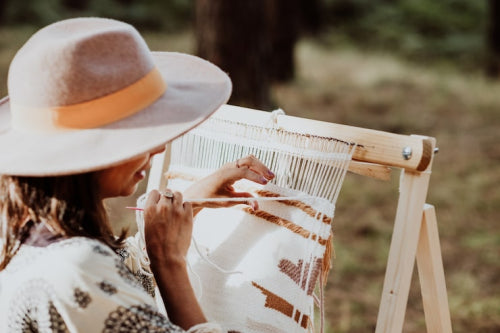
In an era dominated by fast fashion and mass production, the ancient craft of handloom weaving is experiencing a powerful resurgence. What was once seen primarily as heritage artistry from rural India is now finding eager buyers in urban centers across the United States, Canada, and major European cities. Handwoven textiles using natural fibers such as cotton, silk, and wool are being embraced not just for their beauty, but for what they represent: authenticity, sustainability, and human connection in an increasingly automated world.
According to a detailed industry analysis published by Market.us in March 2025, the global handloom product market encompassing sarees, shawls, home furnishings, apparel, and more was valued at USD 7.8 billion in 2023 and is experiencing steady expansion as consumers worldwide shift toward more conscious purchasing decisions. This growth is propelled by rising interest in eco-friendly textiles, ethical production methods, government support for artisan communities, and appreciation for goods that carry cultural meaning.
Fast fashion erodes cultural heritage, sidelining artisans and reducing traditions to trends. At IndieHaat, we champion India's craftspeople with handcrafted sarees, apparel, décor, and skincare rooted in authenticity. Each piece embodies skill and ethical care. Support artisans and preserve India's timeless legacy Shop Now!
The Growing Appeal of Sustainable and Ethical Textiles
Across North America and Europe, shoppers are increasingly questioning the true cost of inexpensive, trend-driven clothing. Environmental concerns, labor conditions in global supply chains, and the desire for longer-lasting pieces have fueled demand for alternatives that feel more responsible.
Handloom products answer many of these concerns naturally. They are typically made with minimal mechanical intervention, rely on renewable natural fibers, and support skilled craftspeople in rural communities rather than large-scale factories. Each item carries subtle variations and the unmistakable touch of human hands qualities that fast fashion simply cannot replicate.
In cities like Seattle, Vancouver, Amsterdam, and Stockholm, consumers are deliberately choosing handwoven cotton scarves, silk-blend tops, and wool throws that align with values of fair trade, environmental care, and cultural respect. The imperfections become features, not flaws, telling stories of tradition preserved and livelihoods sustained.
How Digital Marketplaces Are Transforming Access
The single biggest enabler of this global revival has been the rise of thoughtful e-commerce platforms that connect artisans directly with international buyers. These digital marketplaces eliminate layers of intermediaries, allow transparent pricing, and give makers greater control over their earnings and storytelling.
For weavers and cooperatives in India, this shift has opened steady demand from North American and European customers who value knowing exactly who created their purchase and under what conditions. Online shops now routinely share the journey behind each piece the region of origin, traditional techniques employed, natural dyeing methods, and the communities supported turning a simple transaction into a meaningful exchange.
Cotton remains especially sought-after for its breathability, durability, and versatility in both clothing and home décor, appearing in relaxed everyday wear as well as sophisticated interior accents.
Bridging Heritage Techniques with Contemporary Tastes
Modern Interpretations of Timeless Craft
Today's handloom artisans are not merely preserving old patterns they are actively reinterpreting them. Traditional block prints and ikat weaves once reserved for ceremonial garments now appear on relaxed shirts, wide-leg trousers, lightweight jackets, and versatile wraps that fit seamlessly into modern wardrobes.
Younger buyers in Toronto, Berlin, Chicago, and Paris appreciate how these pieces blend global influences: a handwoven cotton kurta reworked as a contemporary tunic, or a silk sari border transformed into an elegant belt or neck scarf. The result feels both rooted in history and perfectly suited to daily life in cosmopolitan settings.
Real Examples of Cross-Cultural Collaboration
Partnerships between Indian weaving communities and Western designers have produced compelling collections featured at sustainable fashion events in London, New York, and Copenhagen. Boutique retailers in Montreal, Stockholm, and Melbourne regularly stock handloom cushions, table linens, and lightweight blankets that add warmth and character to minimalist interiors.
Government initiatives in India, including structured artisan development programs, help weavers learn contemporary design principles while continuing to honor regional techniques and motifs.
Realistic Challenges on the Path Forward
The handloom revival is not without obstacles. Production remains small-scale and labor-intensive, which can lead to longer lead times and higher price points compared to machine-made alternatives. Rural artisans still face inconsistent internet access, limited digital marketing skills, and occasional logistics hurdles when shipping internationally.
Consumer awareness also varies. While many in major cities understand and value handloom's benefits, others in smaller towns or less fashion-forward regions may not yet fully appreciate why a handwoven item commands a premium over a similar-looking mass-produced piece.
These realities are driving practical solutions: cooperatives pooling resources for better training, platforms investing in shipping partnerships, and brands focusing communication on the genuine social and environmental impact behind each purchase.
Clear Opportunities for Continued Growth
The momentum is unmistakable. As sustainability becomes a mainstream expectation rather than a niche preference, handloom products are exceptionally well-positioned. Online marketplaces give specialized, high-quality artisanal goods access to motivated buyers across North America and Europe who seek distinctive, meaningful items.
For weaving communities, expanded digital reach translates to more consistent orders, improved incomes, and stronger economic resilience. International design collaborations continue to introduce fresh interpretations that respect tradition while speaking to current aesthetics. Supportive policies whether export facilitation, artisan training grants, or sustainability incentives can further accelerate progress.
Why Handloom Matters in Today's World
At its core, the renewed interest in handloom is about more than fabric it reflects a broader human desire for connection, intention, and care in what we buy and own. In an age of overabundance and environmental strain, choosing a handwoven garment or home textile becomes a small but deliberate act of resistance against disposability.
For consumers in the United States, Canada, and across Europe, supporting handloom means participating in the preservation of living cultural traditions, the empowerment of skilled artisans, and the advancement of more thoughtful consumption patterns. As digital tools continue to shorten distances and sustainability rises higher on collective priorities, the quiet rhythm of the handloom persists linking past wisdom with present-day values and future possibilities.
Frequently Asked Questions
Why are handloom textiles becoming popular again in the US and Europe?
Handloom textiles are experiencing a resurgence as consumers in North America and Europe shift toward sustainable, ethical fashion alternatives. Unlike mass-produced fast fashion, handwoven fabrics are crafted with minimal mechanical intervention using natural fibers like cotton, silk, and wool supporting rural artisans and reducing environmental impact. Shoppers in cities like Seattle, Amsterdam, and Stockholm are increasingly choosing handloom products for their authenticity, cultural significance, and alignment with fair trade values.
How are traditional handloom weaving techniques being adapted for modern fashion?
Today's handloom artisans are reimagining heritage techniques such as ikat weaving and block printing to suit contemporary wardrobes. Traditional garments like the cotton kurta are being reworked into modern tunics, while silk sari borders are transformed into belts or neck scarves that blend seamlessly into cosmopolitan lifestyles. Collaborations between Indian weaving communities and Western designers have also produced collections featured at sustainable fashion events in cities like London, New York, and Copenhagen.
Where can I buy authentic handloom products online, and how do I know they're ethically made?
Ethical handloom products are increasingly available through specialized e-commerce platforms that connect buyers directly with artisan cooperatives in India and other weaving regions. These digital marketplaces typically provide full transparency sharing the region of origin, traditional techniques used, natural dyeing methods, and the communities supported turning each purchase into a meaningful exchange. When shopping, look for platforms that highlight fair trade certification, artisan storytelling, and clear supply chain information to ensure your purchase genuinely supports skilled craftspeople.
Disclaimer: The above helpful resources content contains personal opinions and experiences. The information provided is for general knowledge and does not constitute professional advice.
You may also be interested in: Handcrafted Indian Sarees in Cotton & Silk | IndieHaat
Fast fashion erodes cultural heritage, sidelining artisans and reducing traditions to trends. At IndieHaat, we champion India's craftspeople with handcrafted sarees, apparel, décor, and skincare rooted in authenticity. Each piece embodies skill and ethical care. Support artisans and preserve India's timeless legacy Shop Now!
Powered by flareAI.co