Pastel Shades Dominate Saree Palettes This Season
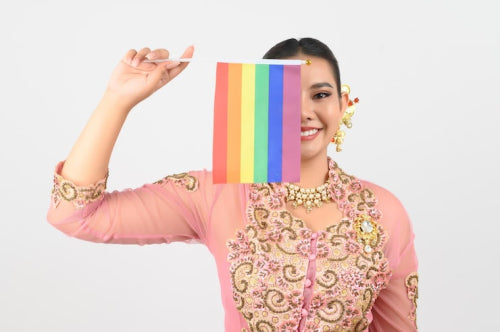
In the bustling streets of Mumbai or the elegant soirées of Dubai, a new vision of grace is unfolding: brides and guests alike gliding in soft mint green or blush pink organza sarees, their delicate fabrics shimmering under lights. This isn't a fleeting whim it's a deliberate turn toward understated elegance that's reshaping saree fashion worldwide.
Fast fashion erodes cultural heritage, sidelining artisans and reducing traditions to trends. At IndieHaat, we champion India's craftspeople with handcrafted sarees, apparel, décor, and skincare rooted in authenticity. Each piece embodies skill and ethical care. Support artisans and preserve India's timeless legacy Shop Now!
Pastel Hues Take Over Saree Styles: A Seasonal Shift Toward Soft Elegance
Pastel shades have firmly established themselves as the defining palette in saree fashion. From mint greens and lavender to blush pinks and butter yellows, these gentle hues are replacing heavier, bolder colors in collections across India and beyond. The appeal lies in their versatility they photograph beautifully, flatter a wide range of skin tones, and offer breathable comfort in varied climates.
This evolution reflects broader shifts in consumer preferences. Younger wearers, influenced by Bollywood stars embracing sheer organza in pastels, seek modernity without abandoning tradition. Globally, diaspora communities in the US, UK, UAE, Singapore, and Australia are driving demand, adapting these soft tones for weddings, festivals, and formal events.
The Rise of Pastels in Contemporary Saree Design
Designers are reinterpreting classic weaves through pastel lenses. Kanchipuram silks, traditionally rich in jewel tones, now feature lighter bodies with contrasting zari borders, creating a fresh yet regal aesthetic. Artisans note surging orders for these versions, particularly for brides prioritizing comfort alongside opulence.
Organza and tissue silks dominate, their crisp textures ideal for minimal embroidery or subtle sequins. Butter yellow, highlighted in global forecasts as a key summer tone, pairs elegantly with black accents for added edge. In handloom segments, pastel infusions into tant, jamdani, and cotton blends promote everyday wearability.
The India saree market, valued at USD 5.76 billion in 2024, is projected to reach USD 10.33 billion by 2033, growing at a CAGR of 6.70% from 2025-2033. This expansion is fueled by demand for sustainable handloom options, government-backed authenticity measures like GI tags, and the boom in e-commerce enabling AI personalization and virtual try-ons.
Global Resonance and Celebrity Influence
Bollywood's endorsement has accelerated the trend. Stars favor lightweight pastels for red carpets and intimate celebrations, inspiring fusion styling among international audiences. In the UAE's luxury scene and Singapore's multicultural hubs, these sarees blend seamlessly with evening glamour. Australia's seasonal warmth and the US/UK's diaspora events further amplify adoption.
Retailers worldwide stock dedicated pastel lines, from New York's ethnic boutiques to London's festive pop-ups. Online platforms enhance accessibility, shipping customized pieces that cater to personal preferences and occasions.
Market Dynamics and Sustained Growth
The broader ecosystem supports this surge. The global handloom sarees market, at USD 3.72 billion in 2024, is expected to grow to USD 7.29 billion by 2032 with a CAGR of 8.99%, led by Asia Pacific's dominant share. Sustainability plays a pivotal role, as eco-conscious consumers and endorsements draw younger buyers.
India's ethnic wear sector mirrors this trajectory. Valued at around USD 197.2 billion in 2024, it anticipates reaching USD 558.5 billion by 2033, with a CAGR of 12.6%. Weddings, festivals, and evolving tastes among millennials propel this vibrant segment.
Navigating Challenges in a Shifting Landscape
Resistance persists in conservative circles, where bold reds and maroons remain symbols of auspiciousness, especially in northern regions. Sourcing eco-friendly dyes for pastels in handlooms poses logistical hurdles, balancing quality with environmental standards. Pricing reflects craftsmanship premium lighter silks command higher costs, though accessible chiffon and georgette variants democratize the trend.
Emerging Opportunities for Retailers and Artisans
Online curation specialists stand to gain immensely. Personalization tools allow global customers to select shades and details, while seasonal alignments spring/summer spikes in warmer markets boost inventory turnover.
Bridal innovations lead the charge, with pastels penetrating traditional segments via hybrid designs. Celebrity and social media amplification further expands reach.
A Lasting Soft Revolution
Industry projections affirm pastel's endurance, harmonizing heritage with contemporary understated luxury. As handloom preservation advances and cross-cultural ties deepen, these hues are poised to sustain saree relevance across generations and geographies.
From Chennai ceremonies to California festivities, a pastel saree now embodies quiet confidence: rooted in tradition, attuned to today, and effortlessly elegant.
Frequently Asked Questions
Why are pastel sarees trending in 2025?
Pastel sarees have become the defining trend in 2025 due to their versatility, photogenic appeal, and ability to flatter diverse skin tones. Influenced by Bollywood celebrities and driven by younger buyers seeking modern elegance without abandoning tradition, these soft hues from mint green to blush pink offer breathable comfort and blend seamlessly across weddings, festivals, and formal events. The shift reflects broader consumer preferences toward understated luxury that works in both traditional and contemporary settings.
Which fabrics work best for pastel-colored sarees?
Organza and tissue silks are the most popular fabrics for pastel sarees, offering crisp textures ideal for minimal embroidery and subtle sequins. Kanchipuram silks in lighter shades with contrasting zari borders provide a fresh yet regal aesthetic, while handloom options like tant, jamdani, and cotton blends in pastel tones offer everyday wearability. Accessible alternatives like chiffon and georgette variants make the trend more affordable while maintaining the elegant drape.
Are pastel sarees suitable for traditional Indian weddings?
Yes, pastel sarees are increasingly embraced for weddings, particularly by brides prioritizing comfort alongside opulence. Designers now offer hybrid designs that blend pastels with traditional elements like contrasting borders and zari work, making them appropriate for ceremonies while maintaining cultural authenticity. However, some conservative circles in northern regions still prefer bold reds and maroons as symbols of auspiciousness, so regional preferences may vary depending on family traditions and customs.
Disclaimer: The above helpful resources content contains personal opinions and experiences. The information provided is for general knowledge and does not constitute professional advice.
You may also be interested in: Five Ethnic Trends Among Generation Z for 2025 – Indiehaat.com
Fast fashion erodes cultural heritage, sidelining artisans and reducing traditions to trends. At IndieHaat, we champion India's craftspeople with handcrafted sarees, apparel, décor, and skincare rooted in authenticity. Each piece embodies skill and ethical care. Support artisans and preserve India's timeless legacy Shop Now!
Powered by flareAI.co