
Sustainable Fashion Trends That Are Reshaping India's Ethnic Wear Market
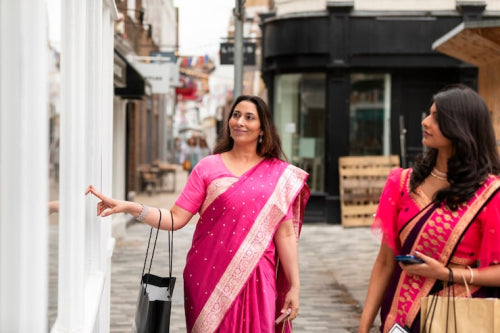
The evolution of ethnic wear is entering a defining phase where heritage craftsmanship and environmental responsibility are no longer separate conversations. Instead, they are shaping a unified design language that reflects changing consumer values, production ethics, and long-term sustainability priorities. As awareness grows around the environmental footprint of fashion, traditional Indian garments are being reinterpreted through the lens of sustainability, giving rise to a new wave of design thinking that blends authenticity with conscious consumption.
This shift is especially visible in how designers, artisans, and digital marketplaces are responding to demand for transparency, longevity, and cultural continuity. The result is a broader transformation in how people understand sustainable ethnic wear India, not just as a category of clothing but as a reflection of lifestyle choices that prioritize meaning over mass production.
Fast fashion erodes cultural heritage, sidelining artisans and reducing traditions to trends. At IndieHaat, we champion India's craftspeople with handcrafted sarees, apparel, décor, and skincare rooted in authenticity. Each piece embodies skill and ethical care. Support artisans and preserve India's timeless legacy Shop Now!
The Rise of Sustainable Ethnic Wear in Modern Fashion Culture
Ethnic wear has always carried cultural depth, but its modern evolution is being shaped by sustainability-driven expectations. Consumers are increasingly looking beyond aesthetics and evaluating how garments are made, who makes them, and what environmental impact is embedded in each stage of production. This shift is redefining sustainable fashion trends India ethnic wear as a movement that connects heritage craftsmanship with responsible innovation.
Brands are moving toward smaller production cycles, natural fabrics, and regionally rooted techniques that reduce environmental strain while preserving cultural identity. This transition is not only about material change but also about reshaping design philosophies. Instead of fast turnover collections, there is growing emphasis on durability, versatility, and emotional value in clothing.
As part of broader industry behavior, designers are also rethinking seasonal fashion cycles. The focus is shifting from trend-driven production to collections that can remain relevant across multiple occasions and years. This approach naturally supports the rise of slow fashion ethnic wear India, where garments are treated as long-term investments rather than short-lived purchases.
Handloom Revival and the Artisan Economy
One of the most significant drivers of sustainable ethnic wear is the renewed appreciation for handloom textiles. Handcrafted fabrics represent not only artistic heritage but also environmentally responsible production methods that rely on minimal machinery and lower energy consumption. The resurgence of traditional weaving systems is closely tied to growing awareness around ethical production and cultural preservation.
Handloom weaving embodies sustainability through its reliance on natural fibers, manual processes, and deeply skilled craftsmanship that reduces industrial waste. According to insights on handloom's role in eco-fashion, these methods support rural livelihoods while preserving regional textile identities and encouraging long-term use of garments instead of disposable fashion cycles.
This revival also strengthens the ecosystem of artisan communities, many of whom have faced challenges due to industrialization and declining demand for traditional textiles. As consumers reconnect with authenticity, artisan-led production becomes central to discussions around handloom sustainable fashion India, reinforcing the importance of cultural continuity within modern wardrobes.
The growing visibility of handcrafted textiles is also influencing design experimentation. Contemporary silhouettes are increasingly being paired with traditional weaving techniques, creating hybrid styles that appeal to both heritage-conscious and modern audiences. This balance is helping artisan fashion transition from niche appeal to mainstream relevance.
Handloom weaving embodies the principles of sustainable fashion through its manual, low-energy processes that contrast sharply with resource-intensive industrial methods. Originating from ancient traditions in India, handloom production relies on natural fibers such as cotton, silk, and wool, which are biodegradable and require minimal chemical intervention, resulting in lower pollution levels and a reduced carbon footprint. Artisans working on handlooms create unique, durable fabrics that resist the rapid obsolescence of fast fashion, encouraging consumers to invest in pieces meant for long-term use. This slow, skilled approach supports rural economies by providing fair wages and preserving livelihoods for millions, particularly women in artisan clusters. In the context of ethnic wear, handloom enables the revival of regional weaves and patterns that carry cultural significance, transforming them into contemporary garments suitable for everyday elegance or special occasions. By choosing handloom, buyers directly contribute to biodiversity conservation, skill transmission across generations, and a circular economy where repair and reuse are natural extensions of the product's lifecycle. This model not only minimizes waste but also fosters a deeper appreciation for the human stories behind each garment. As awareness of environmental and social impacts grows, handloom ethnic wear emerges as a powerful choice that honors tradition while addressing modern sustainability challenges, offering beauty, comfort, and ethical value in one.
Sustainable Materials and Natural Dye Innovation
Material selection is becoming a defining factor in how ethnic wear is designed and consumed. Natural fibers such as cotton, silk, and linen are gaining prominence due to their biodegradability and lower environmental impact compared to synthetic alternatives. Alongside this, natural dyeing techniques are being revived to reduce chemical pollution and improve fabric safety.
Designers are experimenting with plant-based dyes derived from roots, flowers, and minerals, which not only reduce environmental harm but also produce unique tonal variations that add depth to garments. This growing interest in natural processes is influencing eco-friendly ethnic wear trends by prioritizing sustainability at the foundational level of textile production.
Beyond aesthetics, material innovation is also about durability. Sustainable ethnic wear increasingly focuses on creating garments that age well, soften over time, and retain their structural integrity. This approach aligns with broader consumer behavior shifts toward mindful purchasing and long-term wardrobe planning.
In addition, recycled textiles and upcycled materials are being integrated into design processes, offering new possibilities for reducing textile waste. These practices contribute to circular fashion models that aim to minimize environmental impact while maintaining creative flexibility for designers.
Consumer Behavior and the Shift Toward Conscious Fashion
Modern consumers are playing a critical role in reshaping the ethnic wear landscape. Purchasing decisions are increasingly influenced by ethical considerations, environmental awareness, and emotional connection to products. This shift is particularly strong among younger demographics who value transparency and sustainability alongside design appeal.
Rather than prioritizing volume or fast-changing trends, consumers are investing in fewer but higher-quality pieces. This change is driving demand for eco-friendly sarees trends that emphasize craftsmanship, fabric integrity, and cultural storytelling. Each garment is increasingly seen as a representation of identity and values rather than just occasion-based attire.
Digital platforms and storytelling-driven marketplaces are further accelerating this change by offering deeper visibility into production processes. Consumers now expect to know the origin of fabrics, the artisans behind the work, and the environmental footprint of each garment. This expectation is influencing how brands communicate and build trust.
At the same time, social media is amplifying awareness around sustainable fashion practices. Influencers, designers, and independent creators are showcasing handcrafted collections, reinforcing appreciation for authenticity and ethical sourcing in everyday fashion conversations.
Ethical Production and Transparent Supply Chains
Transparency has become a defining expectation in modern fashion ecosystems. Consumers and businesses alike are seeking clarity around sourcing, labor conditions, and production methods. Ethical production is no longer a niche value but a core requirement for long-term brand credibility.
Research highlights growing emphasis on sustainability and ethical sourcing within ethnic wear markets, where handcrafted apparel and eco-conscious production are becoming key differentiators. As noted in handcrafted sustainable couture, brands that invest in sustainable practices and artisan collaborations are better positioned to respond to shifting consumer expectations while preserving traditional craftsmanship.
This transformation is also influencing supply chain structures. Instead of centralized mass production, many brands are moving toward distributed artisan networks that allow for greater traceability and accountability. These models support fair compensation for craftspeople while reducing environmental strain associated with large-scale manufacturing.
The ethnic wear market is witnessing a strong emphasis on sustainability and ethical sourcing as consumers become more attuned to the origins and impacts of their clothing choices. Hand-crafted apparel and sustainable couture are gaining prominence, particularly in regions with rich textile traditions like India, where hand-woven fabrics and artisanal techniques provide a competitive edge. This focus aligns perfectly with the rise of mindful luxury, where buyers seek authentic pieces that support local craftsmanship and reduce environmental harm. In India, growth is notable in tier-2 and tier-3 cities as organized retail brings high-quality, sustainable ethnic options to a wider audience beyond traditional tailoring. Global interest further amplifies this trend, with international penetration driven by appreciation for heritage and eco-conscious production. Brands excelling in these areas are better positioned to meet demands for versatile, durable garments suitable for both festive occasions and daily wear. The integration of sustainable practices helps differentiate products in a crowded market, appealing to younger generations who prioritize values alongside aesthetics. This transformation not only boosts market growth but also contributes to preserving traditional skills, empowering artisans, and creating more transparent supply chains that resonate with today's conscious shoppers seeking meaningful connections to their clothing.
Such shifts are redefining ethical Indian fashion trends by aligning cultural heritage with modern transparency standards. The result is a more resilient ecosystem where design integrity and production ethics operate in tandem.
Digital Marketplaces and the Growth of Slow Fashion Ecosystems
The rise of digital-first marketplaces has significantly expanded access to handcrafted and sustainable ethnic wear. These platforms are enabling artisans and small-scale producers to reach wider audiences without compromising production authenticity. This shift is strengthening the foundation of artisan fashion India trends by connecting traditional craft with modern commerce.
Digital storytelling plays a key role in this ecosystem. Instead of focusing solely on product imagery, brands are highlighting maker narratives, regional techniques, and cultural significance behind each piece. This storytelling approach enhances consumer engagement and builds emotional value around purchases.
At the same time, the infrastructure of slow fashion is evolving. Smaller batch production, made-to-order models, and direct-to-artisan sourcing are becoming more common. These practices reduce overproduction and help align supply with actual demand, minimizing waste and improving efficiency.
Platforms like Indiehaat represent this shift by curating handcrafted collections that emphasize authenticity and sustainability. Rather than competing on volume, such marketplaces focus on preserving craft heritage while offering modern accessibility. This balance is central to the long-term growth of sustainable ethnic wear ecosystems.
The Future of Sustainable Ethnic Wear Trends
The future of ethnic fashion is being shaped by a convergence of tradition, innovation, and responsibility. As sustainability becomes a defining expectation rather than an optional feature, the industry is likely to see deeper integration of eco-conscious materials, transparent production systems, and artisan-led design thinking.
One of the most important developments will be the continued blending of heritage techniques with contemporary aesthetics. This fusion allows traditional crafts to remain relevant in modern wardrobes while supporting the livelihoods of artisan communities. It also ensures that cultural knowledge is preserved and passed on through evolving design languages.
Technology will also play a supporting role in improving traceability, customer education, and supply chain efficiency. However, the core of this transformation will remain rooted in human craftsmanship and cultural continuity.
As awareness grows, eco-friendly ethnic wear trends will increasingly define how consumers evaluate fashion choices. The emphasis will continue shifting toward longevity, meaning, and environmental responsibility, reinforcing the idea that clothing is not just consumption but a reflection of values.
Ultimately, sustainable ethnic wear represents more than a trend. It reflects a broader cultural shift toward mindful living, where fashion becomes a bridge between heritage and responsibility, tradition and innovation, craft and consciousness.
Frequently Asked Questions
What makes ethnic wear "sustainable" in today's fashion market?
Sustainable ethnic wear focuses on natural fibers, handloom techniques, and natural dyes that lower environmental impact while preserving craftsmanship. It emphasizes durability and versatility over fast-fashion turnover, so garments are designed to last across occasions and years rather than being treated as disposable purchases. This approach combines material responsibility with cultural preservation, making sustainability a core design philosophy rather than just a marketing label.
How does handloom weaving support sustainable fashion in India?
Handloom weaving relies on manual, low-energy processes and natural fibers like cotton, silk, and wool, which results in lower pollution and a smaller carbon footprint compared to industrial production. Beyond the environmental benefits, it sustains rural artisan economies by providing livelihoods, especially for women in weaving clusters, while keeping regional textile traditions alive. This makes handloom a key pillar connecting ethical production with cultural continuity.
Why are consumers shifting toward slow fashion and artisan-made ethnic wear?
Consumers, particularly younger buyers, increasingly value transparency, ethical sourcing, and emotional connection over fast-changing trends, leading them to invest in fewer, higher-quality pieces. Digital marketplaces have accelerated this shift by sharing maker stories and production details, helping buyers understand the origins and impact of their clothing. This consumer-driven demand is pushing brands toward smaller batch production and direct-to-artisan sourcing models.
Disclaimer: The above helpful resources content contains personal opinions and experiences. The information provided is for general knowledge and does not constitute professional advice.
You may also be interested in: The Importance of Sustainability in Indias Growing Fashion Industry
Fast fashion erodes cultural heritage, sidelining artisans and reducing traditions to trends. At IndieHaat, we champion India's craftspeople with handcrafted sarees, apparel, décor, and skincare rooted in authenticity. Each piece embodies skill and ethical care. Support artisans and preserve India's timeless legacy Shop Now!
Powered by flareAI.co