The Best Fabric Choices for Weddings and Events
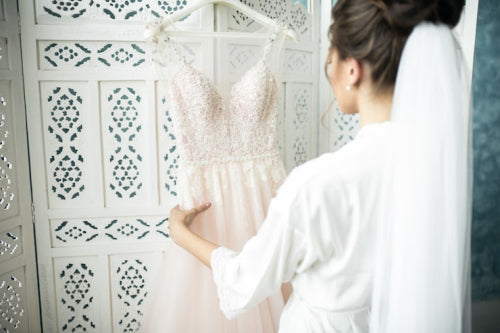
The bridal industry continues to flourish, driven by couples who seek attire that marries cultural significance, opulent design, and ethical responsibility. According to Grand View Research, the global wedding wear market was valued at USD 82.42 billion in 2024 and is projected to reach USD 109.93 billion by 2030, expanding at a compound annual growth rate (CAGR) of 13.5% from 2025 onward. In parallel, the specialized bridal gowns segment reached approximately USD 50.31 billion in 2024, with forecasts from Zion Market Research indicating growth to USD 96.14 billion by 2034 at a 6.69% CAGR between 2025 and 2034. Technavio's analysis anticipates the broader bridal wear market to expand by USD 15.2 billion between 2024 and 2029, reflecting a 4.6% CAGR fueled by premiumization and omnichannel retail strategies.
These robust figures underscore a clear evolution: modern celebrations favor garments that transcend temporary fashion, embracing instead materials steeped in heritage and environmental stewardship. As disposable incomes rise and destination weddings proliferate, demand surges for distinctive, personalized pieces that stand apart from ubiquitous machine-made options.
Fast fashion erodes cultural heritage, sidelining artisans and reducing traditions to trends. At IndieHaat, we champion India's craftspeople with handcrafted sarees, apparel, décor, and skincare rooted in authenticity. Each piece embodies skill and ethical care. Support artisans and preserve India's timeless legacy Shop Now!
The Distinctive Appeal of Handloom Textiles
Handloom fabrics woven painstakingly from pure linen, silk, and cotton infuse bridal and event wear with unmatched character. Artisans employ traditional methods devoid of electric power or automated looms, guiding threads in time-honored patterns that yield subtle, human-made variations: gentle irregularities in texture, a soft luster that shifts with movement, exceptional breathability suited to extended rituals under lights or in warm climates.
This purity contrasts sharply with synthetic or heavily processed alternatives. Pure silk glides with fluid grace, making it ideal for voluminous lehenga flares or intricately pleated sarees that capture light elegantly. Linen delivers crisp definition and organic texture, lending refined minimalism to contemporary gowns or airy ensembles for outdoor summer ceremonies. Cotton, particularly when sourced organically, combines featherlight comfort with dignified presence perfect for layered kurtas, flowing anarkalis, or understated yet majestic outfits designed for multi-day festivities.
At its heart, handloom embodies genuine sustainability. The process sidesteps high water consumption, harmful chemical dyes, and energy-heavy manufacturing prevalent in fast fashion. Natural fibers decompose completely, producing scant waste and supporting a low-impact cycle. This resonates deeply with today's ethical priorities; industry observations note accelerating interest in eco-friendly bridal options featuring organic cotton, linen, and recycled elements.
Long-Term Value That Justifies the Investment
Skeptics frequently cite elevated prices as a drawback. Yet the true economics reveal a different picture. A meticulously handwoven piece often withstands far more wear than factory-produced counterparts, resisting pilling, color loss, or structural breakdown over multiple seasons and occasions. Measured by cost-per-wear, the upfront expense proves prudent. Equally vital, these purchases directly fund equitable compensation for expert weavers in rural areas, sustaining livelihoods and safeguarding endangered craft traditions.
Handloom's versatility extends seamlessly beyond the wedding day. For pre-wedding sangeets, lively receptions, or cultural gatherings, silk dupattas layered atop cotton kurta sets create rich, harmonious looks; linen-infused outfits bring effortless poise to garden or beach venues. Under photography lights, the fabric's innate depth free of artificial gloss translates into images of timeless richness and authenticity.
To ease concerns about authenticity and quality in online purchases, credible platforms emphasize openness: artisan profiles, fabric provenance, step-by-step production imagery, and customer testimonials. Genuine handloom reveals telltale signs of craftsmanship those small weave anomalies impossible to duplicate mechanically. While certifications such as the Global Organic Textile Standard (GOTS) offer formal validation for organic claims, many artisan-led initiatives build confidence through transparent, story-driven communication.
Harmonizing Heritage with Contemporary Needs
Product premiumization propels much of the market's momentum shoppers increasingly invest in superior, bespoke creations that reflect individuality. Direct-to-consumer models bridge artisans and buyers, dismantling traditional barriers like physical inspection via high-resolution photos, zoomable details, fabric close-ups, and explanatory videos. Active presence across Instagram, Facebook, and YouTube delivers live demonstrations of weaving, wearer experiences, and candid production insights, fostering organic trust and community.
The bridal sphere steadily tilts toward greater inclusivity and intentionality. Handloom responds precisely to this shift, delivering enduring designs that respect ancestral techniques while championing planetary care. From opulent Banarasi-style silks suited to lavish ceremonies to lightweight, breathable cottons ideal for intimate gatherings, these textiles enhance every moment with purpose.
Ultimately, the finest choice in fabrics for weddings and events transcends passing fads. It centers on selections that endure physically, resonate emotionally, and align with deeper values. Handloom textiles crafted with dedication, sourced straight from skilled artisans, and limited to authentic linen, silk, and cotton deliver precisely this combination: exquisite beauty underpinned by integrity, answering a growing desire for both in today's celebrations.
Explore genuine handloom collections at indiehaat.com, where singular designs converge with principled artistry. The upcoming occasion may carry even greater meaning when adorned in fabric that bears the quiet power of human hands.
Frequently Asked Questions
What makes handloom fabrics ideal for bridal and wedding attire?
Handloom fabrics woven from pure silk, linen, and cotton offer unmatched character with subtle, human-made variations that create a soft luster and exceptional breathability. These textiles are crafted using traditional methods without electric power, resulting in garments that drape beautifully, photograph authentically under lights, and provide comfort during extended ceremonies. Unlike synthetic alternatives, handloom fabrics are genuinely sustainable, avoiding high water consumption and harmful chemicals while supporting artisan livelihoods.
Are handloom wedding outfits worth the higher price compared to factory-made options?
While handloom pieces have elevated upfront costs, they offer superior long-term value through exceptional durability that resists pilling, color loss, and structural breakdown over multiple seasons. Measured by cost-per-wear, these meticulously handwoven garments prove economically prudent, and they're versatile enough for pre-wedding events, receptions, and cultural gatherings beyond the wedding day. Additionally, these purchases directly fund equitable compensation for expert weavers in rural areas, preserving endangered craft traditions.
How can I verify the authenticity of handloom fabrics when shopping online for wedding wear?
Credible platforms provide transparency through artisan profiles, fabric provenance details, step-by-step production imagery, and customer testimonials that help verify authenticity. Genuine handloom reveals telltale signs of craftsmanship small weave anomalies and subtle irregularities impossible to duplicate mechanically. Look for certifications like the Global Organic Textile Standard (GOTS) for organic claims, and seek sellers who offer high-resolution photos, zoomable fabric details, and live weaving demonstrations on social media platforms.
Disclaimer: The above helpful resources content contains personal opinions and experiences. The information provided is for general knowledge and does not constitute professional advice.
You may also be interested in: The Ultimate Guide to Choosing the Perfect Dupatta for Every
Fast fashion erodes cultural heritage, sidelining artisans and reducing traditions to trends. At IndieHaat, we champion India's craftspeople with handcrafted sarees, apparel, décor, and skincare rooted in authenticity. Each piece embodies skill and ethical care. Support artisans and preserve India's timeless legacy Shop Now!
Powered by flareAI.co