The Resurgence of Handloom Sarees in Indian Fashion
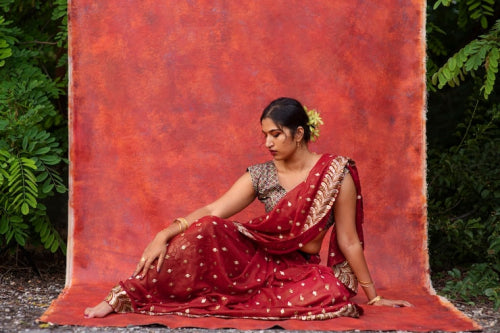
In the bustling lanes of Varanasi, where the rhythmic clack of wooden looms echoes through narrow alleys, a quiet revolution is unfolding. Artisans are weaving sarees not just for local markets, but for closets in New York, London, and Dubai. Handloom sarees those six yards of timeless elegance are staging a remarkable comeback, blending ancient craftsmanship with the demands of modern, conscious consumers.
Fast fashion erodes cultural heritage, sidelining artisans and reducing traditions to trends. At IndieHaat, we champion India's craftspeople with handcrafted sarees, apparel, décor, and skincare rooted in authenticity. Each piece embodies skill and ethical care. Support artisans and preserve India's timeless legacy Shop Now!
Reviving Tradition: The Resurgence of Handloom Sarees in Indian Fashion and Beyond
Once overshadowed by fast fashion's fleeting trends, handloom sarees are reclaiming their place in wardrobes worldwide. This revival isn't mere nostalgia; it's driven by a growing appetite for authenticity, sustainability, and cultural depth in an era dominated by mass production.
At the heart of this shift lies sustainability. Handloom weaving relies on natural fibers like cotton and silk, eco-friendly dyes, and manual processes that consume far less energy and water than industrial alternatives. As global awareness of fashion's environmental toll rises, these sarees emerge as a green choice biodegradable, low-carbon, and rooted in slow fashion principles.
Younger generations, both in India and abroad, are embracing them with fresh styling: paired with crop tops, belted for a contemporary silhouette, or draped in innovative ways popularized on social media. Influencers and celebrities are amplifying this trend, turning red carpets and Instagram feeds into showcases for heritage weaves.
Emerging Trends: From Local Looms to Global Runways
The numbers tell a compelling story. The global handloom sarees market, valued at USD 3.72 billion in 2024, is projected to nearly double to USD 7.29 billion by 2032, growing at a robust CAGR of 8.99%. Sarees dominate the broader handloom products segment, holding around 37-44% share depending on the category.
In India, the saree market stood at USD 5.76 billion in 2024, on track to reach USD 10.33 billion by 2033 with a 6.70% CAGR. Much of this growth stems from demand for sustainable, handwoven varieties pure cotton leading the charge for its breathability and ethical appeal.
Beyond borders, Indian sarees are finding enthusiastic buyers among the diaspora and eco-conscious shoppers. Key markets include the United States, United Kingdom, UAE, Singapore, Australia, and Canada. Recent export data shows over 75,000 saree shipments in a single trailing year, with the US often leading imports. Platforms connecting artisans directly to international customers are fueling this expansion, turning village looms into global suppliers.
Cultural exchange plays a role too. Increased travel, social media, and high-profile endorsements have introduced handloom sarees to new audiences. Designers are reimagining traditional motifs for modern wear, while collaborations breathe fresh life into classic weaves like Banarasi, Kanjeevaram, and Chanderi.
Visit IndieHaat to explore authentic handloom collections that bridge artisans with buyers in India, the US, Singapore, Australia, the UK, and the UAE.
The Global Appeal: Case Studies in Demand
In India, e-commerce has democratized access to handlooms. Platforms curate directly from weaving clusters, empowering rural artisans and meeting urban demand for authentic pieces. This digital bridge has boosted sales, especially among millennials seeking ethical alternatives to synthetic fast fashion.
Abroad, the story echoes in diaspora communities and beyond. In the US and UK, handloom sarees appear increasingly on online listings, appealing to those valuing craftsmanship. The UAE and Singapore, with strong Indian cultural ties and appreciation for luxury textiles, have carved niches driven by expatriates and locals alike drawn to the saree's elegance and sustainability narrative.
These markets highlight a broader truth: handlooms transcend borders when paired with storytelling. Details about the weaver's village, hours invested, and cultural significance transform a saree into more than fabric it's a piece of living heritage.
Challenges on the Horizon
Yet growth brings hurdles. Scaling authentic production while maintaining quality remains tricky. Supply chains struggle with sourcing genuine materials, and ensuring fair wages amid rising demand tests the system.
There's also the risk of cultural dilution marketing handlooms overseas without context can strip their deeper meaning. And as orders surge, preserving eco-friendly practices becomes paramount; unchecked expansion could strain resources meant to sustain the craft long-term.
Opportunities and Impacts: A Brighter Loom Ahead
These challenges pale against the possibilities. E-commerce efficiencies allow artisans to reach eco-conscious segments directly, fostering partnerships with global brands for co-created lines. Technology aids authenticity verification, building trust in distant markets.
The economic ripple is profound: increased demand lifts rural livelihoods, preserving skills passed down generations. Government initiatives like GI tags and handloom marks further bolster credibility, opening doors wider. For retailers, the opportunity lies in curation offering verified, story-rich pieces that resonate with buyers prioritizing ethics over excess.
A Thread of Hope: The Future Woven in Handlooms
As we look ahead, handloom sarees seem poised not just to endure, but to thrive. Projections paint a vibrant picture: markets doubling in value over the next decade, sustained by unwavering demand for sustainable luxury.
This resurgence is more than fashion it's a quiet act of preservation. Each saree purchased supports a weaver, honors a tradition, and chooses planet over profit. In a world racing toward disposability, these enduring six yards remind us that true elegance lies in what lasts. The looms keep clicking, weaving not just fabric, but a more thoughtful future one thread at a time.
Frequently Asked Questions
Why are handloom sarees becoming popular again?
Handloom sarees are experiencing a global revival driven by growing demand for sustainable, authentic fashion. They appeal to eco-conscious consumers because they're made from natural fibers, use eco-friendly dyes, and involve low-carbon manual processes. Younger generations are embracing these heritage weaves with modern styling through social media, while influencers and celebrities showcase them on global platforms, making traditional craftsmanship relevant to contemporary fashion.
What is the market size and growth potential for handloom sarees?
The global handloom sarees market was valued at USD 3.72 billion in 2024 and is projected to reach USD 7.29 billion by 2032, growing at 8.99% CAGR. In India specifically, the saree market stood at USD 5.76 billion in 2024 and is expected to grow to USD 10.33 billion by 2033. Key international markets include the United States, UK, UAE, Singapore, Australia, and Canada, with over 75,000 saree shipments recorded in recent export data.
How do handloom sarees support sustainability and rural artisans?
Handloom sarees are inherently sustainable as they rely on natural fibers like cotton and silk, consume far less energy and water than industrial production, and are biodegradable with low carbon footprints. Purchasing handloom sarees directly supports rural weavers and preserves traditional skills passed down through generations, lifting livelihoods in weaving communities. E-commerce platforms now connect artisans directly to global buyers, democratizing access and ensuring fair economic opportunities for rural craftspeople.
Disclaimer: The above helpful resources content contains personal opinions and experiences. The information provided is for general knowledge and does not constitute professional advice.
You may also be interested in: The Resurgence of Phulkari Dupattas in Urban India – Indiehaat.com
Fast fashion erodes cultural heritage, sidelining artisans and reducing traditions to trends. At IndieHaat, we champion India's craftspeople with handcrafted sarees, apparel, décor, and skincare rooted in authenticity. Each piece embodies skill and ethical care. Support artisans and preserve India's timeless legacy Shop Now!
Powered by flareAI.co