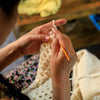
The Rise of Handmade Fashion in Modern Wardrobes

Quick Listen:
In an era dominated by fast fashion's relentless churn, a more deliberate movement is gaining momentum: the intentional selection of clothing that bears the unmistakable touch of human craftsmanship. From the bustling streets of Mumbai to the curated closets of Manhattan, London, Dubai, Singapore, and Sydney, shoppers increasingly favor garments shaped by skilled artisans woven, embroidered, or block-printed with techniques passed down through generations. This shift transcends mere aesthetics; it reflects a growing commitment to authenticity, environmental responsibility, and personal expression in daily wear.
Fast fashion erodes cultural heritage, sidelining artisans and reducing traditions to trends. At IndieHaat, we champion India's craftspeople with handcrafted sarees, apparel, décor, and skincare rooted in authenticity. Each piece embodies skill and ethical care. Support artisans and preserve India's timeless legacy Shop Now!
The Rise of Handmade Fashion in Modern Wardrobes: How Craft-Led Apparel Is Reshaping Style Across India, the US, and Beyond
From India's vibrant artisan clusters to conscious consumers in the US, UK, Singapore, Australia, and the UAE, handmade fashion is redefining notions of value, identity, and sustainability.
The change is unmistakable. Buyers who once accepted the uniformity of mass production now prize subtle imperfections a gentle irregularity in the weave, a one-of-a-kind dye flourish, or a motif rich with cultural narrative. Curated platforms such as IndieHaat serve as essential connectors, sourcing directly from artisans and presenting their work to global audiences attuned to thoughtful design. Rooted in India's centuries-old traditions, these pieces adapt fluidly to contemporary wardrobes: a hand-embroidered kurta paired with tailored trousers in New York, or a block-printed stole accenting an outfit at a Melbourne event.
In India, government reports underscore the adaptation of handloom and embroidery traditions to digital channels, enabling artisans from clusters in Varanasi, Jaipur, and Kutch to reach international buyers. Recent data from the Export Promotion Council for Handicrafts (EPCH) and Ministry of Textiles indicate strong export momentum, with handicrafts showing cumulative growth of 17.5% across January–December 2026 in textile and apparel segments, highlighting resilience amid global challenges. Meanwhile, North America demonstrates robust demand: the handicrafts market stood at USD 361.0 Billion in 2024 and is projected to reach USD 768.0 Billion by 2033, growing at a CAGR of 8.7% from 2025-2033, fueled by preferences for handmade, sustainable, and eco-friendly items, as detailed in IMARC Group analysis.
Globally, the handicrafts sector reflects similar expansion. It reached USD 739.95 billion in 2024 and is expected to hit USD 983.12 billion by 2030 at a 4.9% CAGR, with Asia Pacific commanding a 34.81% share, according to Grand View Research. Consumers prioritize unique, culturally resonant products over mass-produced alternatives, favoring craftsmanship that aligns with ethical and low-impact values.
Emerging Trends Fueling the Movement
Conscious consumerism stands at the forefront. In India and the UK, studies from institutions like NIFT India and the University of the Arts London reveal growing support for artisan-made apparel that sustains rural communities and heritage skills. In the US and Australia, insights from MIT Sloan and the University of Melbourne tie handmade choices to sustainability priorities shoppers investing in pieces with reduced environmental footprints and equitable labor conditions.
Digital platforms accelerate discovery. Initiatives in India (via MeitY) and Singapore (National University of Singapore research) illustrate how direct-to-consumer and curated marketplaces broaden artisan access worldwide. In the UAE, observations from the Dubai Future Foundation highlight social commerce's role in elevating visibility for handmade items among diverse, affluent consumers a single post can transform a handwoven accessory into a sought-after essential.
Real-World Impact Across Regions
India's craft ecosystems exemplify the international expansion. EPCH documentation shows handloom sarees and embroidered garments moving from local looms to wardrobes in the US, UK, and UAE through e-commerce, each item carrying traceable provenance that appeals to connection-seeking buyers.
In the US and UK, academic work from Harvard Extension School and the University of Oxford positions handmade fashion as a marker of authenticity and ethical stance amid pervasive uniformity. Singapore, Australia, and the UAE integrate these garments into premium and boutique settings. Research from Singapore Management University, Monash University, and the Abu Dhabi Department of Culture and Tourism emphasizes how superior craftsmanship and narrative depth support elevated market placement.
Decorated apparel, often featuring embroidery a hallmark of handmade techniques further illustrates demand: the global market was valued at USD 28.98 billion in 2023, projected to reach USD 68.17 billion by 2030 at a 13.0% CAGR, with embroidery holding over 40% share, per Grand View Research.
Addressing the Core Challenges
Growth introduces complexities. In India and Australia, analyses from the Indian Institute of Management Ahmedabad and RMIT University highlight the difficulty of expanding output while preserving authenticity artisans risk losing the distinctive qualities that attract discerning customers when production scales rapidly.
Pricing remains sensitive in the US and UK. Consumer studies from the US Federal Reserve and UK Competition and Markets Authority show handmade items often compared unfavorably to lower-cost mass alternatives, challenging perceived value.
In the UAE and Singapore, maintaining uniform quality and clear certifications is vital for premium acceptance, as noted by the UAE Ministry of Industry and Singapore Standards Council buyers expect consistency alongside cultural allure.
Meaningful Opportunities Ahead
The benefits extend far beyond commerce. In India, NITI Aayog and the Ministry of Skill Development view handmade fashion as a catalyst for rural jobs, particularly in women-led initiatives. Across the US, UK, and Australia, findings from Stanford University, the London School of Economics, and the University of Sydney show that weaving artisan stories into branding fosters deeper trust and loyalty.
Singapore and the UAE exhibit keen interest in curated, heritage-rich collections, as Enterprise Singapore and the Dubai Chamber of Commerce report creating fertile ground for platforms delivering exclusive yet approachable selections.
A Lasting Transformation
For platforms like IndieHaat, this evolution represents convergence: bridging India's regional craftsmanship with ethical appeals in the US, UK, and Australia, and premium curation suited to cosmopolitan markets in Singapore and the UAE. By facilitating these connections, IndieHaat sustains traditional skills in contemporary contexts.
India's mastery of handmade techniques will likely remain central to this global shift, while consumers in the US, UK, and Australia increasingly link such pieces to true sustainability and individuality. Singapore and the UAE will continue driving premium exposure and equitable outcomes for artisans. In the end, the ascent of handmade fashion marks a profound realignment where garments honor the hands that crafted them, the heritage they embody, and the more intentional future they help build, garment by thoughtful garment.
Frequently Asked Questions
Why is handmade fashion becoming more popular in modern wardrobes?
Handmade fashion is gaining popularity because consumers increasingly value authenticity, sustainability, and personal expression over mass-produced uniformity. Shoppers across India, the US, UK, and beyond are drawn to unique garments featuring subtle imperfections and cultural narratives that reflect skilled artisan craftsmanship. This shift represents a commitment to ethical fashion with reduced environmental footprints and equitable labor practices.
How big is the global handmade and handicrafts market?
The global handicrafts market reached USD 739.95 billion in 2024 and is projected to grow to USD 983.12 billion by 2030, with a compound annual growth rate of 4.9%. North America's handicrafts market alone stood at USD 361.0 billion in 2024 and is expected to reach USD 768.0 billion by 2033, driven by increasing demand for sustainable, eco-friendly, and culturally resonant handmade products.
What are the main challenges facing handmade fashion as it scales globally?
The primary challenges include maintaining authenticity while expanding production capacity, as rapid scaling can diminish the distinctive qualities that attract discerning customers. Pricing sensitivity also poses difficulties, with handmade items often perceived as expensive compared to mass-produced alternatives. Additionally, ensuring consistent quality and clear certifications remains crucial, especially in premium markets like the UAE and Singapore where buyers expect both craftsmanship and reliability.
Disclaimer: The above helpful resources content contains personal opinions and experiences. The information provided is for general knowledge and does not constitute professional advice.
You may also be interested in: The Role of Design Innovation in Modernizing Traditional Indian
Fast fashion erodes cultural heritage, sidelining artisans and reducing traditions to trends. At IndieHaat, we champion India's craftspeople with handcrafted sarees, apparel, décor, and skincare rooted in authenticity. Each piece embodies skill and ethical care. Support artisans and preserve India's timeless legacy Shop Now!
Powered by flareAI.co